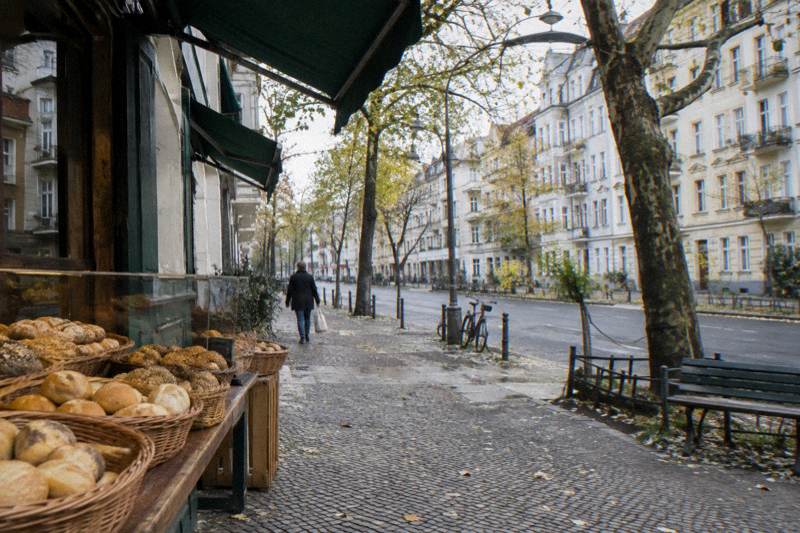
Berliner Pfannkuchen And Berlin Bakeries: Pastries To Know
The Pfannkuchen naming quirk, what fills a Berlin pastry case, Sunday opening rules, and how to plan a day of bakery stops around the city's market and food walk schedules.
Short answer
A Berliner Pfannkuchen is a deep-fried, yeast-risen donut filled with jam, and in Berlin it is simply called Pfannkuchen, while everywhere else in Germany the same word means a pancake. Bakeries sell them fresh daily, especially around New Year, and Sunday bakery hours run 07:00 to 16:00 under Berlin shop rules.
Ask for a Berliner in a Berlin bakery and you may get a polite correction. The city that gave the pastry its name is the one place that refuses to use it. Here the jam-filled, sugar-dusted donut is a Pfannkuchen, which everywhere else in the German-speaking world means a pancake, and the round dessert the rest of the country calls a Berliner or Krapfen is sold under the plain word for pancake. It is the single most disorienting thing about ordering breakfast in this city, and it is a good place to start understanding how Berlin bakeries work. Once you have that bit of naming sorted, our guide to the foods Berlin does best covers everything else worth ordering, from currywurst to Berliner Weisse.
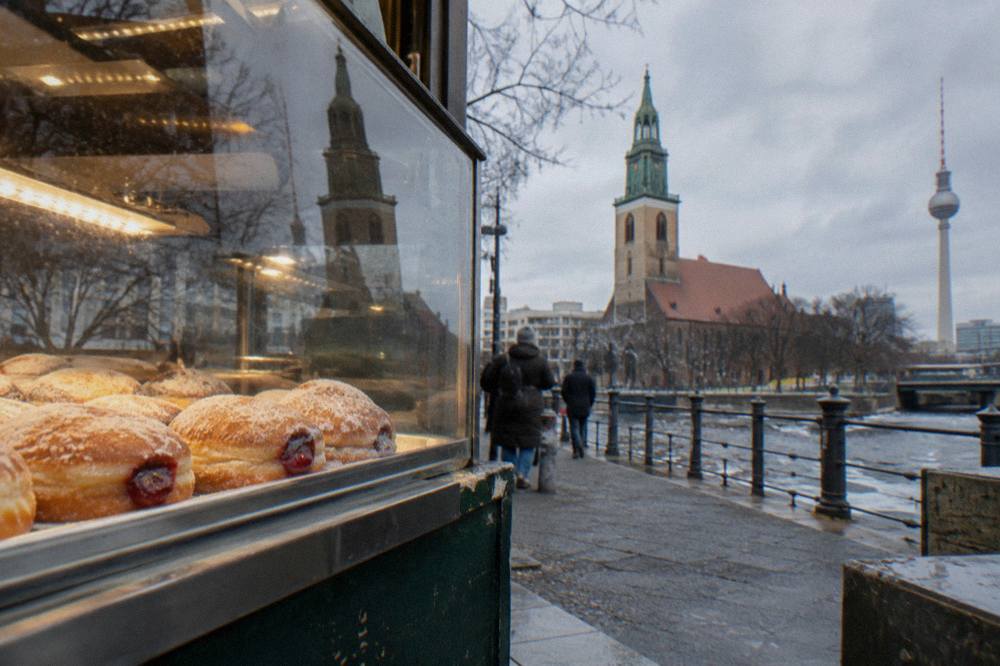
This guide covers the naming quirk, the pastries you will actually find behind the glass, the difference between chain bakeries and independents, and the Sunday opening rules that shape any bakery-hopping plan. It ends with the guided walks that pair well with a morning of pastry stops, including one featured street food walk that starts from the same logic: eat where the city eats. And when you're ready to move from sweet to savory, our guide to what Germans eat with currywurst covers the classic pairings you will meet on that same street food walk.
What Is A Berliner Pfannkuchen?
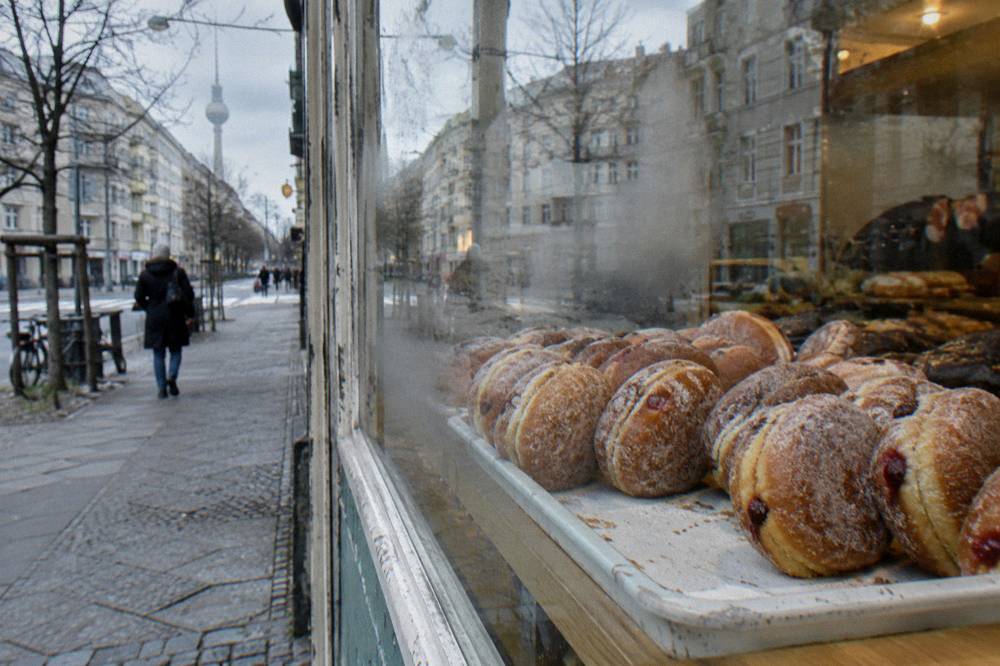
A Berliner Pfannkuchen is a deep-fried ball of sweet yeast dough, filled traditionally with raspberry or strawberry jam, dusted with sugar, and eaten by hand. In Berlin the pastry is ordered as a Pfannkuchen, and the word Berliner is largely reserved for the city's residents, a usage that reliably confuses visitors and amuses locals. The dough rises twice, gets fried in hot fat until golden, and is injected with jam through a small opening in the side. The classic filling is red berry jam, though plum jam, vanilla custard, chocolate and eggnog versions are common in the weeks around New Year.
The pastry belongs to a German family of fried doughs that goes by different names in different regions. In Munich and much of southern Germany it is a Krapfen. In Berlin and the surrounding east, it is a Pfannkuchen, full stop. All of them are essentially the same object, and all of them peak in the carnival and New Year period, when German bakeries fry them in industrial quantities. If those regional rivalries over a single pastry make you wonder where German eating is strongest overall, our guide to which German city eats best takes the argument from bakery counters to the whole table.
The New Year connection deserves a note. Silvester, the 31st of December, is the Pfannkuchen's biggest moment in Berlin. Bakeries fill them to order, offices order them by the tray, and a common bit of office mischief is one donut injected with mustard instead of jam hidden in the box. It is a real custom, reported widely and affectionately, though no bakery will confirm doing it on purpose for tourists. Order in the last week of December and you take your chances like everyone else.
Quality varies more than visitors expect. A fresh Pfannkuchen should be light, barely greasy, with a thin jam layer rather than a flooded pocket. Stale ones sit heavy and shine with fat. The safest rule in Berlin is the same one that applies to bread in this city: buy from a bakery that fries on site or sells out daily, and be suspicious of anything stacked high at midday.
Why Does The Same Word Mean Pancake Elsewhere?
The word Pfannkuchen literally translates as pan cake, and in most of Germany it names a flat pancake cooked in a pan. Berlin's local dialect usage shifted over time so that the word attached to the fried jam donut instead, a regional quirk that stuck while the rest of the country standardized on Berliner for the pastry and Pfannkuchen for the pancake. The result is a genuine two-way trap. A Berliner ordering a Pfannkuchen in Munich receives a pancake, and a Munich visitor ordering a Berliner in Berlin may be gently told that they are standing in one.
The split comes down to older usage, where Pfannkuchen could describe anything cake-like cooked in fat, and the fried donut qualified. As the modern pancake meaning took hold nationally, Berlin and Brandenburg kept the older sense for the donut. There was never a formal decision, no decree, just local habit hardening into dialect. Berlin has several of these divergences, the word Broetchen for a bread roll being another, where the eastern usage differs from the western and southern standard.
For a visitor the practical fix is simple. Point at the glass case and say "einen mit Marmelade, bitte", one with jam, and no vocabulary debate can touch you. Bakeries in tourist-heavy Mitte and around Alexanderplatz are used to the confusion and most counter staff switch between the two names without blinking. Away from the center, in Neukölln or Wedding, the local word is used without adjustment, and menus rarely carry the southern alternatives.
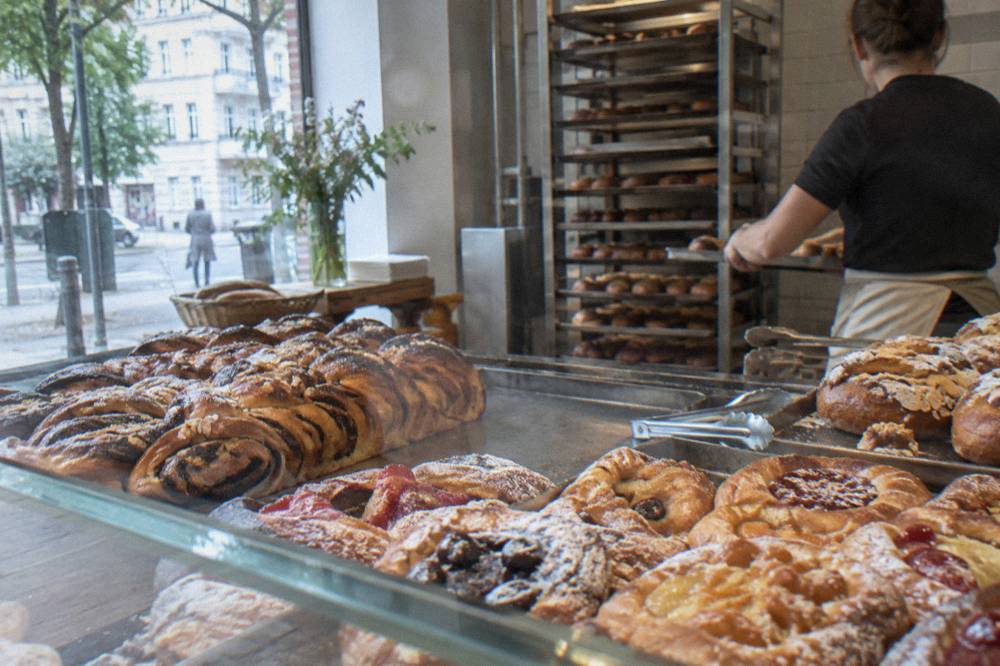
The naming story is worth knowing for another reason: it tells you which bakeries are used to visitors. Shops in tourist-heavy areas tend to list both names, while elsewhere the local word stands alone. Reading the case tells you as much about the neighborhood as about the pastry.
For a broader picture of what the city eats, the traditional Berlin dishes and staples guide covers the full plate, and the Berlin breakfast culture explained guide explains what a Berlin morning table looks like beyond the donut case. If the pastry trail has you planning wider, Berlin Food Tours keeps a full set of neighborhood and themed walks.
Which Pastries Should You Know In A Berlin Bakery?
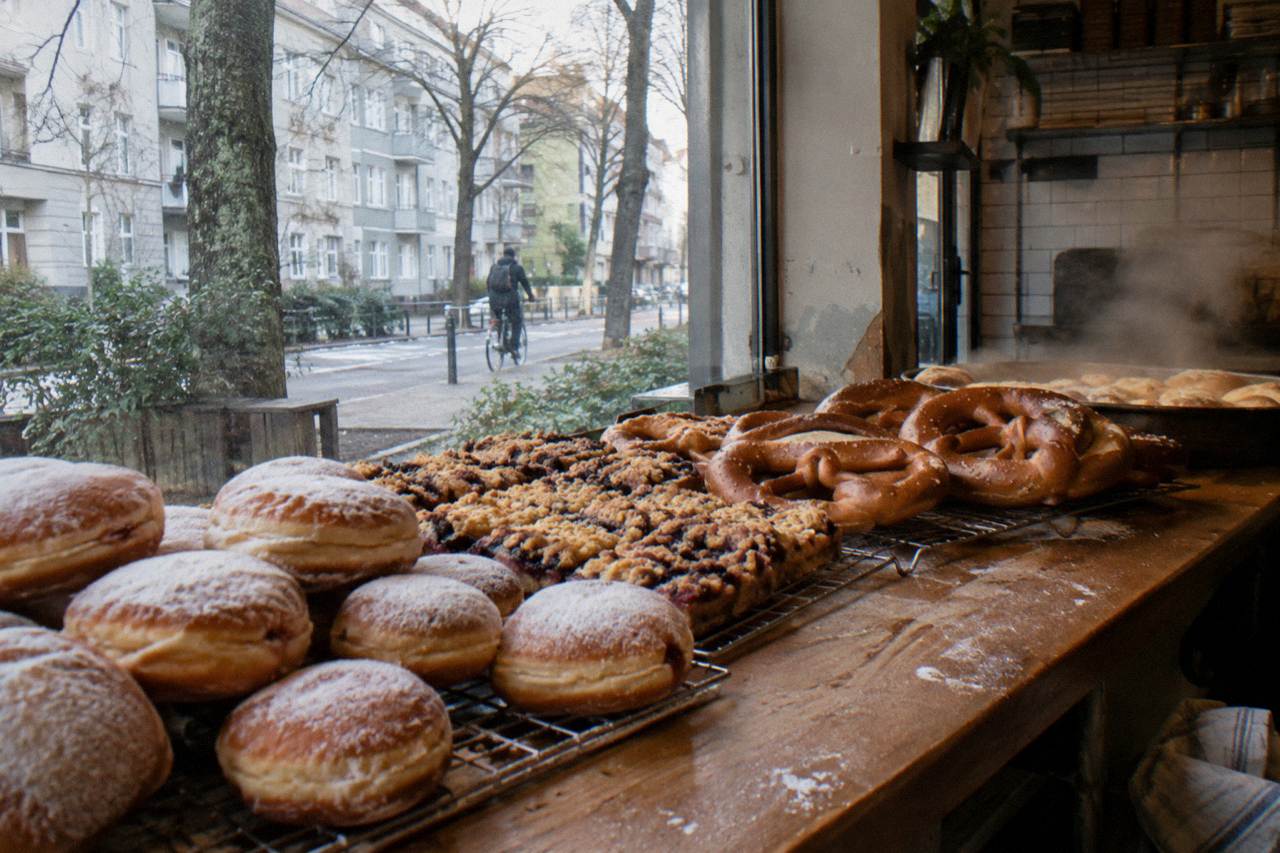
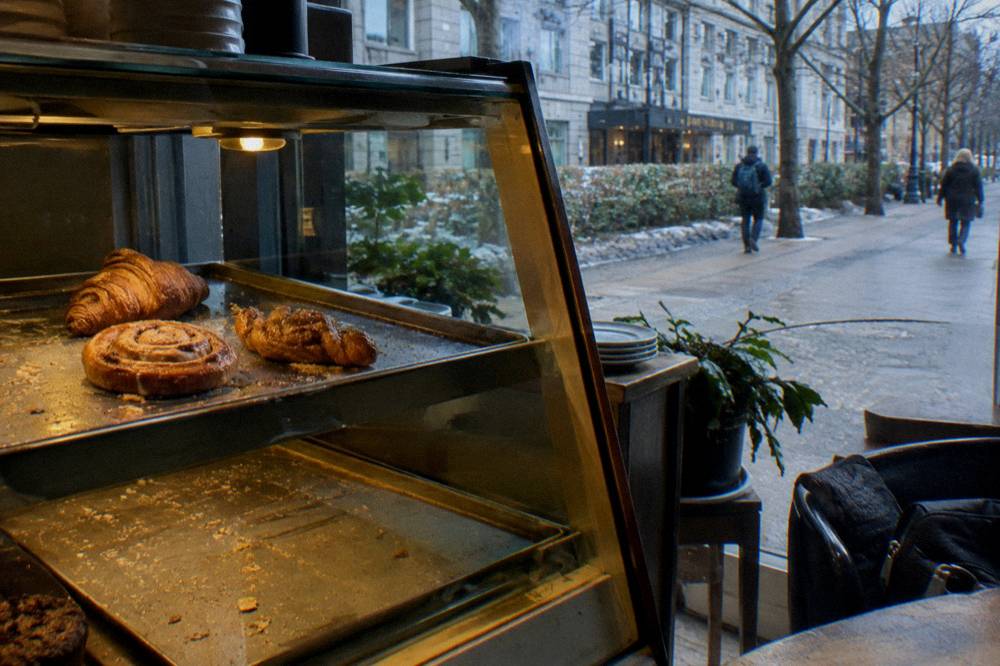
A Berlin bakery case holds a recognizable core lineup: the Pfannkuchen, the Streuselkuchen crumb cake, the Plunder Danish-style square, the Franzbroetchen cinnamon twist, and the Quarkkeulchen, a fried sweet made with curd cheese. Knowing these five names covers most of what is behind the glass year round. Prices vary from shop to shop, so check the board at the counter.
The Streuselkuchen is the everyday workhorse, a yeasted sheet cake under a blanket of butter-sugar crumbs, sold by the slice and eaten mid-morning with coffee. The Plunder is laminated dough, the local answer to the Danish, usually filled with pudding or jam and glazed. The Franzbroetchen is a Hamburg import that has spread across Berlin in recent decades, a flat, flaky, cinnamon-sugar roll that has become the default grab-and-go item in many shops. It arrives warm in the better bakeries and is at its best in the first hour out of the oven.
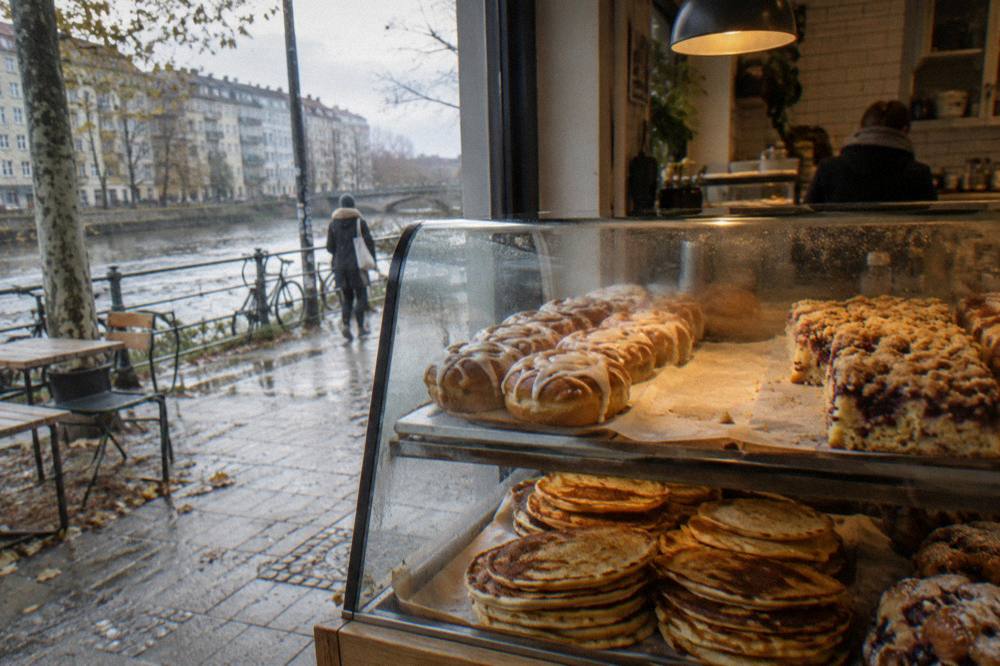
The Quarkkeulchen is the east German specialty worth hunting. It is a thick, pan-fried patty of quark, potato or semolina, egg and sugar, served dusted or with applesauce, and it sits somewhere between a pancake and a fritter. You find it more in Neukölln, Friedrichshain and Prenzlauer Berg independents than in the chains, and its presence on a board is a fair signal that the bakery bakes regionally rather than from a central warehouse recipe. The Prenzlauer Berg bakeries and markets guide on this site maps the neighborhood where it is easiest to find.
| Pastry | What It Is | When To Buy It |
|---|---|---|
| Pfannkuchen | Fried yeast donut, jam filling, sugar dusting | Peak season around New Year, sold year round |
| Streuselkuchen | Yeasted sheet cake with butter-sugar crumbs | Morning, by the slice |
| Plunder | Laminated dough square, pudding or jam filling | Morning, best fresh |
| Franzbroetchen | Flat flaky cinnamon-sugar twist | First hours after baking, often warm |
| Quarkkeulchen | Fried quark and potato patty with applesauce | Autumn and winter, independents |
Seasonal rotation matters in German bakeries more than in many countries. December brings glacierte Früchte, sugared candied fruit, and heavier spiced items. Spring brings the first rhubarb cakes. Late summer is plum season, and Zwetschgenkuchen, plum sheet cake, appears everywhere for about six weeks and then vanishes. Asking what is seasonal gets you better pastry than asking what is good, because the seasonal answer is whatever the bakery is baking with conviction that week.
Chain Or Independent: Where Do Berliners Buy Their Pastries?
Berlin splits its bakery trade between large chains with dozens of outlets, mid-size Berlin bakers with a handful of shops, and small independents baking on site. Chains win on ubiquity and Sunday and station hours, independents win on freshness, regional recipes like the Quarkkeulchen, and price flexibility, and the locals' real habit is a mix of both depending on the day. Neither category is uniformly better, and knowing which you are standing in tells you what to order.
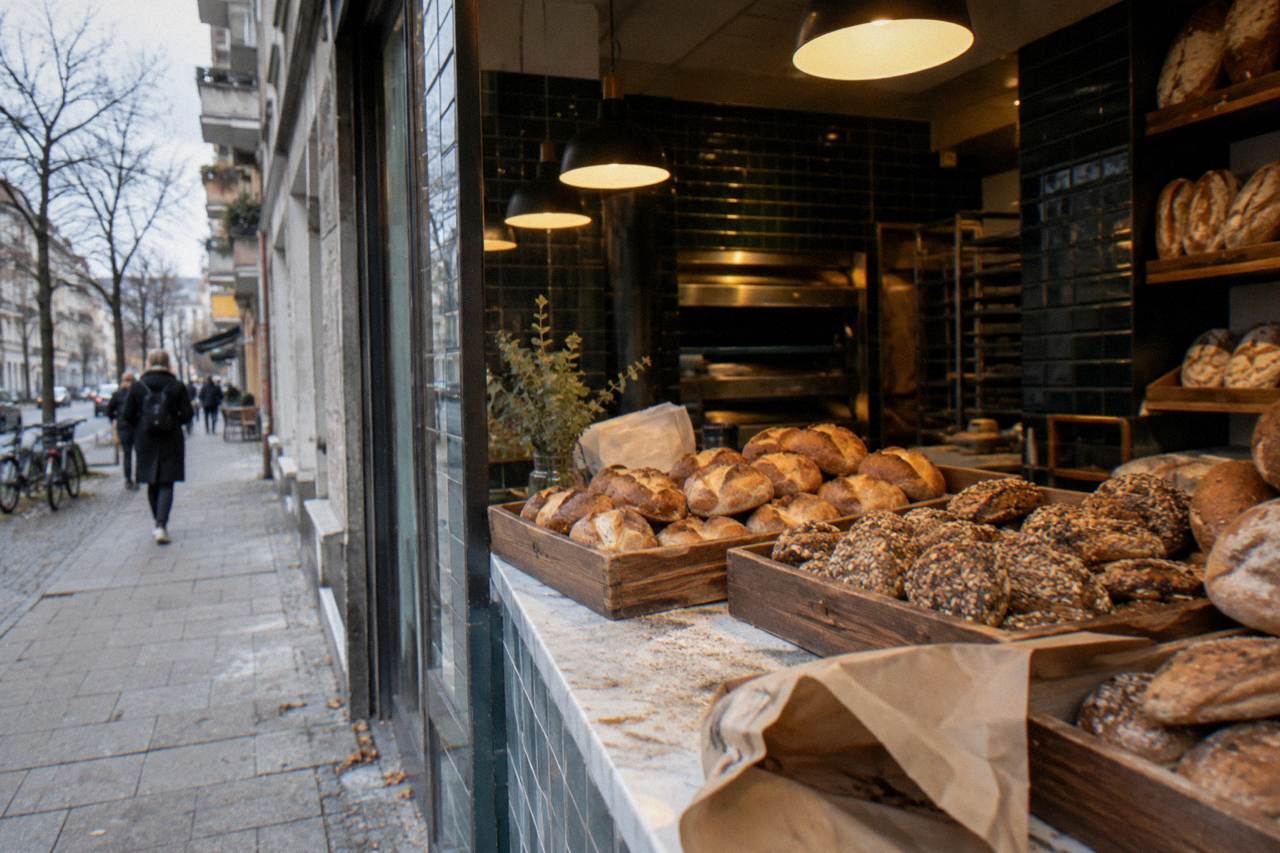
The chains bake centrally or par-bake and finish in store, which keeps the case full all day and the product consistent, and their presence in train stations makes them the default for a pastry grabbed before a morning tour. Their weakness is exactly the consistency: a Franzbroetchen from a chain outlet at 15:00 is a different, sadder object than one at 08:00. The independents fry and bake in smaller batches, sell out, and close early when they do, which rewards the early visitor and punishes the afternoon one.
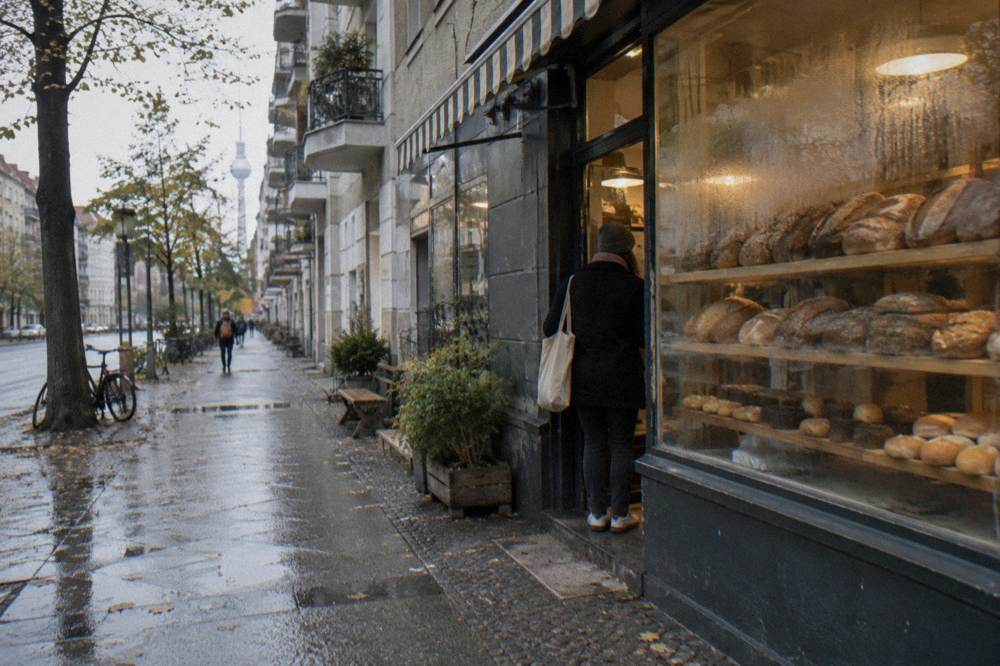
A practical split for a pastry day: chains in stations and on big squares for the first stop of the morning, independents in the side streets of Prenzlauer Berg, Kreuzberg and Neukölln for the mid-morning stop worth walking to. The coffee side of the equation is covered in the specialty roasters and cafe culture guide on this site, which maps where the bakery standard and the espresso standard meet in the same room, an intersection that is rarer in Berlin than visitors assume.
When Are Berlin Bakeries Open On Sundays?
Sunday shop rules in Berlin come from the Berliner Ladenöffnungsgesetz: general shops stay closed, but bakeries and confectioners may sell from 07:00 to 16:00, tourist-need shops may open 13:00 to 20:00, and station shops are exempt and run normal hours. For a Sunday pastry plan this means the morning bakery window is wide open and the supermarket next door is not. The rules are set out by the Berlin economy ministry on its shop opening hours page.
The practical consequences are worth spelling out. A Sunday Pfannkuchen run before 16:00 is easy, and the better independents will have sold most of the case by early afternoon. After 16:00 the Sunday options narrow to station shops, cafes and the tourist-need outlets that may sell food and drink for immediate consumption until 20:00, which is why the station bakery is a Berlin institution rather than a compromise. The city also allows a small number of open Sundays per year across the whole city, up to eight, when shops may open 13:00 to 20:00, and those dates vary by district and year.
Public holidays follow the same logic as Sundays, and December is dense with them: Christmas Day, Boxing Day and New Year's Day all close the general shops, which matters if your pastry plan doubles as a breakfast plan on those dates. The Pfannkuchen peak around Silvester collides with this, so the last days of December are a race between bakery demand and closing rules.
How Do Market Days Fit Into A Pastry Plan?
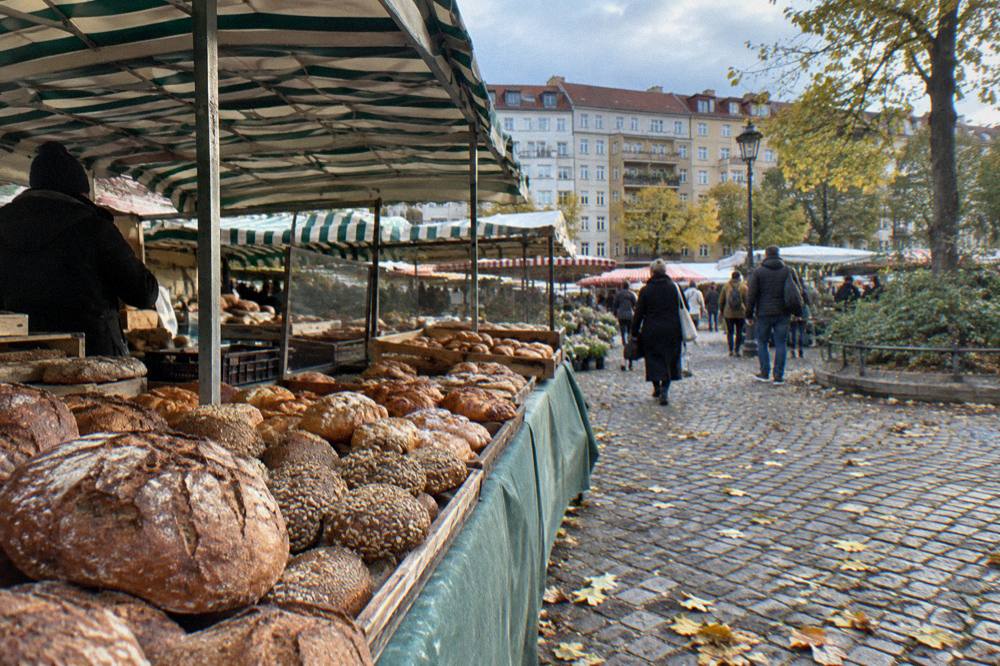
Berlin's weekly markets give a pastry day a second engine: the Türkenmarkt at Maybachufer runs Tuesday and Friday 11:00 to 18:30, the Winterfeldtmarkt runs Wednesday morning and Saturday until 16:00, and Street Food Thursday at Markthalle Neun runs Thursday 17:00 to 22:00, with listed November dates of the 5th, 19th and 26th. Aligning a bakery morning with the right market day turns one street of stops into a full route.
The Markthalle Neun schedule is published on the hall's Street Food Thursday page, and the Winterfeldtplatz market hours are listed by the official tourist board on its Winterfeldtmarkt page. Note the one gap in the November list: the 12th is not listed as a Street Food Thursday date, so a mid-month Thursday plan should check the hall's page before committing the evening.
Getting between bakery neighborhoods is cheap. A single BVG ticket for the AB zone costs 4,00 EUR and is valid for 120 minutes, per the BVG's single-ticket price table, and the AB single price holds at 4,00 EUR into 2027 even as other VBB fares rise. If the pastry day becomes a pastry week, the Deutschlandticket at 63 EUR per month, rising to 66,80 EUR from January 2027, covers regional transport across the city.
| Market | Day And Hours | Best For |
|---|---|---|
| Türkenmarkt, Maybachufer | Tuesday and Friday 11:00 to 18:30 | Turkish flatbreads and savory pastry |
| Winterfeldtmarkt, Winterfeldtplatz | Wednesday morning, Saturday until 16:00 | Cake stands and Saturday breakfast shopping |
| Street Food Thursday, Markthalle Neun | Thursday 17:00 to 22:00 | Evening street food after a bakery day |
The Maybachufer and Kreuzberg side of this plan is mapped in detail in the Kreuzberg doner and market walk guide on this site, which covers the savory end of the same streets.
Which Food Walks Pair Well With Bakery Stops?
The natural pairing is a morning of independent bakeries followed by a guided afternoon walk, and three options fit: a street food walk through the city's snacking neighborhoods from $75 per person, a Markthalle Neun guided food tour with craft beer from $97 per person, and a Mitte district food tour with seven tastings from $90.01 per person, rated 4.9 across 1,583 reviews. Each covers a different angle, and the choice comes down to which neighborhood your bakery morning already touched.
The Berlin Guided Street Food Tour with Tastings, the featured walk for this page, runs about 3 hours, is rated 4.8 across 403 reviews, and costs from $75 per person. It suits a pastry day well because it starts where independent baking ends and street snacking begins, and its cancellation terms allow changes if the bakery morning runs long. The booking page carries the current schedule and meeting point.
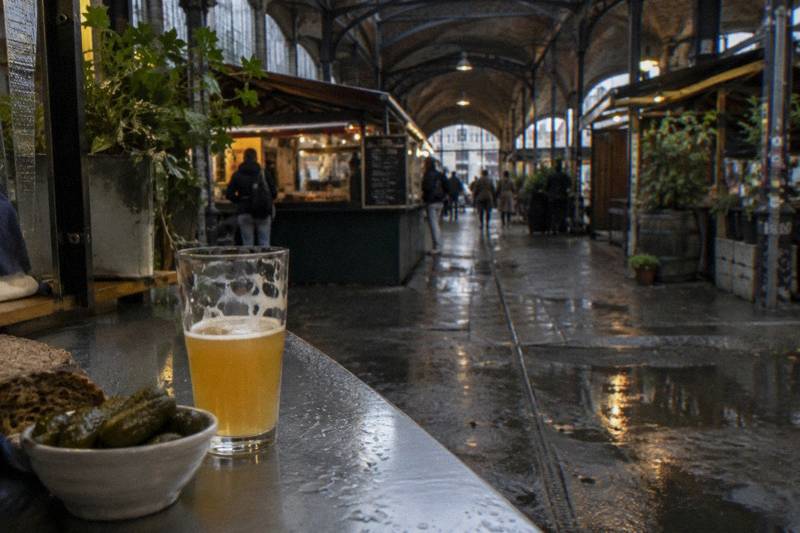
The Markthalle Neun Guided Food Tour with Craft Beer runs about 2.5 hours and costs from $97 per person. It has no review score to print yet, too few guests have rated it, so judge it on its route rather than a star figure. It is the obvious pick for a Thursday, since it pairs with Street Food Thursday, though the hall's evening event and the tour are separate things and the tour's own dates are on the booking page.
The Mitte District Food Tour with 7 Authentic Local Tastings is the most reviewed option on this site, 4.9 across 1,583 reviews, about 3 hours, from $90.01 per person. It works as the centerpiece of a full day: bakery morning in Prenzlauer Berg or Kreuzberg, train into Mitte, walk and tastings through the afternoon. For help choosing between formats generally, the which Berlin food walk to book guide compares all of them side by side.
| Tour | Duration | Rating And Reviews | Price Basis |
|---|---|---|---|
| No Diet Club Street Food Walk | About 3 hours | 4.8 across 403 reviews | From $75 per person |
| Markthalle Neun, Craft Beer | About 2.5 hours | No review score yet | From $97 per person |
| Mitte District Food Tour, 7 Tastings | About 3 hours | 4.9 across 1,583 reviews | From $90.01 per person |
Common Questions About Berliner Pfannkuchen And Bakeries
What Is A Berliner Pfannkuchen?
A deep-fried sweet yeast donut filled with jam, usually raspberry or strawberry, and dusted with sugar. In Berlin it is ordered as a Pfannkuchen; elsewhere in Germany that word means a pancake and the donut is called a Berliner or Krapfen.
Why Do Berliners Call It Pfannkuchen?
The word literally means pan cake, and Berlin's local usage kept an older, broader sense of cake cooked in fat attached to the fried donut, while the rest of Germany standardized the word for the flat pancake. It is a dialect quirk, not a formal rule.
Are Berlin Bakeries Open On Sundays?
Yes, with limits. Bakeries and confectioners may sell on Sundays from 07:00 to 16:00 under Berlin's shop opening law, tourist-need shops may open 13:00 to 20:00, and station shops run normal hours. General supermarkets are closed on Sundays except at stations.
When Is Pfannkuchen Season In Berlin?
The pastry is sold year round, but the peak is the period around Silvester, New Year's Eve, when bakeries fry them in large quantities and the tradition of hiding one mustard-filled donut in a box circulates in offices.
Which Pastries Should I Try In A Berlin Bakery Besides The Pfannkuchen?
Look for the Streuselkuchen crumb cake, the Plunder, the Franzbroetchen cinnamon twist, and the Quarkkeulchen, a fried quark patty that is the strongest marker of an east German, independent bakery.