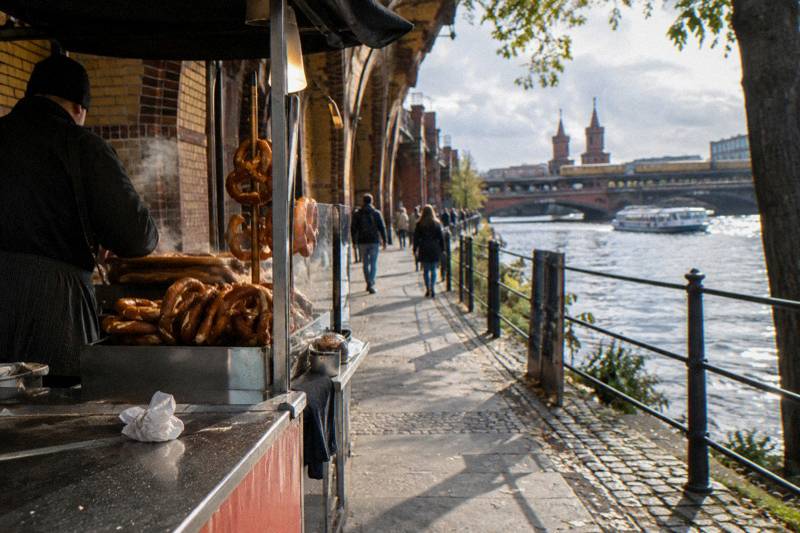
Berlin Coffee Shops: Specialty Roasters And Cafe Culture
Berlin's cafe culture runs from old-school Konditoreien to third-wave roaster bars, and the best way to taste it is district by district.
Short answer
Berlin coffee shops cluster in Mitte, Kreuzberg, Neukölln and Prenzlauer Berg, with specialty roasters concentrated in Kreuzberg and Neukölln. The Berlin Craft Beer & Cultural Tour With Snack runs from $125.14. Plan cafe mornings around Sunday shop rules, which close most bakeries by 16:00.
Berlin drinks coffee the way it drinks beer: seriously, locally, and with strong opinions about the right way to do it. The city that gave the world the filter-coffee-and-cigarette Kneipe breakfast now also runs a dense specialty scene, with roaster bars where a flat white comes with tasting notes. This guide walks through where that scene lives, which districts reward a cafe crawl, how cafe etiquette here differs from elsewhere, and how a coffee morning can pair with a guided food or beer walk in the same day.
What Makes Berlin Coffee Shops Different?
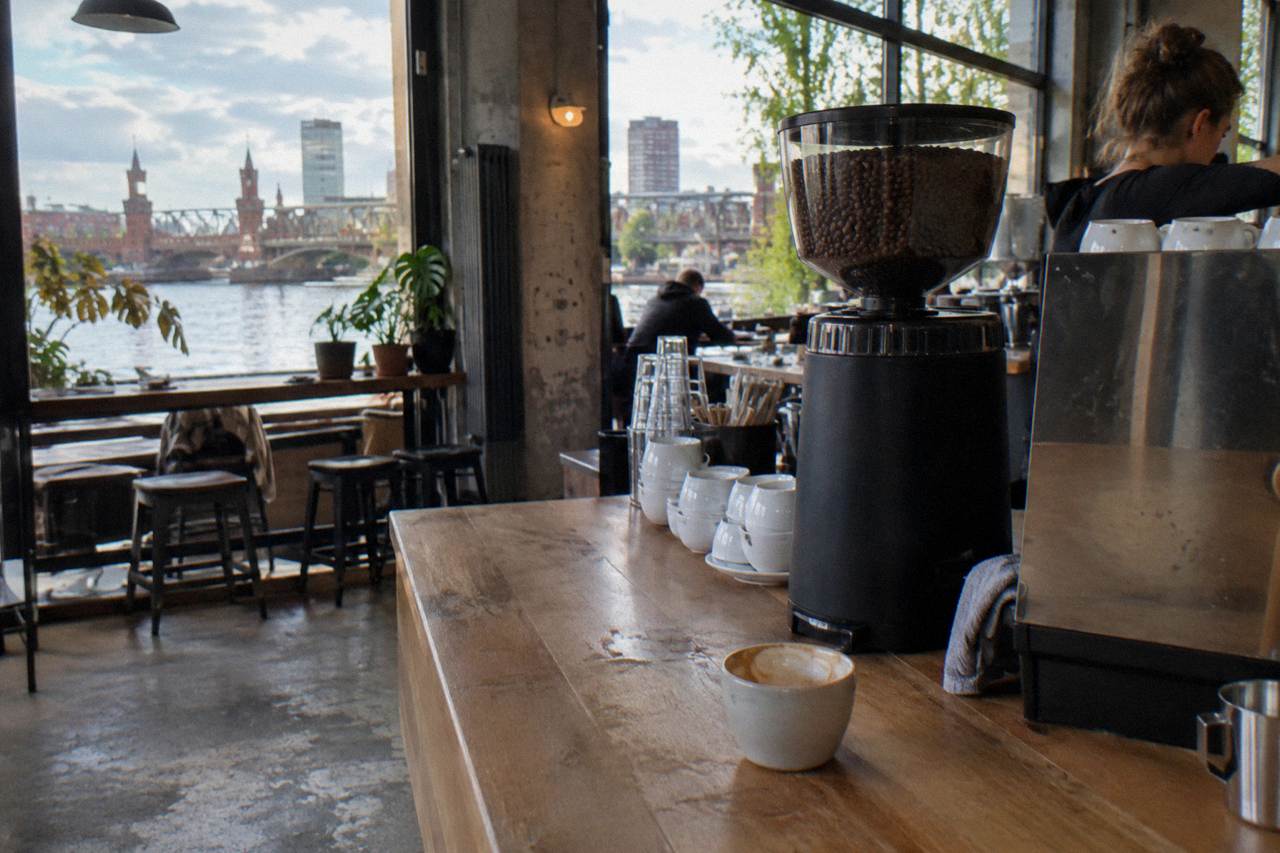
Berlin coffee shops split into two distinct cultures that rarely overlap: the traditional cafe, which serves cake, breakfast plates and filtered coffee to guests who stay for an hour, and the specialty roaster bar, which treats espresso as a craft product with named origins and roast dates. Most neighborhoods now hold both, often on the same block, so the choice between them is a real decision rather than a compromise.
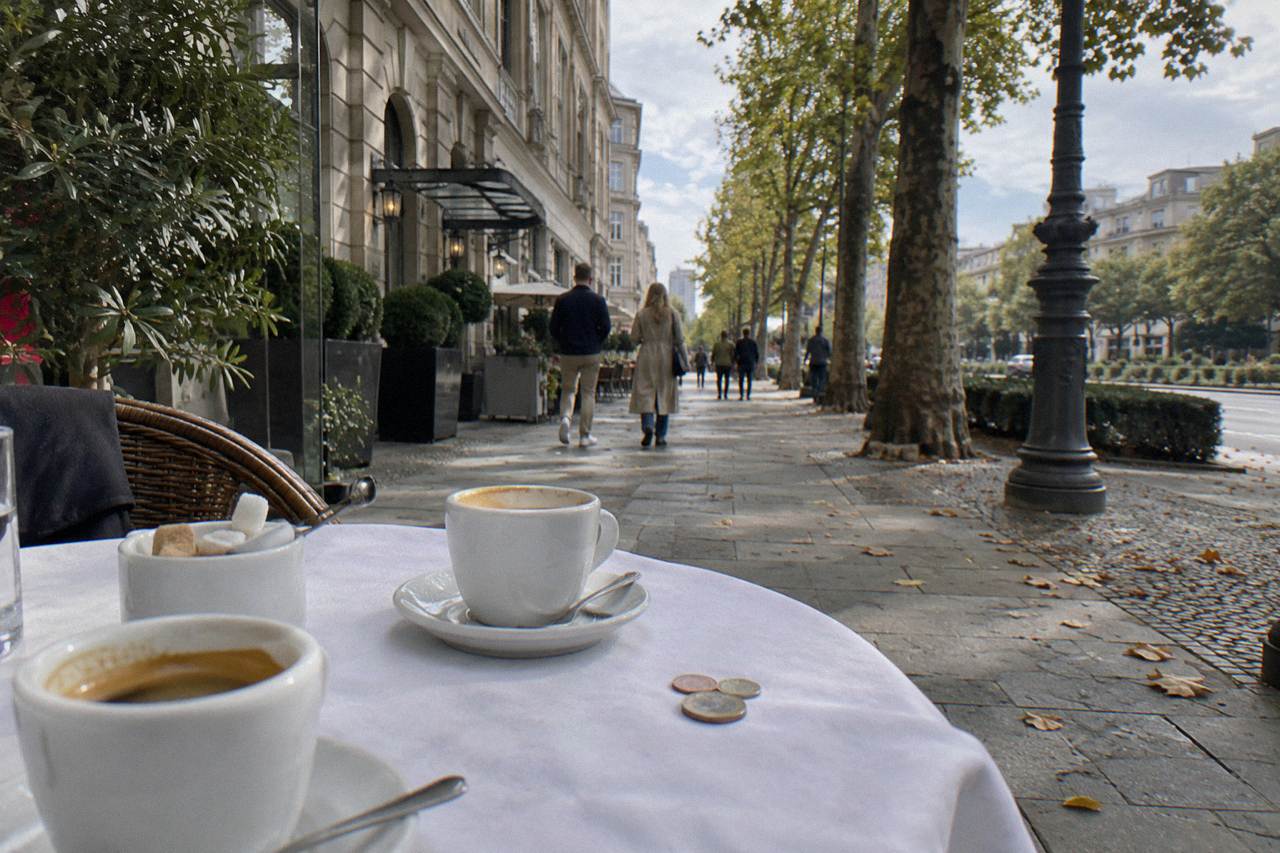
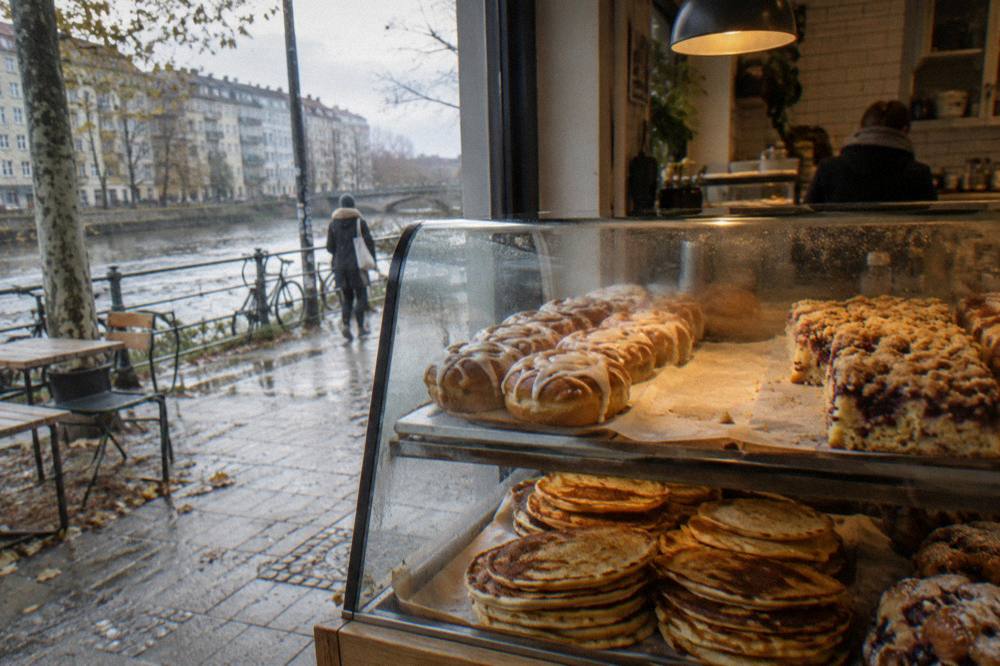
The traditional side is older and easy to spot. A Konditorei or cafe of the old school sells Berliner Pfannkuchen, sheet cake by the slice, and coffee served in cups on small trays, sometimes with a glass of sparkling water alongside. These places open early and fill with regulars reading newspapers. Nobody hurries you out. That unhurried pace is the single biggest cultural difference visitors notice, and it survives even as rents push many old cafes out of the central districts.
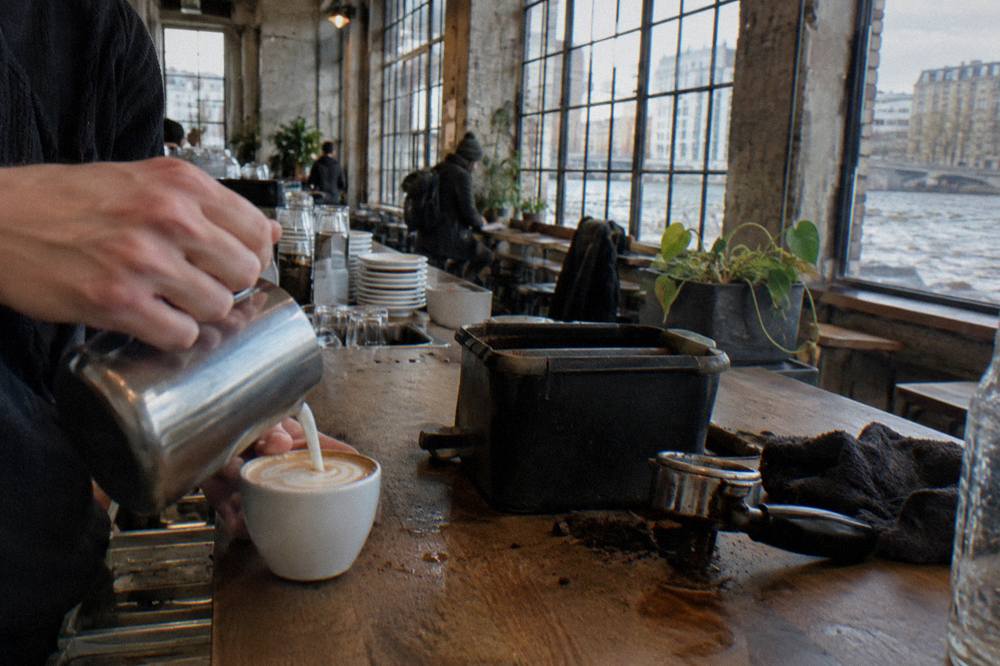
The specialty side arrived later and grew fast. Roasting happens in the city rather than only importing, and the barista culture borrows from Melbourne, Oslo and Portland as much as from Italy. What marks Berlin's version is the contrast: a meticulously poured filter coffee can be served in a graffitied courtyard in Neukölln, next to a Späti selling beer. The scene's mix of low rents (historically) and international arrivals made it one of Europe's densest specialty coffee cities within roughly two decades.
Neither culture is "the real one." A good Berlin coffee day can hold an early espresso standing at a roaster bar and a late-afternoon slice of cake in a chandelier-lit traditional cafe. The two scenes even keep different hours, which matters for planning, as covered in the Sunday section below.
Where Did Berlin's Specialty Coffee Scene Come From?
Berlin's specialty coffee scene grew out of a small first generation of roasters and espresso bars that opened in Kreuzberg and Mitte, and expanded into a citywide network of roasteries, cupping labs and training academies. The scene's growth tracked the districts where rents were cheapest, which is why Neukölln and Kreuzberg still hold the densest cluster of roaster bars.
The early wave took its cues from Scandinavian and Australian coffee rather than from Italy's espresso tradition. That legacy shows up on menus today: batch brew and pour-over filters share space with flat whites, and beans are labeled by farm, variety and process rather than by blend name. Roasters that established themselves in that first wave, including The Barn, Five Elephant, Bonanza and Companion, continue to appear in 2026 guides without recent closure announcements, though the scene is not static. Berliner Kurier reported in November 2026 that 19grams is closing its oldest Friedrichshain location on Boxhagener Strasse at the end of 2026, citing rising rents and gentrification pressure, after an earlier closure in Neukölln.
That closure pattern is worth understanding before you plan a crawl. The districts that built the scene are the same districts now absorbing rent increases, so individual cafe locations shift more often than the scene itself. A roaster typically keeps its flagship and moves or closes satellite cafes; the roastery, and its beans in shops across the city, persist. Check a roaster's own site before walking to a specific address, since a two-year-old listicle may point at a shuttered room.
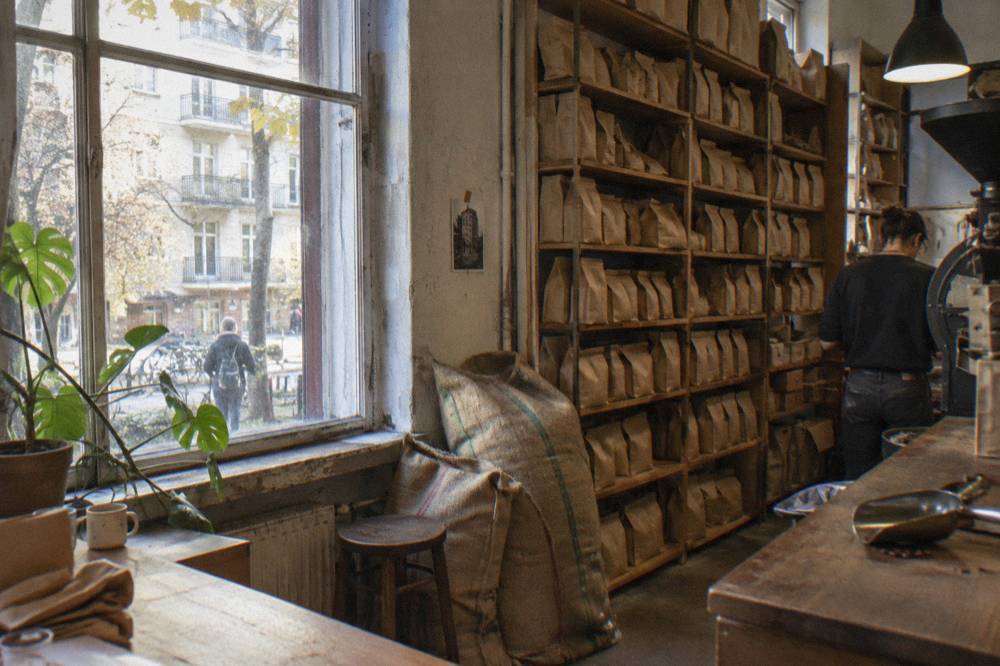
For visitors the practical takeaway is simple: chase roasters, not addresses. The city's beans travel, and many cafes that never roast anything serve excellent coffee from the established roasteries. Meanwhile, if your interest is Berlin's drinking culture more broadly, the guided options below pair a coffee morning with an evening of the city's other famous brewed beverage.
Coffee and beer may seem like odd companions on one page, but in Berlin they share geography. The craft breweries and the specialty roasters opened in the same districts, often on the same streets, and many visitors plan a cafe morning followed by a brewery afternoon.
Which Berlin Districts Have The Best Coffee Shops?
Mitte holds the largest concentration of cafes within walking distance of main sights, Kreuzberg and Neukölln hold the specialty roasters and the scene's edge, Prenzlauer Berg holds the brunch-and-bakery culture, and Charlottenburg holds classic grand cafes along the Ku'damm. Choosing a district is therefore choosing a coffee style: sightseeing convenience, third-wave intensity, family brunch, or old Berlin tradition.
Mitte is the default for most first-time visitors, and it delivers. Around Rosenthaler Platz, Hackescher Markt and Auguststrasse you can walk between espresso bars, bakeries and brunch rooms in minutes, many of them a short detour from Museum Island. The trade-off is price and crowds: Mitte cafes fill with tourists by late morning, and the specialty options here lean polished rather than rough.
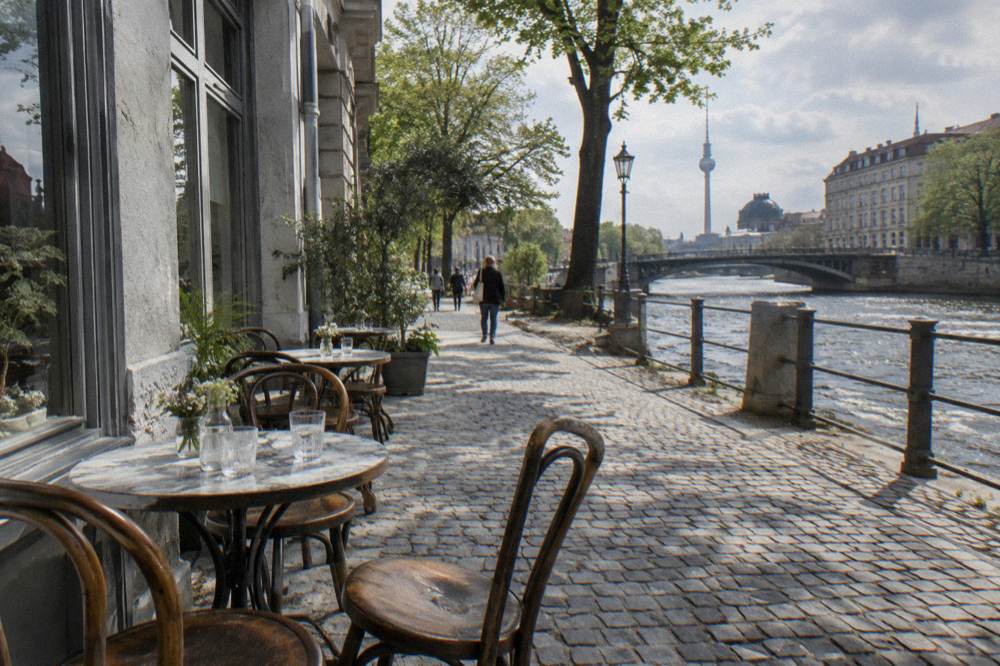
Kreuzberg and Neukölln are where the roasteries actually are. Around Bergmannstrasse, Oranienstrasse, Weserstrasse and Hermannplatz, cafe density is high and the scene is local rather than tourist-facing. The Kreuzberg-Neukölln border also holds the Turkish market at Maybachufer, which runs Tuesday and Friday 11:00 to 18:30 according to local reporting, and which combines a coffee or market snack morning with the neighborhood's cafe culture; the Kreuzberg food walk guide covers that circuit in detail. Neukölln's scene runs later and rougher, and pairs naturally with the Neukölln food walk from Maybachufer to Karl-Marx-Strasse if you want the full neighborhood rather than only the caffeine.
Prenzlauer Berg is the brunch district. Around Kollwitzplatz and Helmholzplatz, cafes open early and strollers outnumber laptops on weekends. Bakeries here are the draw as much as espresso, and the page on Berlin bakeries and pastries to know explains the Pfannkuchen and sheet-cake side of the culture. Charlottenburg, finally, is the classic option: grand cafes with chandeliers, waiters in bow ties, and a slower, older Berlin, with new openings still arriving around the Ku'damm; Berliner Zeitung counted five new restaurants and cafes there since September 2026, with another slated for November.
| District | Coffee style | Best for | Watch out for |
|---|---|---|---|
| Mitte | Polished specialty plus classic cafes | Sightseeing detours | Tourist crowds by late morning |
| Kreuzberg | Roaster bars, Turkish cafes, edge | Third-wave purists | Gentrification churn moves cafes |
| Neukölln | Youngest roaster scene, late hours | Long lazy mornings | Fewer classic cafes |
| Prenzlauer Berg | Brunch rooms and bakeries | Weekend breakfast | Very busy Sundays |
| Charlottenburg | Grand cafes, Ku'damm newcomers | Old Berlin tradition | Quieter, fewer roasters |
Do The Guided Walks Pass Good Cafes?
Yes, most Berlin food walks route through the same districts where the coffee scene lives, so a guided morning or afternoon naturally passes roaster bars and classic cafes. Food walks in Mitte, Kreuzberg and Neukölln each traverse cafe-dense streets.
This is the quiet argument for combining the two. A tour handles the eating; the coffee stops fill the gaps before or after. The Berlin: Downtown Food Tour with 8 Authentic Local Tastings, about 3 hours and rated 4.9 across 407 reviews from $115, moves through central cafe territory. For the eastern districts, the Food tasting tour in Berlin of HIDDEN GEMS, about 3 hours and rated 4.6 across 80 reviews from $120.54, covers Mitte, moving between Hackescher Markt, Torstrasse and the Rosenthaler Strasse side streets. Meeting points for each walk are stated on the booking page, so check where yours starts before choosing a nearby cafe for a pre-tour espresso.
| Guided walk | Duration | Rating and reviews | From (per person) | District fit |
|---|---|---|---|---|
| Downtown Walk, 8 Tastings | ~3 hours | 4.9 across 407 reviews | $115 | Central, cafe-dense |
| Hidden Gems, Small Group | ~3 hours | 4.6 across 80 reviews | $120.54 | Mitte, hidden cafes |
| Vegan Walk, 4-Plus Tastings | ~2.5 hours | 4.8 across 31 reviews | $98 | Mitte plant cafes |
| Budget Mitte Culinary Walk | ~3 hours | 4.6 across 506 reviews | $50 | Central, cheapest entry |
What Is Berlin Cafe Etiquette?
Berlin cafe etiquette is informal about dress and laptops but formal about a few rules: you usually seat yourself, you order and pay at the counter in specialty cafes but at the table in traditional cafes, cards are widely accepted though small stalls often want cash, and table service in old-style cafes means flagging the waiter when you want something, because they will not check in uninvited.
The self-seating habit catches visitors off guard. In most specialty cafes you walk in, find a table, then order at the counter; the staff will bring the drink over. In a traditional cafe or Konditorei, you sit and wait to order at the table. Nobody will seat you either way. If a table has a small reserved card, respect it; Berliners reserve for brunch with the seriousness of a restaurant booking, especially on Sundays.
Payment deserves a paragraph of its own. Cards are widely accepted in Berlin, but carry some cash: small stalls and Imbiss counters often want cash, and the odd bakery counter can too. Tips in cafes are modest by US standards and rounding up is normal; the page on tipping in Berlin covers the details without any invented percentages. Nobody will chase you for a tip on a single espresso.
Then there is time. Berlin cafes do not turn tables. Occupying a seat for two hours with one coffee and a laptop is culturally accepted in most specialty cafes, and in traditional cafes lingering is simply the point. Weekend brunch runs long by design. The one place pace matters is at the bar in a busy roastery on a weekday morning, when regulars drink fast and leave; take the cue and free the stool.
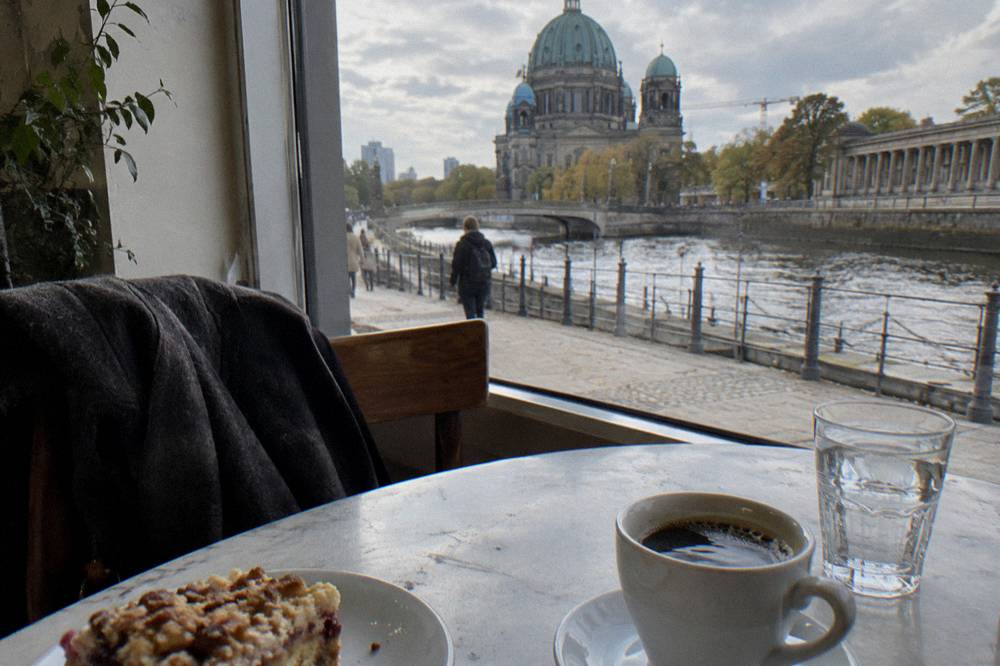
Can You Combine A Coffee Stop With A Guided Walk?
Yes, and it is the most efficient way to spend a Berlin day: most guided food and drinks walks run two to four hours, leaving a morning or evening free for cafes, and the two cultures share districts. A typical pairing is a roaster-bar espresso before a midday food walk, or a market-and-cafe morning followed by an evening beer or history tour. If that evening beer tour sounds like your kind of finish, our guide to Berlin beer gardens and what to order covers which gardens deserve the trip and when they open for the season.
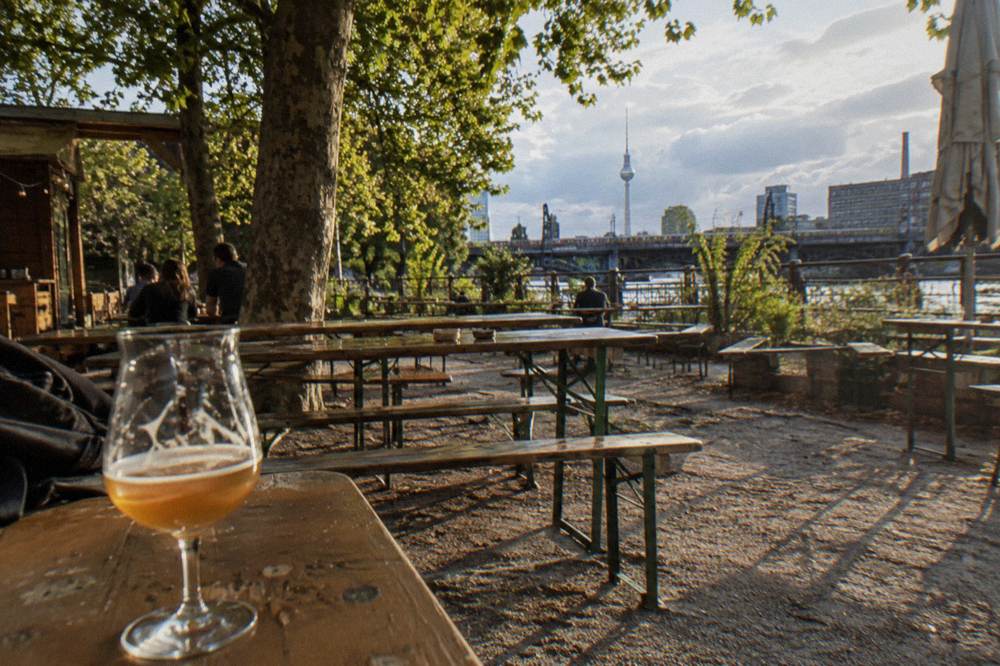
The timing works because Berlin tours cluster at set hours. A midday walk leaves a clean cafe morning. Evening tours, like the Berlin Evening Culinary Tour, Award Winning, about 4 hours and rated 4.8 across 122 reviews from $218.13, free up the whole afternoon for Kreuzberg or Neukölln cafe wandering before dinner-level eating begins. Shorter options slot in anywhere: Berlin's Greatest Hits: Food, Beer & History Tour runs about 2 hours from $79.21, rated 4.9 across 84 reviews, short enough to sit between a long brunch and an evening out. If the beer stretch of that greatest hits walk leaves you curious about local brewing, a guide to Berliner Weisse and its red or green syrup explains the custom and points you to bars that pour it properly.
Getting between districts is cheap. A single BVG ticket for zones AB costs 4,00 EUR and is valid for 120 minutes, per BVG's single-ticket price table, and children 6 to 14 pay a reduced 2,50 EUR. If you are staying longer and hopping daily, the Deutschlandticket at 63 EUR per month, rising to 66,80 EUR from 1 January 2027 per the official Deutschlandticket site, covers local and regional transport across Germany. Coffee crawls rarely need more than the AB single.
One booking note: tour meeting points are stated on each booking page, and none of the walks here include hotel pickup: seven listings rule it out and the rest do not mention it, so plan to reach the meeting point yourself. Plan the last cafe of the morning within a short walk or one U-Bahn hop of your meeting point, and you remove the only real friction in the day. The wider Berlin beer tour guide maps the breweries and beer gardens if you want the full drinks day.
When Are Berlin Coffee Shops Open?
Berlin specialty cafes mostly keep daytime hours, while traditional cafes and bakeries open earlier and run later into the afternoon, but Sunday changes everything: under Berlin law most shops close, bakeries selling their own goods may open only 07:00 to 16:00, and cafe hours thin out accordingly.
The Sunday rules come from the Berliner Ladenöffnungsgesetz. As the Senatsverwaltung's shop opening hours page sets out, shops with bakery and confectionery ranges may open 07:00 to 16:00 on Sundays, while general shops stay closed, with tourist-need shops allowed 13:00 to 20:00 and up to eight open Sundays a year citywide by special order. In practice this means Sunday cafe mornings in Berlin are bakery-forward: cake and Pfannkuchen yes, full retail no, and supermarkets shut except at stations.
Weather shapes the calendar too. Per the Deutscher Wetterdienst 1991 to 2020 normals for Alexanderplatz, Berlin averages 10.7 C over the year, with July the warmest month at 20.4 C and January the coldest at 1.5 C; outdoor cafe seating is a realistic plan from April through September, when monthly sunshine runs from 166.8 to 238.2 hours, and an indoor plan from November through February.
| Month | Mean temp | Rainfall | Sunshine | Cafe planning |
|---|---|---|---|---|
| January | 1.5 C | 48.8 mm | 51.7 h | Indoor, cake season |
| April | 10.7 C | 30.1 mm | 195.4 h | First terrace weeks |
| July | 20.4 C | 78.2 mm | 238.2 h | Terrace, iced drinks |
| October | 10.4 C | 43.4 mm | 115.5 h | Mix, warming up |
| December | 2.5 C | 46.5 mm | 41.9 h | Indoor, Christmas market side trips |
Which Berlin Drinks Tours Pair Well With Cafe Days?
The strongest pairings are the craft beer and brewery walks, which run in the afternoon or evening and do not overlap with cafe mornings: the Berlin Craft Beer & Cultural Tour With Snack at about 3 hours from $125.14, Berlin's first original craft beer tour at about 3 hours from $149.20, the BRLO brewhouse tour at about 1.5 hours from $20, and the wine tour with a local sommelier at about 1.5 hours from $170.
The craft beer tour with snack is the easiest fit for a coffee-first day. It runs about 3 hours, is rated 5.0 across 364 reviews, and combines beer culture with a snack substantial enough to count as an early dinner, leaving your late morning and early afternoon for cafes. Berlin's first original craft beer tour and experience, rated 4.9 across 284 reviews from $149.20, takes the same amount of time and goes deeper on the beer side, suited to visitors who want the brewery story rather than a broad cultural walk.
For a lighter commitment, the BRLO BRWHOUSE tour with craft beer tasting lasts about 1.5 hours, costs from $20, and is rated 4.5 across 788 reviews, making it the most reviewed option in this group and the easiest to slot beside other plans. On the quieter end, the Berlin Wine Tour with Local Sommelier and Tastings, rated 5.0 across 17 reviews from $170, is a compact 1.5 hours: a seated sommelier tasting at a hotel on the Ku'damm. Group sizes and start times vary; the booking page for each states the current schedule. To build your own tasting route between guided stops, our overview of Berlin's signature drinks covers beer, Berliner Weisse, wine, and coffee.
| Tour | Duration | Rating and reviews | From (per person) |
|---|---|---|---|
| Craft Beer Tour, Snack Included | ~3 hours | 5.0 across 364 reviews | $125.14 |
| Berlin's first original craft beer tour & experience | ~3 hours | 4.9 across 284 reviews | $149.20 |
| BRLO Brewery, Budget Fare | ~1.5 hours | 4.5 across 788 reviews | $20 |
| Wine Tasting With Sommelier | ~1.5 hours | 5.0 across 17 reviews | $170 |
| Historic Pubs Beer Crawl | ~3.5 hours | 5.0 across 239 reviews | $84.95 |
Common Questions About Berlin Coffee Shops
What Makes Berlin Coffee Shops Different?
Berlin holds two parallel cafe cultures: traditional cafes serving cake and filtered coffee at a slow pace, and specialty roaster bars serving single-origin espresso and filter coffee. Most districts contain both, so the choice between a leisurely Konditorei morning and a quick standing espresso is a genuine daily decision.
Where Are Berlin's Specialty Roasters Concentrated?
Kreuzberg and Neukölln hold the densest cluster of roaster bars, with more in Mitte and growing numbers in Prenzlauer Berg. Roasters move more often than the scene does, so check a roaster's own site before walking to a specific address.
Do You Tip In Berlin Cafes?
Tips in Berlin cafes are modest, and rounding up the bill is the normal approach. Nobody expects a percentage on a small coffee order.
Are Berlin Coffee Shops Open On Sundays?
Many are, under Berlin's shop opening law: bakery and confectionery shops may open 07:00 to 16:00 on Sundays, and cafes as sit-down businesses generally operate, while general retail stays closed. Expect reduced hours and busy brunch rooms.
Can You Combine A Coffee Morning With A Guided Tour?
Yes. Most Berlin food and drinks tours run two to four hours and start around midday or in the evening, which leaves a free morning for cafes. A single BVG AB ticket at 4,00 EUR covers the cross-town hop between districts.
Is Berlin Expensive For Coffee?
Cafe prices in Berlin sit below those of London or Paris but above those of smaller German cities, and specialty coffee costs more than traditional filter coffee. Guided drinks tours range widely, from the BRLO brewhouse tasting at from $20 to a seated sommelier wine tasting at from $170.
Berlin rewards the visitor who treats coffee as part of the food itinerary rather than a footnote. Pick your district by style, respect the Sunday rhythm, keep some cash, and leave an afternoon free for the guided side of the city's drinking culture.