Berlin Breakfast Culture: What Locals Eat In The Morning
Berlin mornings run on bread rolls, cold cuts, strong coffee and a late start. This guide unpacks what a Berlin breakfast really looks like, where to find it, and how to turn the habit into a guided morning.
Short answer
A typical Berlin breakfast is a cold plated meal: fresh Broetchen rolls, butter, cheese, cold cuts, jam and boiled eggs, eaten slowly and often past ten. Bakeries open early, cafes serve brunch from mid morning, and markets like Winterfeldtmarkt run Wednesday morning and Saturday until 16:00.
Berlin does not hurry its mornings. While plenty of European capitals treat breakfast as coffee standing at a bar, the German capital built an entire institution around it: the Frühstück, a long cold spread of rolls, butter, cheese and cured meat that can stretch from ten in the morning well past noon on weekends. Cafes advertise it with hand written chalkboards, bakeries queue for it before work, and whole neighborhoods such as Prenzlauer Berg have made weekend brunch a defining ritual.
This guide walks through what locals actually put on the table in the morning, where the best bakery counters and markets are, how the city's strict Sunday shop rules shape your breakfast options, and which guided walks turn all of it into a single easy morning.
What Do Berlin Locals Actually Eat For Breakfast?
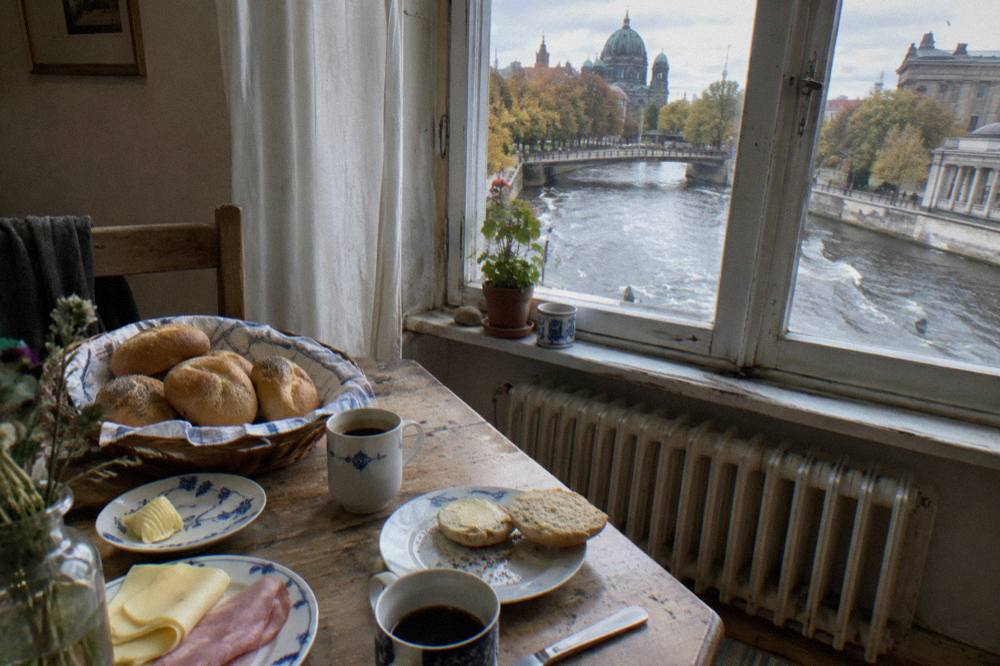
The standard Berlin breakfast is a cold, do-it-yourself plate built around fresh rolls: Broetchen with butter, sliced cheese, cold cuts such as ham and salami, jam, soft boiled eggs, and coffee or tea, assembled at the table rather than cooked to order. It is a sit-down social meal, often eaten late, and it rarely involves anything fried.
The heart of it is the bread. A German breakfast without a basket of rolls is barely a breakfast at all, and Berlin bakeries sell dozens of varieties, from plain white Weizenbroetchen to crusty rye Mischbrot rolls, seed-covered Mehrkornbroetchen and the slightly sweet, milk-based Milchbroetchen that children grow up on. The rolls are bought the same morning they are eaten, because a Broetchen is considered stale by afternoon. Alongside the basket comes the cold buffet of the plate: butter, quark or cream cheese, sliced Gouda and other cheeses, ham, salami and Leberwurst, tomato and cucumber, and jam or honey.
There are regional habits inside that frame. Many Berliners keep weekday breakfast light, a roll with cheese or jam grabbed at the bakery on the way to work, and save the full spread for weekends. Sweet options matter too: Marmeladenbroetchen, a roll with jam, is a classic, and bakeries put out Berliner, the jam filled doughnut that locals call a Pfannkuchen, the pastry explained in detail in the guide to Berliner Pfannkuchen and bakery pastries. Alongside all of it goes filter coffee, and increasingly the city's specialty espresso scene, covered in the companion piece on Berlin coffee shops and roasters.
What you will almost never see locals eating before noon is a hot cooked plate. Eggs exist, but boiled in their shells and standing in an egg cup, not scrambled in a pan. The German language even has a phrase, "liebevoll gedeckter Frühstückstisch", for the lovingly laid breakfast table, and that table is the point: the meal is about the spread and the time spent at it.
| Component | What It Is | Typical Role |
|---|---|---|
| Broetchen | Fresh daily bread rolls, white, rye or seeded | The base of the whole meal |
| Butter and quark | Spreadable fats and fresh cheese | First layer on the roll |
| Cheese | Sliced Gouda and other firm cheeses | Main savoury topping |
| Cold cuts | Ham, salami, Leberwurst | Second savoury topping |
| Eggs | Soft boiled, served in the shell | Weekend addition |
| Jam and honey | Fruit preserves, often homemade style | Sweet option |
| Coffee or tea | Filter coffee traditionally, espresso increasingly | Constant companion |
Where Can You Find The Best Berlin Breakfast Bakeries?
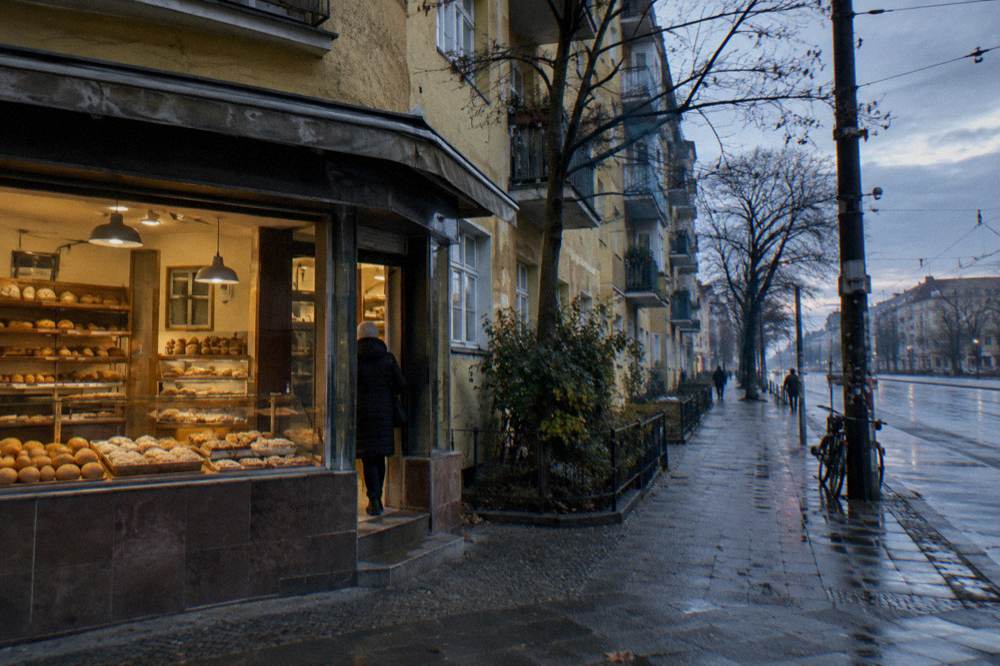
Bakeries are the engine of Berlin mornings: most open early, sell out of popular rolls by late morning, and double as the cheapest proper breakfast in the city, since a roll, a spread and a coffee bought at the counter costs a fraction of a cafe plate. Look for a bakery with a queue of locals before nine.
Berlin still has a dense network of traditional Handwerksbaeckereien, craft bakeries, alongside the organic specialty shops that have multiplied since the 2010s. The traditional ones open early, sell the full range of rolls and loaves, and often have a small standing counter where regulars eat a roll with a sausage or just take their coffee to go. The specialty bakers, concentrated in Kreuzberg, Neukölln and Prenzlauer Berg, lean sourdough and open later, but their pastry cases are a breakfast of their own: croissant hybrids, cardamom buns and seasonal fruit cakes.
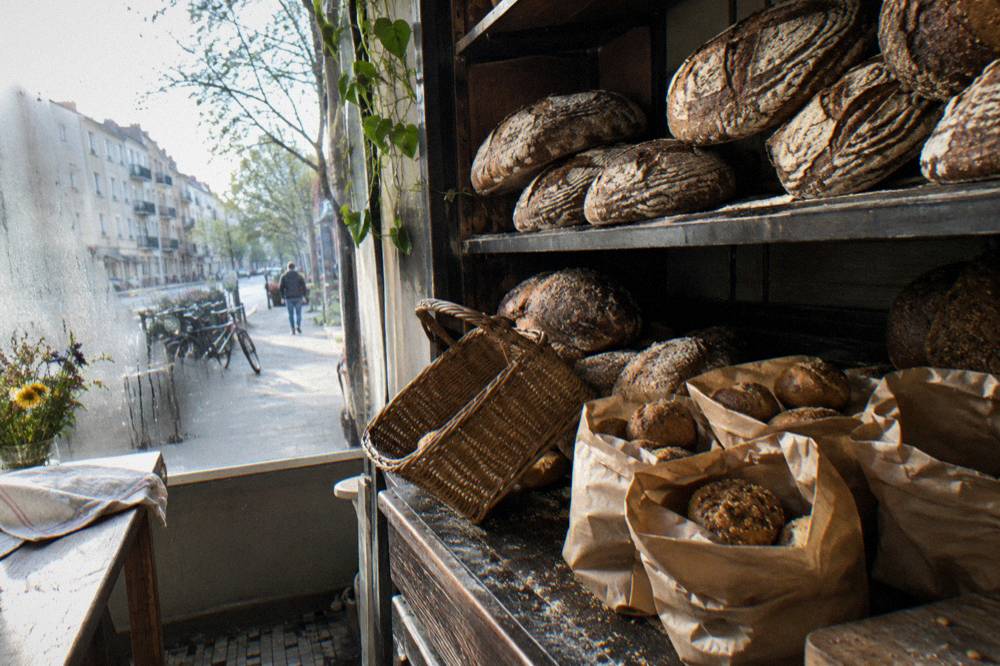
Timing matters more than geography. Under Berlin's shop opening law, bakeries may sell their goods on Sundays between 07:00 and 16:00, a carve-out for bakery and confectionery ranges detailed by the Senatsverwaltung for Economy's opening-hours page, so a Sunday morning roll run is a legal and beloved institution. On a Saturday, by contrast, the popular counters sell out of the best rolls by late morning, and on public holidays the same Sunday rules apply. The practical pattern locals follow: bakery early, cafe brunch later, and the two rarely mix.
If you want the bakery-and-neighborhood experience without doing the legwork, the Mitte District Food Tour with 7 Authentic Local Tastings covers the central district's food institutions in about 3 hours, from $90.01 per person, rated 4.9 across 1,583 reviews. It is not a breakfast tour, though one of its seven tastings is a traditional baked local pastry.
| Bakery Type | Typical Hours | What To Expect |
|---|---|---|
| Traditional craft bakery | Early morning, daily, Sundays 07:00 to 16:00 | Full roll range, sausage counter, standing coffee |
| Organic specialty baker | Mid morning opening, closed some Sundays | Sourdough, laminated pastry, espresso |
| Cafe with own bakehouse | Morning onward | Table breakfast plus house bread |
| Market bakery stall | Market days only | Rolls and pastry eaten while walking |
Which Berlin Markets Serve A Real Morning Meal?
Three markets fit: Winterfeldtmarkt runs Wednesday morning and Saturday 08:00 to 16:00, the Turkish market at Maybachufer runs Tuesday and Friday 11:00 to 18:30, and Markthalle Neun's Street Food Thursday runs 17:00 to 22:00, so the hall suits a late start or an evening instead.
The market breakfast is the other half of Berlin morning culture, and it skews warmer and more international than the bakery plate. At Winterfeldtplatz in Schöneberg, the Saturday market fills with flower sellers, cheese stands, olives, bread and coffee, and locals do a slow lap eating as they go, a pattern described in the wider guide to Berlin food markets and halls worth your morning. The official details are on visitBerlin's Winterfeldtplatz market page.
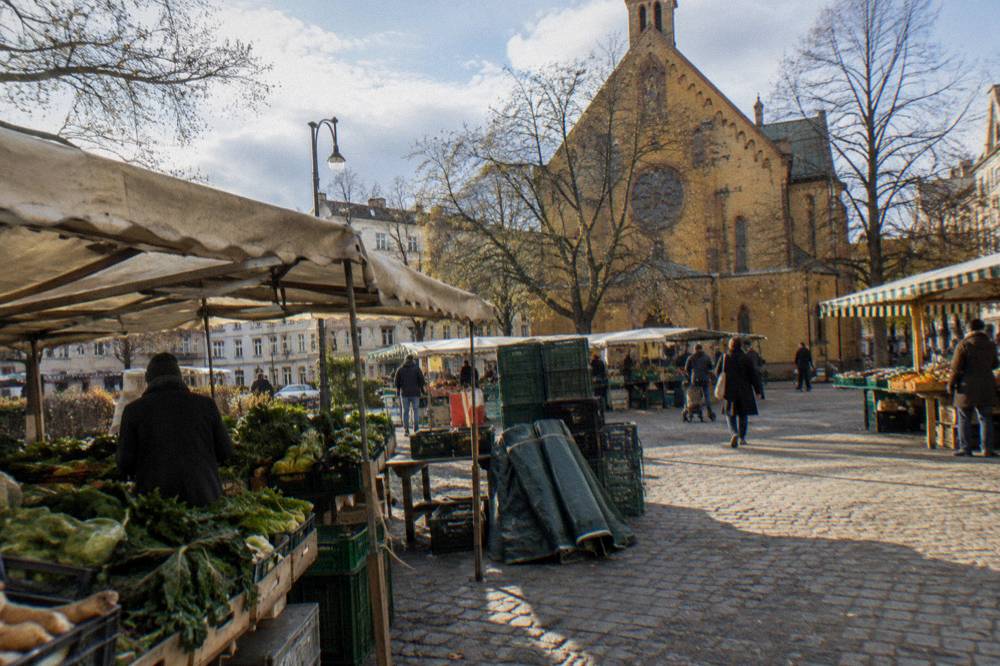
The Turkish market on the Maybachufer in Kreuzberg and Neukölln is the breakfast-maximalist option: a stretched line of stalls along the canal selling vegetables, spices, flatbreads with cheese and herbs, olives, and sweets, laid out in detail in the guide to the Maybachufer Turkish market and its food stops. Because it opens at 11:00, it suits the Berlin habit of eating breakfast late. Getting there is cheap: a single BVG ticket for zones AB costs 4,00 EUR and is valid 120 minutes, per BVG's single-ticket price table, and children 6 to 14 pay the reduced 2,50 EUR.
Markthalle Neun in Kreuzberg is the covered anchor of the scene. Its Street Food Thursday runs every Thursday 17:00 to 22:00, with the operator listing 5, 19 and 26 November 2026 among the dates, per the hall's official Street Food Thursday page, so plan it as a dinner rather than a breakfast. The rest of the week the hall hosts regular market traders, and a guided option exists: the Markthalle Neun Guided Food Tour with Craft Beer runs about 2.5 hours from $97 per person. That tour has no reviews yet, so judge it on its description rather than any rating.
| Market | Days and Hours | Morning Or Later |
|---|---|---|
| Winterfeldtmarkt, Winterfeldtplatz | Wednesday morning, Saturday 08:00 to 16:00 | Classic early start |
| Turkish market, Maybachufer | Tuesday and Friday 11:00 to 18:30 | Late breakfast |
| Markthalle Neun weekly market | Regular trading days | Mid morning onward |
| Street Food Thursday, Markthalle Neun | Thursday 17:00 to 22:00 | Evening only |
When Can You Shop For Breakfast On A Sunday In Berlin?
On Sundays most Berlin shops are closed, but three exceptions matter for breakfast: bakeries and confectioners may sell from 07:00 to 16:00, tourist-need shops selling food and drink for immediate consumption may open 13:00 to 20:00, and shops inside stations stay open, so a Sunday breakfast is entirely doable with a little planning.
The rules come from the Berlin shop opening law, the Ladenöffnungsgesetz, and they shape Sunday mornings more than any visitor expects. Supermarkets are closed except those inside rail stations, which count as special shops and may trade normally. Bakeries get their own window, selling bakery and confectionery goods from 07:00 to 16:00, which is why Sunday breakfast in Berlin is traditionally built around a morning roll run rather than a fridge raid.
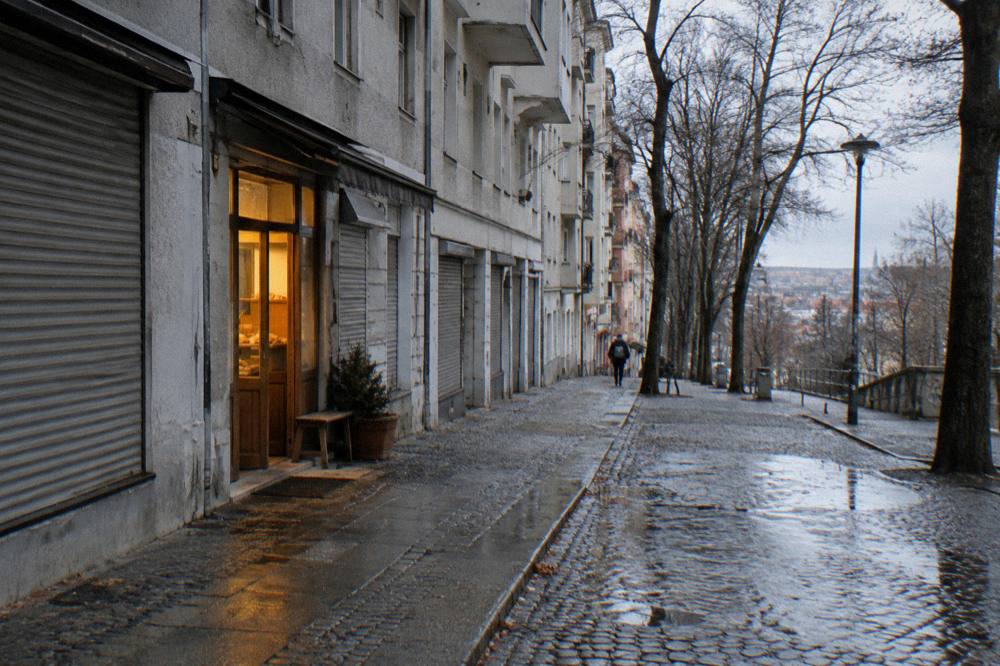
Cafes and restaurants are not covered by the shop law, so cafe breakfast and brunch run every Sunday, and this is the hour Prenzlauer Berg fills up. The district's bakery and brunch scene has its own guide, the piece on the Prenzlauer Berg food walk through bakeries and brunch spots, which covers where the weekend crowds actually go. The city also allows up to eight open Sundays a year by general order, with shops trading 13:00 to 20:00, so occasionally a Sunday afternoon shop window appears; the safe assumption is still closed until one is announced.
| Sunday Option | Hours | Notes |
|---|---|---|
| Bakeries and confectioners | 07:00 to 16:00 | Bakery goods only |
| Tourist-need shops | 13:00 to 20:00 | Food and drink for immediate use |
| Station shops | Normal hours | Including Sundays |
| Supermarkets | Closed | Except inside stations |
| Cafes and brunch spots | Normal service | Not covered by shop law |
What Is A German Frühstück And Why Is It So Big?
Frühstück is the German word for breakfast, but in Berlin it names a full cold buffet meal: rolls, spreads, cheese, cold cuts, eggs and coffee served in tiers or platters, designed to last an hour or two and often priced as a fixed spread per person. Its size is deliberate, breakfast is the day's unhurried social meal.
The word itself breaks down as "early piece", an early bite, but the modern Berlin version is anything but a bite. Many cafes offer it in named sizes: a small Frühstück for one, a shared platter for two, and a Boulette or regional variant adding warm items. The classic Berlin cafe menu leans on the cold components described above, but the city's hundred-plus-year cafe tradition and its more recent brunch wave have layered in eggs Benedict, shakshuka and pancakes alongside the rolls, so a Berlin brunch table now holds both traditions at once.
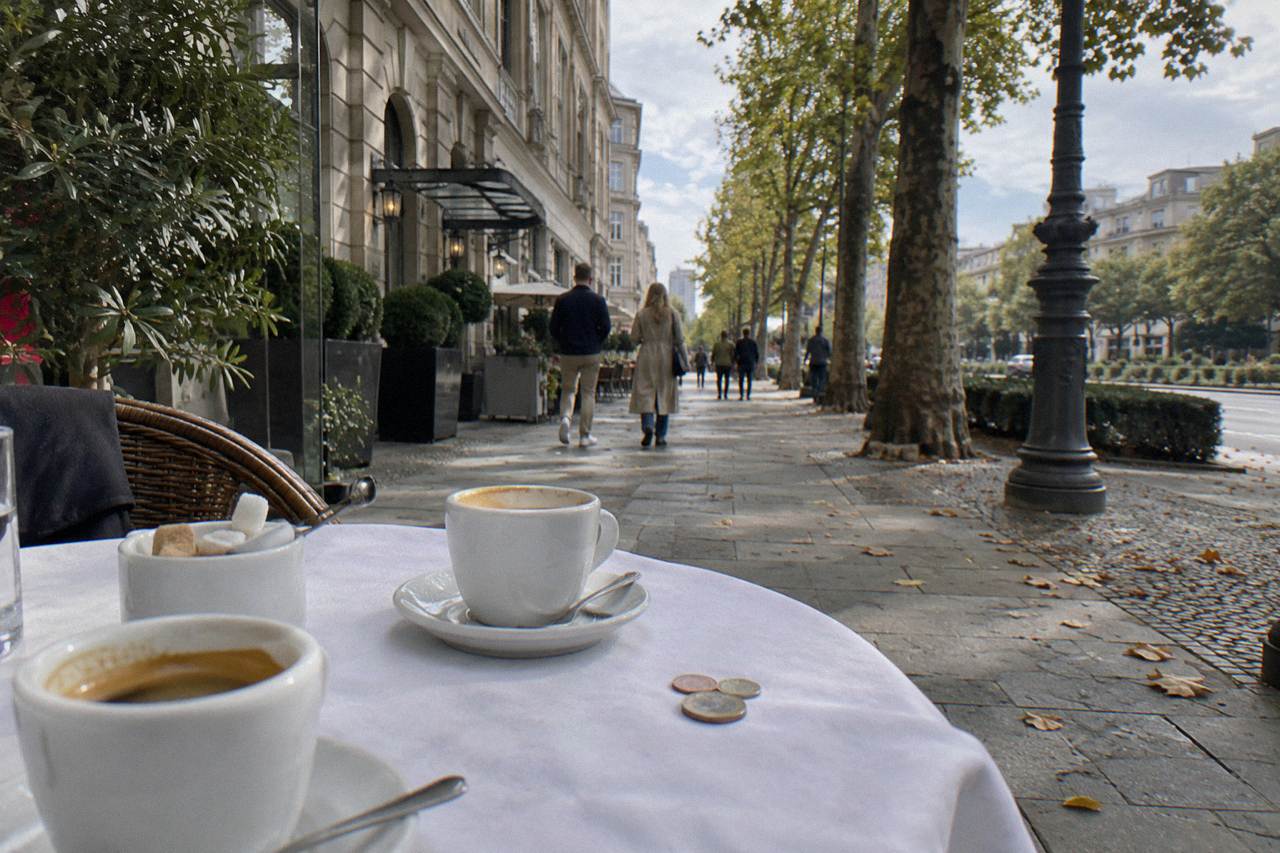
The size has a social logic. German work culture historically put the main warm meal at midday, leaving breakfast and supper as bread meals, and the weekend Frühstück absorbed the leisure of a day off. In Berlin that drifts later: a 11:00 or even 12:00 Sunday breakfast merges into lunch, which is why the Maybachufer market's 11:00 opening feels natural to locals and why cafe kitchens keep the breakfast menu running into the afternoon.
Visitors who want the full sweep of the city's food culture, breakfast being only the first course of it, often book a morning walk. The Street Food Paradise tour from the No Diet Club runs about 3 hours from $75 per person, rated 4.8 across 403 reviews, and pairs street food stops with the neighborhood context that makes them make sense; details and departures are on the booking page.
Which Berlin Morning Tour Turns Breakfast Into A Meal?
The closest fits are the guided walks that move through markets and specialty shops: the Street Food Paradise tour from $75, the Markthalle Neun hall tour from $97, and the 10 Tastings private walk from $175.65, each about 2.5 to 3 hours, each with several tastings (the No Diet Club walk lists at least five).
A food tour and a Berlin breakfast solve the same problem from opposite ends. Breakfast is the city's slow, cold, self-assembled meal; a tour compresses a dozen of those assembly moments into one guided route.
The Downtown Food Tour with 8 Authentic Local Tastings is the volume option: about 3 hours, from $115 per person, rated 4.9 across 407 reviews, moving through central Berlin with eight stops. For a private version of the same idea, the 10 Tastings walk runs about 3 hours from $175.65 per person, rated 4.4 across 140 reviews, with the final price depending on group size, which the booking page confirms before payment.
Between the two sits the Markthalle Neun hall tour described above, which trades street corners for a covered market and adds a craft beer element, a fit for travelers whose breakfast curiosity leans toward the market hall experience. And for visitors planning the whole day rather than just the morning, the wider decision framework is in the guide to which Berlin food walk to book.
| Tour | Duration | Price Basis | Rating |
|---|---|---|---|
| Street Food Paradise tour | ~3 hours | From $75 per person | 4.8 across 403 reviews |
| Markthalle Neun tour with craft beer | ~2.5 hours | From $97 per person | No reviews yet |
| Downtown tour, 8 tastings | ~3 hours | From $115 per person | 4.9 across 407 reviews |
| 10 Tastings private walk | ~3 hours | From $175.65 per person | 4.4 across 140 reviews |
How Do You Plan A Perfect Breakfast Morning In Berlin?
Pick one anchor and build backwards: a bakery at opening for the first roll, a market that matches the day of the week, and a late cafe breakfast or brunch to finish, all reachable on a single 4,00 EUR zone AB ticket. Match the day to the venue, since the weekly markets only trade on fixed days and Sunday reshuffles everything.
Start with the calendar. Tuesday and Friday belong to the Maybachufer Turkish market from 11:00, Wednesday morning and Saturday to Winterfeldtmarkt, Thursday evening to Markthalle Neun, and Sunday to the bakeries and the brunch cafes of Prenzlauer Berg. Any morning can be a bakery morning, but the roll counters thin out by late morning, so set an alarm for one day at least. Transport is simple: the zone AB single at 4,00 EUR covers the whole city, and the fare stays at 4,00 EUR from January 2027, per the city's announcement on Berlin.de's VBB fare update, while the Deutschlandticket at 63 EUR per month suits a longer stay.
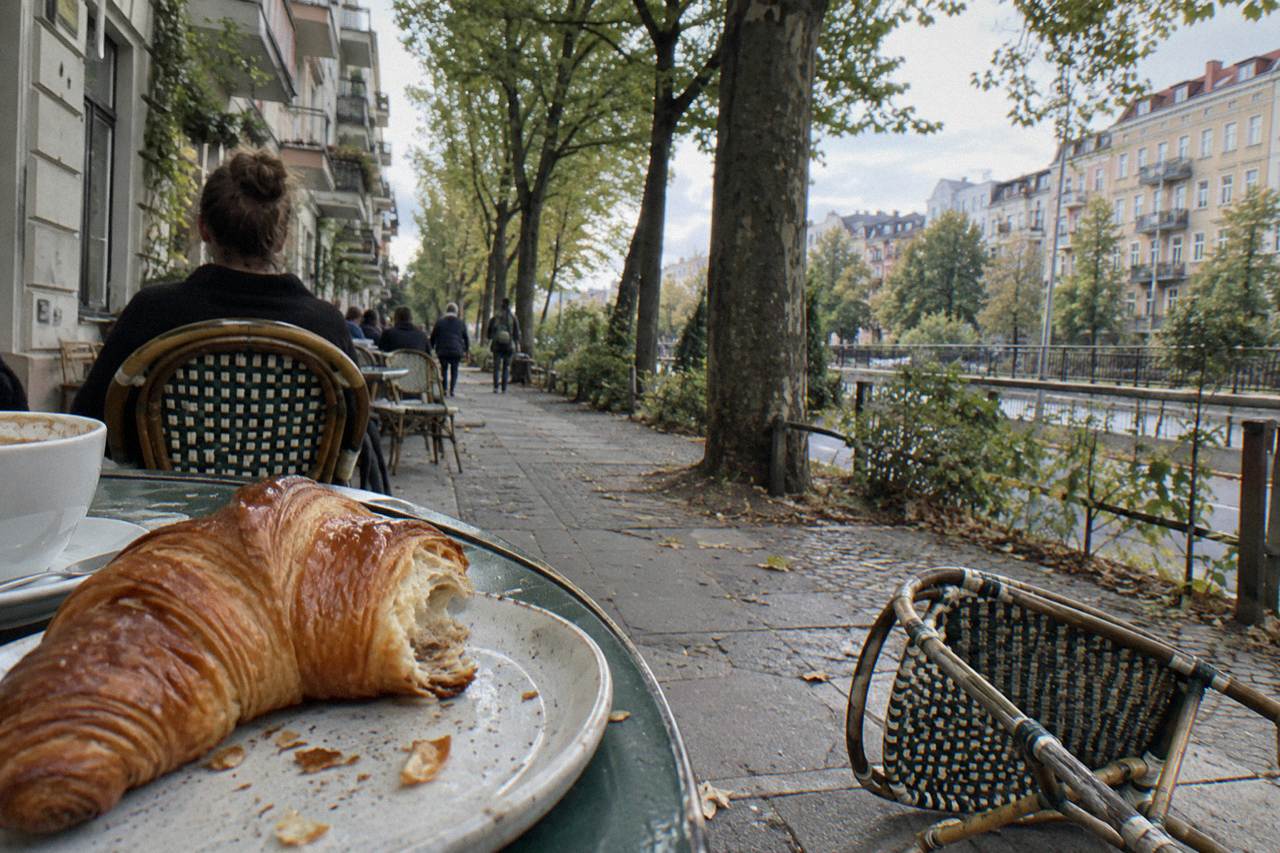
Weather barely needs to decide anything. Winter means indoor cafe breakfasts and covered market halls, summer means eating rolls by the canal at the Maybachufer. One honest note on the season: the Deutscher Wetterdienst 1991 to 2020 normals for Alexanderplatz put January at a mean of 1.5 C with 48.8 mm of rain, and July at 20.4 C, so a January breakfast morning wants a warm cafe and a July one wants shade. More on timing the whole trip is in the guide to the best time to visit Berlin for food.
If you would rather skip the planning and let a local route the morning, the Mitte District tour from $90.01 per person remains the most reviewed option at 4.9 across 1,583 reviews, and there is a deeper dive in the piece on what a Berlin food walk costs and includes. Whichever route you pick, book ahead for weekend dates, when the popular walks fill up first.
Common Questions About Berlin Breakfast
What Do Berliners Eat For Breakfast?
A typical Berlin breakfast is a cold plate built on fresh Broetchen rolls with butter, cheese, cold cuts, jam and soft boiled eggs, plus filter coffee or espresso. Weekday breakfast is often just a bakery roll on the way to work, while weekends get the full spread, eaten late and slowly.
What Time Do Berliners Eat Breakfast?
Earlier is lighter and later is larger. A weekday bakery run happens in the early morning, while the weekend Frühstück or brunch commonly starts between 10:00 and 12:00 and can run for a couple of hours, which is also why the Maybachufer Turkish market opens at 11:00.
Can I Buy Breakfast On A Sunday In Berlin?
Yes. Bakeries may sell from 07:00 to 16:00 on Sundays, cafes and brunch spots serve normally, and shops inside rail stations stay open. Ordinary supermarkets and most other shops are closed, so the Sunday breakfast plan is a bakery or a cafe rather than a supermarket.
What Is A Broetchen?
A Broetchen (plural Broetchen) is a small fresh bread roll, the base of the German breakfast. Varieties range from white Weizenbroetchen to seeded Mehrkornbroetchen and rye-based rolls, and they are baked and bought the same morning, since they are considered stale by the afternoon.
Which Berlin Market Is Best For Breakfast?
Winterfeldtmarkt at Winterfeldtplatz suits an early start, trading Wednesday morning and Saturday 08:00 to 16:00. The Turkish market at Maybachufer, Tuesday and Friday 11:00 to 18:30, suits a late breakfast with flatbreads and olives along the canal. Markthalle Neun is best known for Street Food Thursday, which runs in the evening from 17:00 to 22:00.
Is Breakfast In Berlin Expensive?
The bakery version is the budget option, since a roll with a spread and coffee at the counter costs far less than a cafe plate, though specific dish prices vary and should be checked on site. A guided alternative bundles many tastings into one price, with tours starting from $50 per person.