What To Eat In Berlin: Traditional Dishes And Local Staples
Berlin's food identity was built on cheap, filling, working-class dishes, and the classics still define how the city eats. Here is what to order, what it actually is, and how to taste several of them in one afternoon.
Short answer
The core Berlin staples are currywurst, Boulette, Eisbein, Soljanka, Döner kebab and the Berliner pastry, alongside Turkish market produce and street food from halls like Markthalle Neun. A three-hour guided walk covering many of these runs from about $75 per person, and a market-hall tour runs from $97.
Berlin's kitchen was never a courtly one. For most of the modern era this was a city of workers, renters and arrivals, and the dishes that stuck, currywurst, Boulette, Eisbein, Soljanka, Döner, were built to feed someone cheaply and fast. That is still the honest answer to the question of what to eat in Berlin: the staples are humble, dense with history, and best eaten standing up or at a market table rather than in a dining room. This guide walks through each classic, where it came from, how to order it, and how a guided walk can compress the whole list into a single afternoon. Along the way it flags the market days and opening rules that decide whether your plan actually works, because in Berlin the calendar matters as much as the menu.
What Are The Must-Try Dishes In Berlin?
The must-try dishes in Berlin are currywurst, Boulette, Soljanka, Döner kebab and a Berliner pastry, and you can manage all five even on a short visit; if you have a real appetite and a free evening, add Eisbein as the sit-down option. Each one belongs to a different layer of the city's history, from old Prussian farmhouse cooking through the post-war decades and East Bloc canteen kitchens to Turkish Berlin and the street food revival. None of them requires a reservation, and four of the five are street food you can eat while walking between neighborhoods. The table below gives the essentials before the sections that follow go deeper on each dish, its origin story and the vocabulary you need at the counter.
| Dish | What it is | Where it sits in the city's food culture |
|---|---|---|
| Currywurst | Steamed and fried sausage cut into slices, topped with spiced tomato sauce and curry powder | Post-war West Berlin street snack, the city's signature |
| Boulette | A fried hand-shaped minced meat patty, often with onion and herbs | Old Berlin market and butcher-shop food |
| Eisbein | Pork knuckle, usually boiled with pea puree or sauerkraut | Heavy Prussian sit-down classic |
| Soljanka | A sour, thick soup with sausage, fish or meat scraps, pickles and peppers | East Berlin canteen staple |
| Döner kebab | Meat shaved from a vertical spit, served in bread with salad and sauce | Widely credited to Turkish guest workers in West Berlin in its modern form |
| Berliner | A jam or mousse-filled yeast doughnut without a hole | Carnival pastry, called Pfannkuchen by Berliners |
A note on the last row, because it trips people up. In most of Germany this pastry is called a Berliner, but in Berlin itself locals say Pfannkuchen, which means pancake everywhere else in the country. Order a Berliner in Berlin and everyone will understand you anyway; just expect the server to enjoy correcting you, gently, before handing it over. It is one of the small linguistic jokes the city plays on newcomers, and it comes up on almost every guided walk within the first hour.
If tasting five dishes across five neighborhoods sounds like a lot of logistics, that is exactly the problem guided walks solve. Three options fit a first visit especially well, and each takes a different angle on the same list of classics.
The first is a three-hour street food tasting walk from $75 that covers kebab, tacos and a pastry in one go. The second pairs a market hall visit with craft beer for from $97. The third, a Mitte district walk from $90.01, rated 4.9 across 1,583 reviews, builds seven tastings into central Berlin. All three leave you in the middle of a food district at the end, which is a quiet advantage over researching stands alone.
Why Is Currywurst The Dish Berlin Argues About?
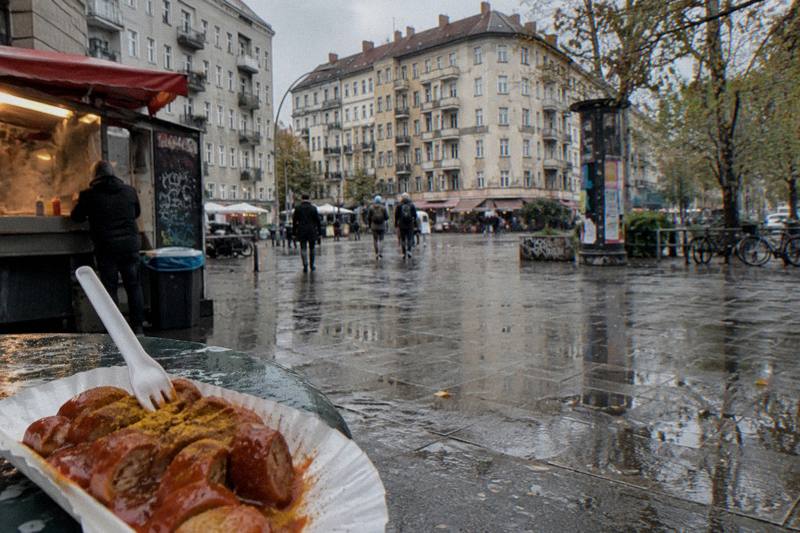
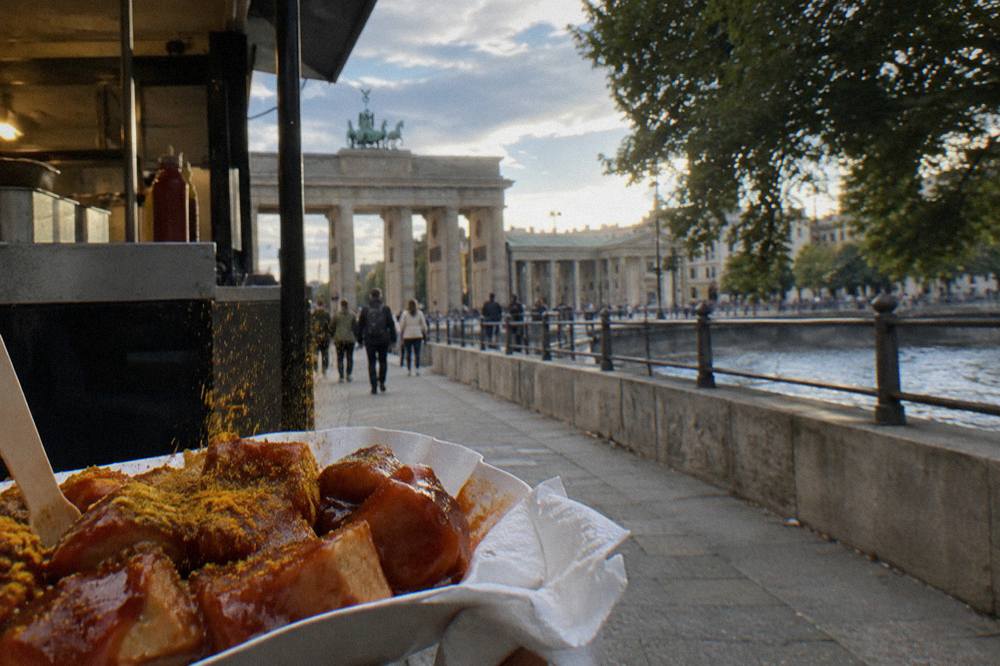
Berlin argues about currywurst because the city treats it as a civic institution rather than a mere snack. A steamed-then-fried pork sausage, sliced and covered in warm spiced tomato sauce with curry powder dusted on top, it is humble enough to eat anywhere yet official enough to defend fiercely, and that combination keeps every debate going. The standard order comes mit oder ohne Darm, with or without skin, and the sausage is usually cut into bites at the counter, though some stands serve it whole and let you do the work. You will be asked whether you want it scharf, sharp, or mild, and whether you want fries with it, and the answer to both questions shapes the whole experience. The dish is credited to Herta Heuwer, a Charlottenburg stand operator who is said to have mixed tomato paste, curry powder and traded ingredients into the sauce that launched a thousand imitators in the hungry post-war years.
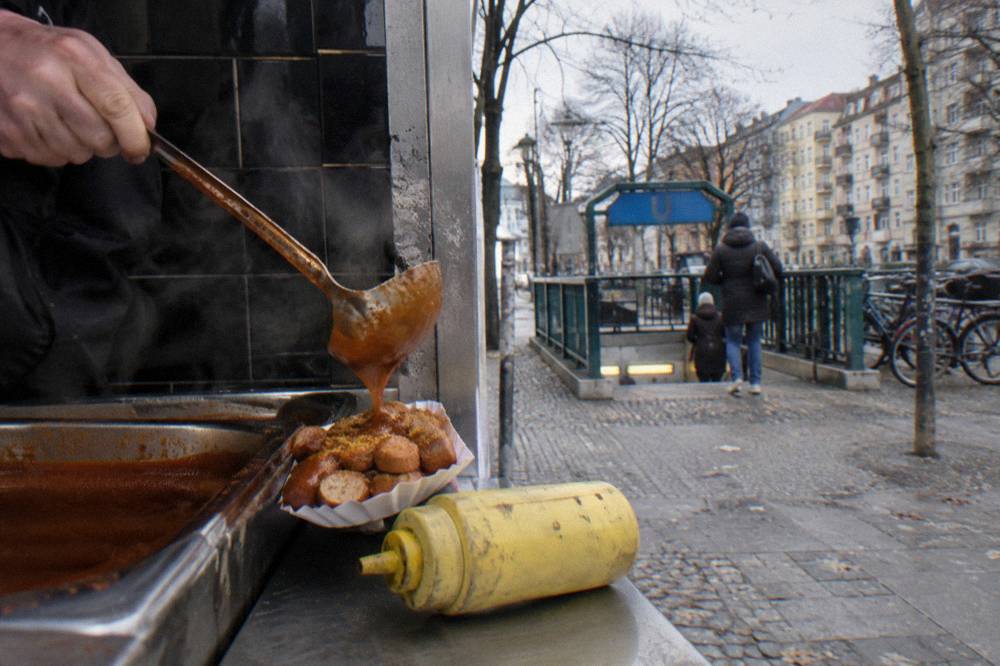
The argument Berliners have is not whether currywurst is good. It is about which style is correct. West Berlin stands tend toward a smooth, sweet ketchup-based sauce; the eastern variant, common since reunification, often uses a chunkier, more aggressively spiced sauce, sometimes with a visible layer of curry powder so thick it has to be tapped off before eating. Both are legitimate, both are everywhere, and the city treats the dish's history with a seriousness that shows up in pop culture, film and stand signage across town. Even people who claim to be above it have a stand they quietly prefer.
For the full background on the sauce, the ordering vocabulary and the stands worth queuing for, see the guide at currywurst history, sauce and where to eat it, plus a practical ordering guide at how to order the best currywurst in Berlin. There is also a tour-led angle if you want the story told while you eat: the Berlin currywurst tour guide covers the stands worth building a walk around.
What Are Eisbein, Boulette And Soljanka?
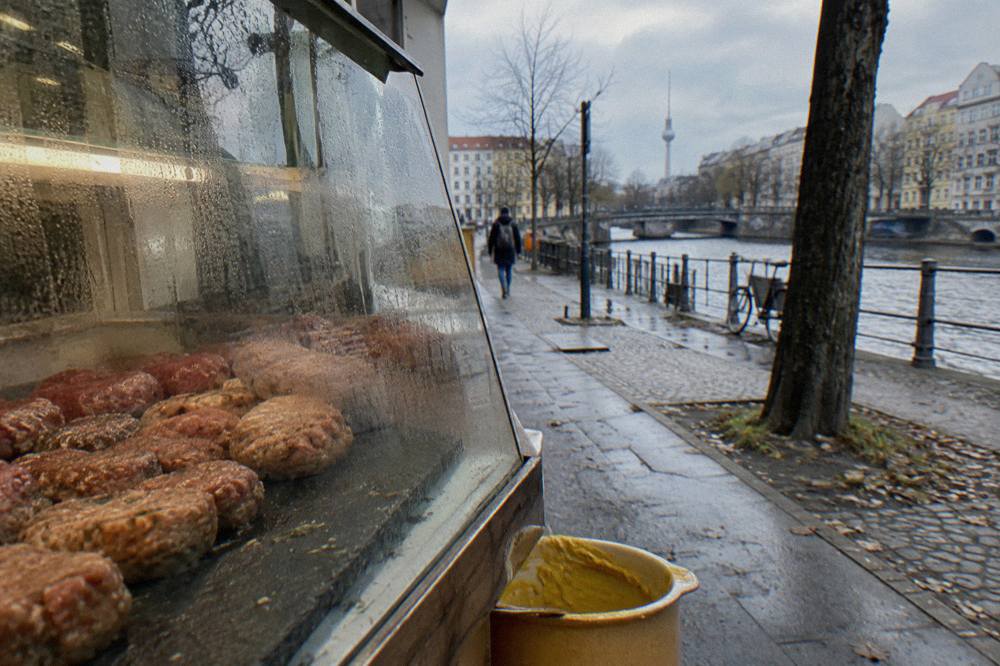
Eisbein is a boiled pork knuckle served with pea puree, Boulette is a hand-shaped fried minced meat patty, and Soljanka is a sour Slavic soup that became the everyday dish of East Berlin, all three survivors of eras when Berlin ate cheaply and heavily. They come from different corners of the region. Eisbein is old Prussian farmhouse food, the kind of dish that could feed a family through a long winter and left nobody hungry. Boulette belongs to the butcher shops and market halls of working-class Berlin, eaten hot off the counter with mustard and a bread roll, no seating required. Soljanka arrived with Russian and Ukrainian traditions and settled into East Berlin canteens, where it turned leftovers into a meal that people still crave decades after the canteens closed, a sour-savory bowl of pickles, peppers, sausage or fish in a tomato-tinged broth finished with cream.
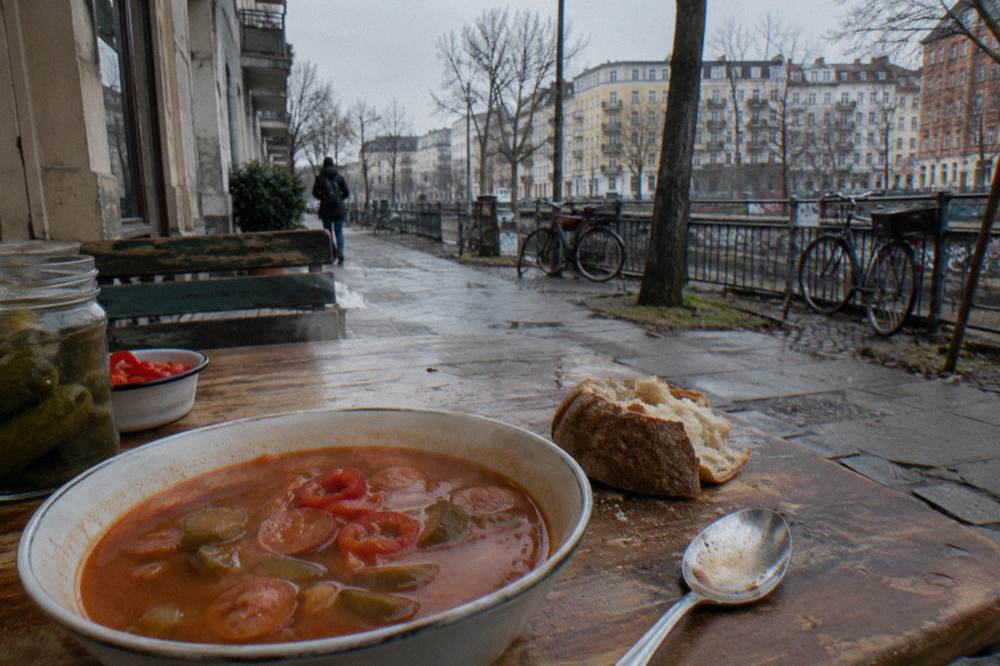
Eisbein is the one that needs planning. It is a sit-down restaurant dish, large enough that two people can share one knuckle without much trouble, and it appears on menus across the old city center and in pubs that have been serving it for generations. Boulette and Soljanka are easier: the first is counter food, the second appears on menus in the eastern half of the city from Mitte out to Friedrichshain and Prenzlauer Berg, usually at prices that make ordering a second bowl feel reasonable. Soljanka in particular is the dish that surprises visitors most, because nothing else on this list tastes like it, and because it is the one classic that cannot be traced to a German kitchen at all.
Wondering how to fit the sit-down classics and the street snacks into one trip?
The Berlin: Guided Street Food Tour with Tastings runs about three hours from $75 per person and is rated 4.8 across 403 reviews. The booking page shows the current cancellation terms before payment, so there is no need to commit before reading them.
What Is A Berliner And What Do Berliners Call It?
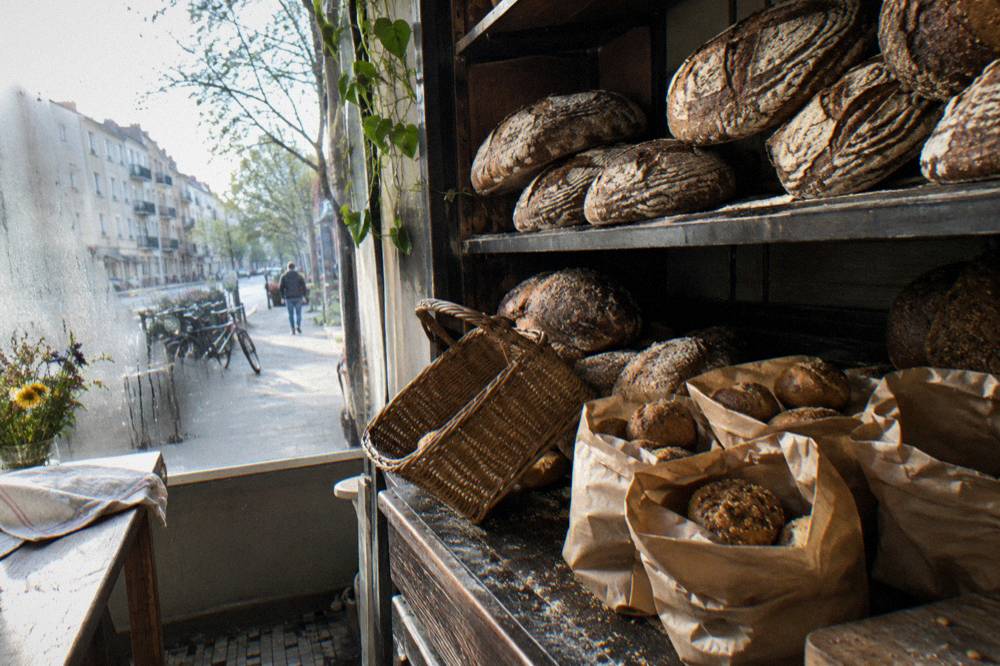
A Berliner is a yeast doughnut filled with jam or mousse and dusted with sugar, and its name depends on where you are: in Berlin itself, locals call this jam-filled treat a Pfannkuchen, while the word Berliner is what everyone outside the city uses for the very same pastry. The pastry is at its best in the weeks around carnival and New Year, when bakeries fill them with apricot, plum or even eggnog mousse, but you can find a decent one year round in traditional Bäckereien across Mitte, Prenzlauer Berg and Neukölln, usually stacked in the front of the display case. One thing worth knowing for Sunday visits: under the Berlin shop-opening rules, bakeries and confectioners may open on Sundays from 07:00 to 16:00, while ordinary supermarkets stay closed except at stations. The details sit in the Senatsverwaltung's shop opening hours page.
Bakery culture in Berlin extends well past one pastry, and the city's breakfast habits deserve their own attention. For the wider picture of morning food, see the guide to what locals eat for breakfast in Berlin, and a pastry-focused rundown at Berlin bakeries and Pfannkuchen pastries to know. Both are worth a read before a Sunday, since the bakery is often the only food shop reliably open in a residential street.
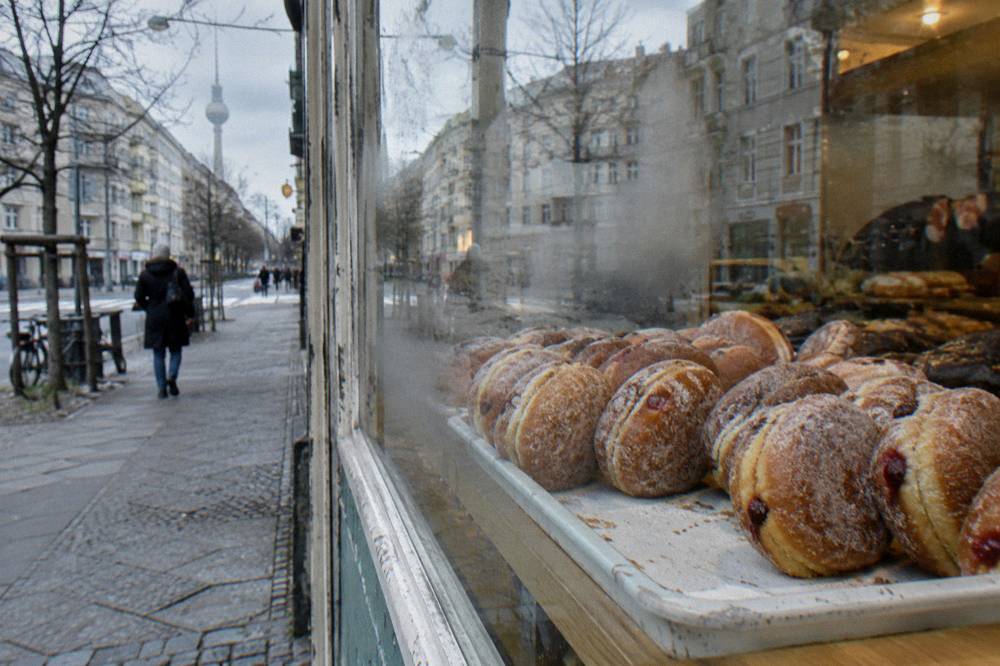
The famous story about a president accidentally calling himself a jelly doughnut is, in its usual form, a myth of translation; nobody in the crowd genuinely understood the sentence wrongly, and Berliners have been politely debunking it for decades. It survives because it is a good story. The pastry survives on its own merits, because a warm, jam-filled, sugar-crusted ball of fried dough needs no myth at all, especially when the jam is still loose and the sugar sticks to your fingers.
Where Do You Try These Dishes: Markets, Halls And Stands?
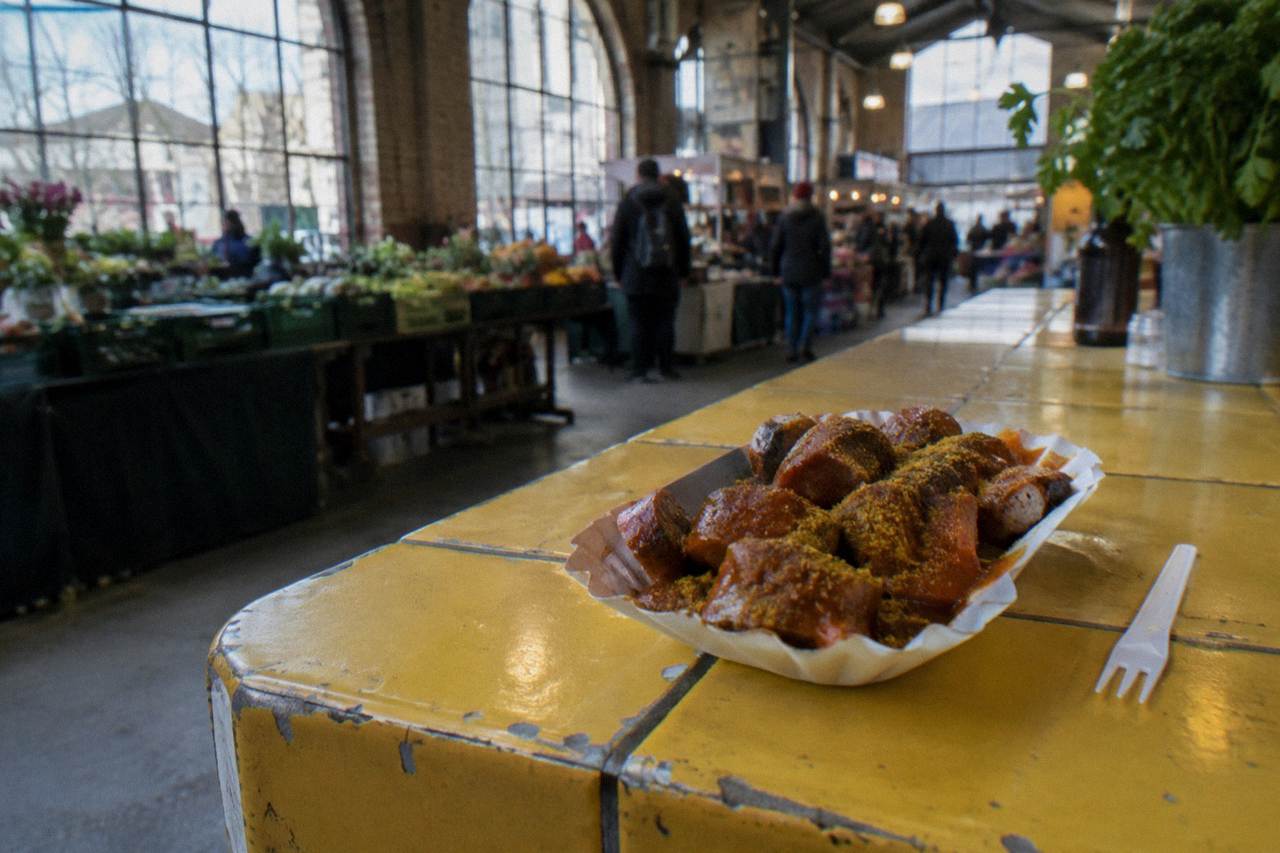
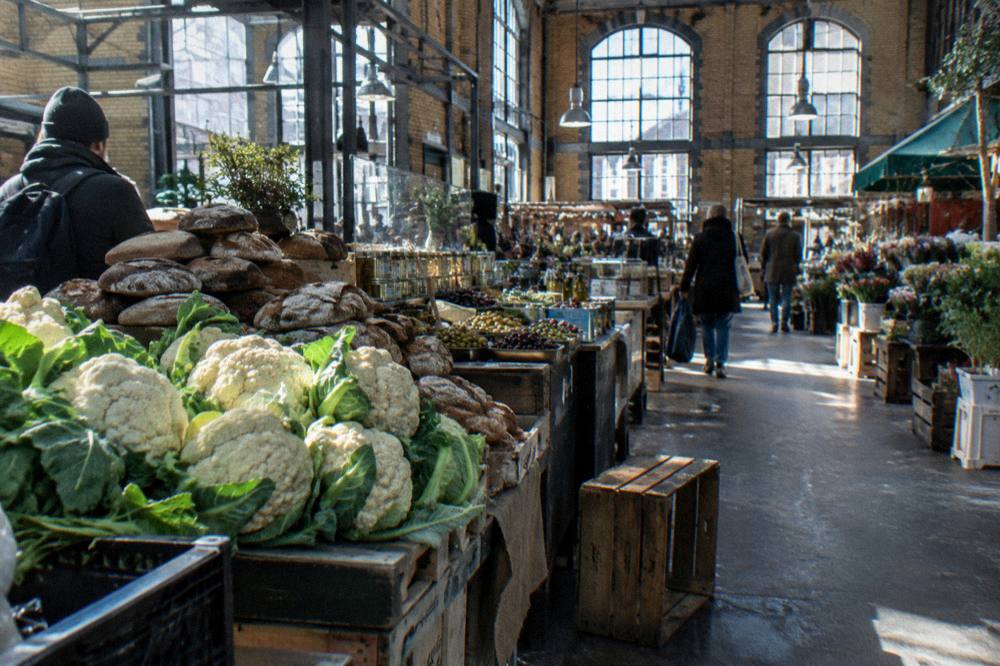
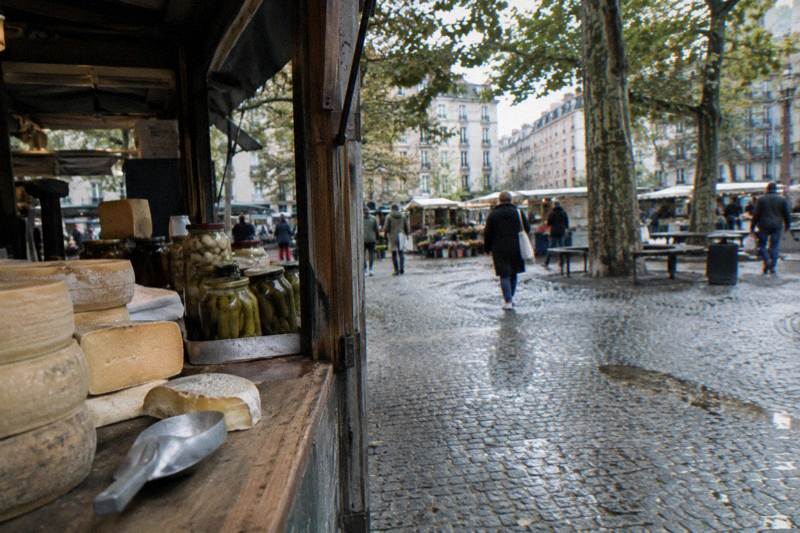
The honest route to most of these dishes is a market or market hall: Markthalle Neun in Kreuzberg for street food, the Maybachufer Turkish market for produce and Döner-adjacent snacks, and Winterfeldtplatz for a classic weekly market, with currywurst stands scattered across every district of the city. Markthalle Neun is the flagship. Its Street Food Thursday runs every Thursday from 17:00 to 22:00, with the operator currently listing 5, 19 and 26 November 2026 among the confirmed dates, and 12 November notably absent from the calendar, so check the official Street Food Thursday page before planning a Thursday around it. The hall's history and the full eating strategy are covered in the Markthalle Neun guide.
| Venue | When | What it is best for |
|---|---|---|
| Markthalle Neun, Kreuzberg | Street Food Thursday 17:00 to 22:00, weekly | Rotating street food vendors, international and Berlin dishes |
| Maybachufer Turkish market | Tuesday and Friday 11:00 to 18:30 | Produce, cheese, olives, flatbread, market snacks |
| Winterfeldtmarkt, Schöneberg | Wednesday morning and Saturday until 16:00 | Classic weekly market, regional produce and flowers |
| Currywurst stands citywide | Currywurst, Boulette, fries |
Note that the Maybachufer market closes on public holidays. Winterfeldtmarkt's Saturday is the safer of its two market days to plan around if you are only in the city for a weekend.
Berlin Food Walk Prices Compared
Starting prices per person for the four guided walks
A guided option covers this ground directly. The Berlin: Markthalle Neun Guided Food Tour with Craft Beer runs about two and a half hours from $97; the format pairs the hall with a beer stop and suits anyone who wants the market explained rather than decoded alone.
Getting between these venues is cheap. A single BVG ticket for zones AB costs 4,00 EUR and is valid for 120 minutes including changes and interruptions, per BVG's single-ticket price table. Children from 6 to 14 travel reduced at 2,50 EUR in the same zones, which matters for families planning a market day with kids in tow.
Which Food Walk Pairs Best With A Dish Hunt?
If your goal is to taste the classics rather than research them one by one, a three-hour guided walk is the efficient answer: the street food walk from $75 covers kebab and more street snacks, the Mitte walk from $90.01 with 1,583 reviews covers currywurst and Döner, and the Döner tour from $51 goes deep on a single dish. The difference between them is focus. A multi-dish walk trades depth for breadth, sampling several snacks in a single loop. A single-dish walk does the opposite: the Berlin: Döner Kebab Tour & Sightseeing runs about three hours from $51, rated 4.9 across 57 reviews, and walks past historical sites with gourmet kebab stops built in along the route.
| Walk | Duration | Price | Reviews |
|---|---|---|---|
| No Diet Club Street Food Walk | ~3 hours | from $75 | 4.8 across 403 reviews |
| Markthalle Neun, Craft Beer | ~2.5 hours | from $97 | no reviews yet |
| Berlin: Mitte District Food Tour with 7 Tastings | ~3 hours | from $90.01 | 4.9 across 1,583 reviews |
| Berlin: Döner Kebab Tour & Sightseeing | ~3 hours | from $51 | 4.9 across 57 reviews |
The Mitte option deserves a mention for first-timers specifically because the neighborhood concentrates the old city-center food culture. The Berlin: Mitte District Food Tour with 7 Authentic Local Tastings runs about three hours from $90.01 and is the most reviewed walk of this type, rated 4.9 across 1,583 reviews, which makes it a reasonable default when you do not want to comparison-shop for hours before lunch.
Readers weighing the formats against each other can start from the guide to which Berlin food walk to book or the cost breakdown at what a Berlin food walk costs. Both pages carry current prices and details of what each ticket includes, from the number of tastings to whether drinks sit inside the price.
How Do You Eat Like A Local In Berlin?
Eat like a Berliner by keeping cash in your pocket, grabbing snacks standing at counters, sitting down to dinner late, and spending Sunday mornings at a bakery or market. Nobody here fusses over which fork goes with which dish, so relax, follow the locals, and enjoy the food. Berlin's food culture is informal to a degree that surprises visitors expecting German formality. Currywurst is eaten with a wooden or plastic fork off a paper tray. Döner is eaten while walking, one hand free, eyes on the sauce. Soljanka arrives with a dollop of cream stirred in and a bread roll on the side. Nobody cares how you hold anything, but a few local habits are worth adopting anyway, because they make the difference between a smooth food day and a frustrating one.
First, Sundays are different. Ordinary shops close, so a Sunday food plan means bakeries in the morning until 16:00, station supermarkets, restaurant visits, or a market that happens to fall on the day. Second, cash still matters at stands and market stalls even as card payment spreads, so carry some euros in coins and small notes. Third, the big weekly rhythm matters more than any single venue: Tuesday and Friday for Maybachufer, Thursday evenings for Markthalle Neun, Saturday morning for Winterfeldtmarkt. Plan around the rhythm and the city feeds you; ignore it and you will find shuttered stalls and a long walk to the next open kitchen.
For plant-based visitors, the classics translate better than you might expect. The city's vegan scene is one of Europe's largest, and several of the dishes above, including currywurst and Boulette, have convincing vegan versions at dedicated spots around Mitte and Neukölln. The Berlin vegan food walk guide covers that angle, and there is a dedicated walk in that category too: the Berlin: Vegan Food Tour with 4+ Tastings runs about two and a half hours from $98, rated 4.8 across 31 reviews.
None of this requires expertise. It requires a short list, the right day of the week, and comfortable shoes. A guided walk simply hands you all three at once, with someone who knows which counter to stand at and what to ask for when you get there, which is why so many first visits end with one.
Common Questions About What To Eat In Berlin
What Is The Most Famous Food In Berlin?
Currywurst. The sliced sausage with spiced tomato sauce and curry powder was born in the city in the post-war years and is sold from stands in every district. Döner kebab, in its modern form widely credited to Turkish guest workers in West Berlin, is its only serious rival for the title.
What Should I Eat In Berlin For The First Time?
Currywurst, Boulette, Döner kebab and a Berliner pastry, with Soljanka if you are in the eastern half of the city and Eisbein if you want a sit-down classic. A three-hour guided tasting walk from $75 covers several of these in one outing.
Is Berlin Food Expensive?
The traditional snacks are not. Stand food and market food are built to be cheap, and a guided walk bundles multiple tastings from $75 per person, or from $51 for the Döner-focused tour. Exact dish prices vary by stand and are not published here.
What Food Is Berlin Known For Besides Sausage?
Soljanka, the sour East Berlin soup; Turkish dishes from the Maybachufer market and Kreuzberg; Vietnamese food, concentrated around the Dong Xuan Center; and a large vegan scene with its own dedicated food tour.
Can I Try Several Traditional Dishes In One Day?
Yes. A guided walk is the simplest route: the Mitte tour builds seven tastings, currywurst included, into one route, and the street food walk covers kebab, tacos and a pastry. Doing it alone works too if you plan around market days, especially Street Food Thursday at Markthalle Neun.