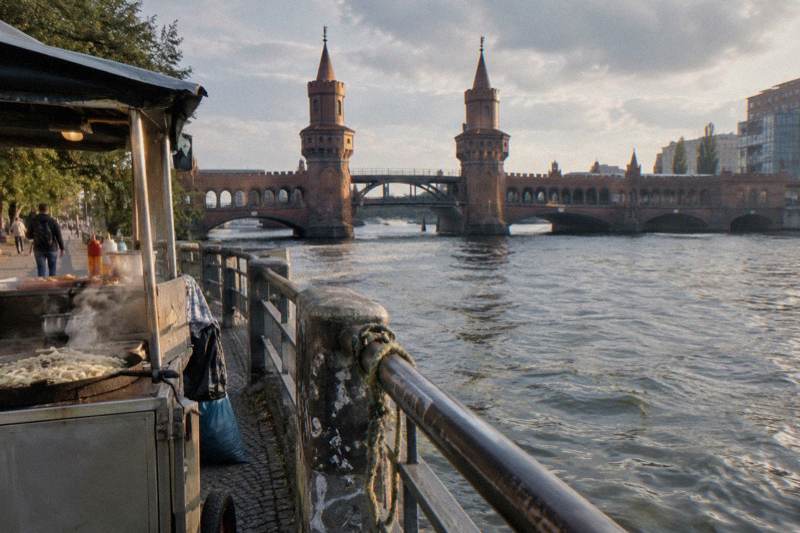
Kreuzberg Food Walk: Doner, Turkish Market And Street Food
Kreuzberg packs doner stands, the Turkish market at Maybachufer and a cluster of street food kitchens into a few walkable blocks, which is why so many guided food routes in Berlin end up here.
Short answer
A Kreuzberg food walk usually covers doner kebab, Turkish market stalls at Maybachufer and street food around Markthalle Neun in about 3 hours. Guided options run from $51 per person for a doner and sightseeing tour to $118 for a hidden flavors walk. The market itself costs nothing to enter.
Kreuzberg sits south of the Spree and west of the Ostkreuz railway junction, and no other Berlin district concentrates this many food cultures into so few streets. Turkish grocers and bakeries line Wrangelstrasse and Oranienstrasse, the Türkenmarkt spreads along Maybachufer twice a week, and the street food scene around Markthalle Neun draws crowds every Thursday evening. A walk that strings these together covers the district's whole food story in an afternoon. This guide lays out the route, the signature stops, what a guided tour adds over going alone, and what the bookable options cost. If you want to know exactly which streets mark the edges of this Turkish quarter, our guide to finding Little Istanbul in Berlin maps the neighborhood street by street.
The doner kebab as a handheld sandwich is widely credited to Turkish guest workers in Berlin in the early 1970s, though no single inventor claim holds up as established fact. Either way, the dish and this district grew up together, and Kreuzberg remains the place where the bread, the meat and the sauces are argued over most seriously. For the fuller backstory, the Berlin doner kebab tour guide traces the origin story stop by stop.
What Makes Kreuzberg The Best District For A Food Walk In Berlin?
Kreuzberg works as a walking food route because the stops link up on foot: the Turkish market at Maybachufer, the doner and gemüse kebab stands near Mehringdamm, the Vietnamese and Middle Eastern kitchens around Görlitzer Park, and Markthalle Neun all fit one afternoon. No other Berlin district stacks this variety into comparable proximity.
The district's food map is a direct product of its migration history. Turkish families settled here in large numbers during the post-war guest worker era, and the retail landscape that followed, butchers, bakers, grocers and tea rooms, created the dense strip of Turkish businesses that locals still call Little Istanbul. Later waves added Vietnamese kitchens, Middle Eastern grills and a wave of young snack concepts. Walking Kreuzberg means crossing three or four of these food cultures in a single kilometer.
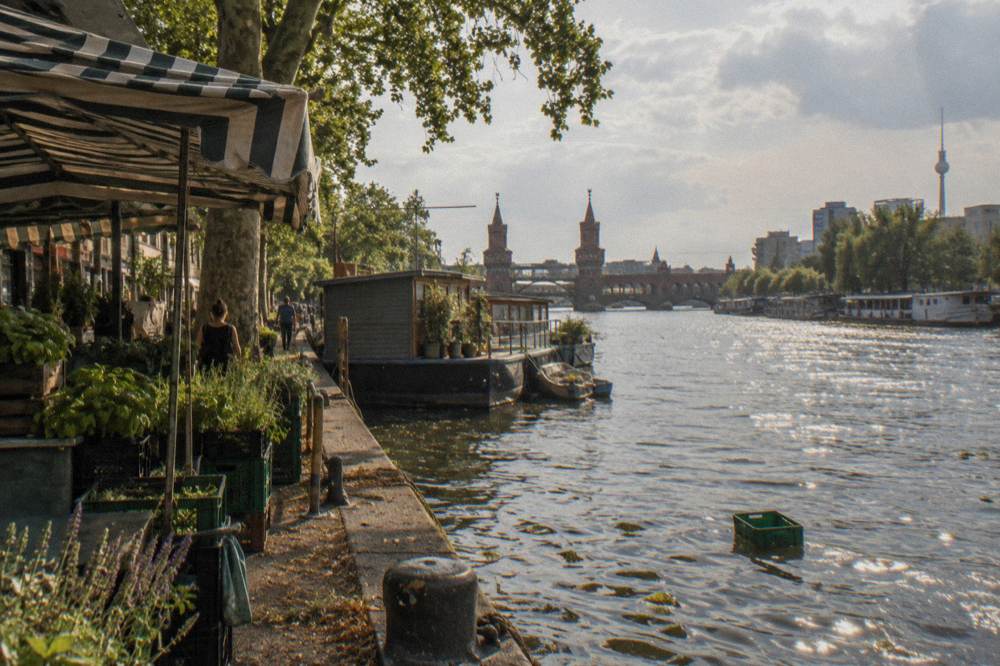
The geography helps. The Landwehr Canal cuts through the middle, and the market at Maybachufer runs right along its bank, so the walk naturally alternates between water, market stalls and side streets. From the market, Mehringdamm and its famous kebab stands are a short U-Bahn hop away, and from there Markthalle Neun in Kreuzberg's Eisenbahnstrasse is another quick ride east. Slope, canal and viaduct keep the route visually varied even between bites.
Pacing matters more than distance. A self-guided walker who stops at four or five places, buys something small at each and keeps moving finishes comfortably in three hours. Guided tours follow the same logic but remove the guesswork, because the guide already knows which stall has the freshest borek that day and which döner shop cuts its meat to order. The booking pages describe most guided versions as roughly 3 hours, which matches the natural rhythm of the district.
Which Stops Belong On A Kreuzberg Doner And Street Food Route?
A complete Kreuzberg route has four anchors: the Türkenmarkt at Maybachufer on a Tuesday or Friday, a döner or gemüse kebab stand in the Mehringdamm or Wrangelstrasse area, a sit-down Turkish or Middle Eastern stop such as a goezleme or muezzin tea room, and a final street food stop, with Markthalle Neun the classic finish on a Thursday evening.
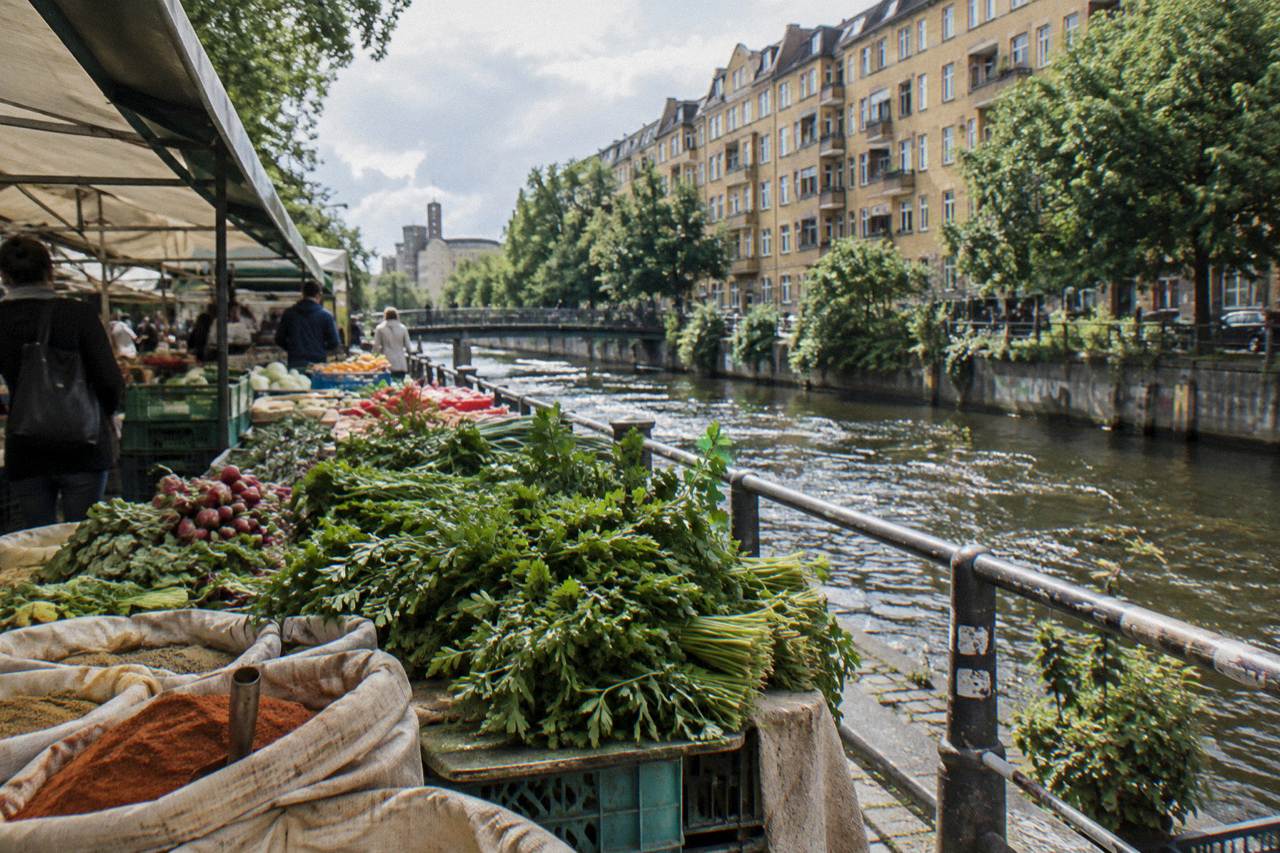
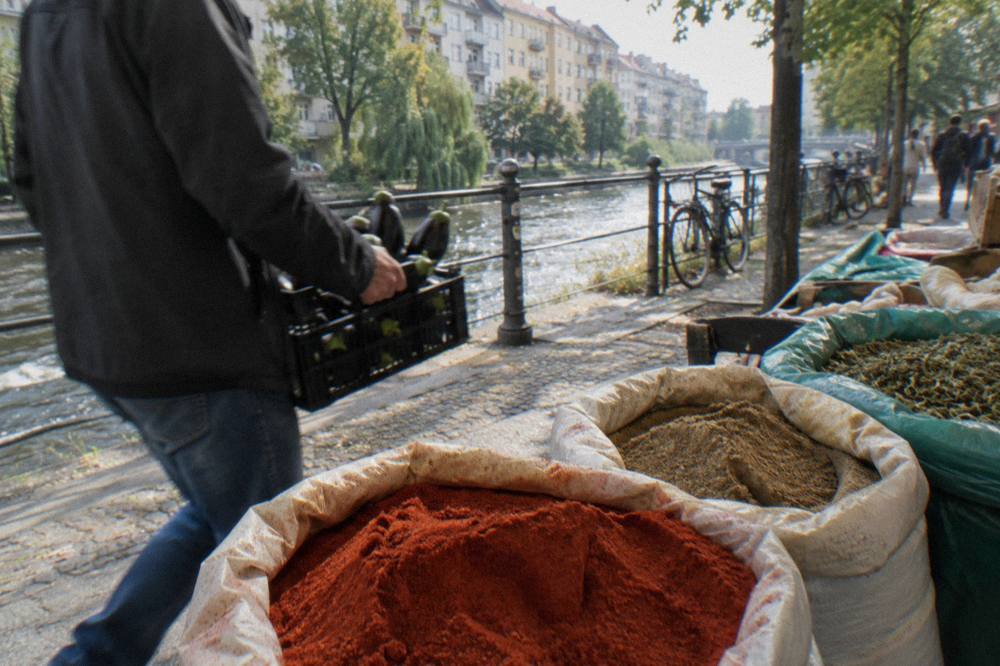
Start, if your day allows, at the market. The Türkenmarkt at Maybachufer runs Tuesday and Friday from 11:00 to 18:30, and it is the closest thing Berlin has to an Istanbul street bazaar: crates of peppers, barrels of olives, trays of baklava and vendors calling prices in Turkish and German alike. The hours come from a local news publisher citing the market's operator, so treat them as listed rather than guaranteed. The Maybachufer Turkish market guide covers what to buy and how the stalls are laid out.
From the market, the walk's second anchor is the kebab stand. The famous Mehringdamm stand is the one most visitors have heard of, a vegetable-packed gemüse kebab operation. Treat it as a famous stop with a known queue, not a guaranteed quick bite.
The third anchor is a seated stop. Kreuzberg's Turkish restaurants range from quick lunch rooms to proper dinner houses, and a route that includes one table service stop gives the walk a breather between the market and the evening. The fourth anchor depends on the day of the week. On Thursdays, Markthalle Neun hosts Street Food Thursday from 17:00 to 22:00, an event the hall's own page describes as running since 2013, with listed November dates including the 5th, 19th and 26th; the hall notes not every vendor attends every week. Other evenings, the snack bars and spati shops along Oranienstrasse and Skalitzer Strasse carry the route home.
Guided options compress the decision. The Berlin Döner Kebab Tour & Sightseeing starts at the Kulturbrauerei in Prenzlauer Berg at 17:00 and pairs a gourmet kebab stop with historical sites over roughly 3 hours, from $51 per person and rated 4.9 across 57 reviews. The Hidden Flavors of Kreuzberg & Neukölln walk is a roughly 3 hour tasting route from $118 with 9 reviews so far. A street-food-first alternative is the guided street food tour with tastings, from $75 and rated 4.8 across 403 reviews, though it meets at Torstrasse in Mitte and wanders that district rather than Kreuzberg.
The table below compares the guided walks that cover this district or its signature dish, plus one Mitte alternative, using only the figures each booking page carries.
| Tour | Duration | Rating and reviews | Price basis |
|---|---|---|---|
| Berlin Döner Kebab Tour & Sightseeing | ~3 hours | 4.9 across 57 reviews | from $51 per person |
| Hidden Kreuzberg and Neukölln | ~3 hours | 9 reviews, too few for a rating claim | from $118 per person |
| Guided Street Food Tour with Tastings (Mitte) | ~3 hours | 4.8 across 403 reviews | from $75 per person |
| Premium Kreuzberg Food Walk | ~3 hours | 4.6 across 831 reviews | from $561 per group |
| Markthalle Neun, Craft Beer | ~2.5 hours | no reviews yet | from $97 per person |
Note the basis on the fourth line: the Kreuzberg Culinary Food Tour is priced per group of up to 10, not per person, so the per-head cost falls as the group fills. The Markthalle Neun tour has no reviews yet, so no rating claim belongs next to it.
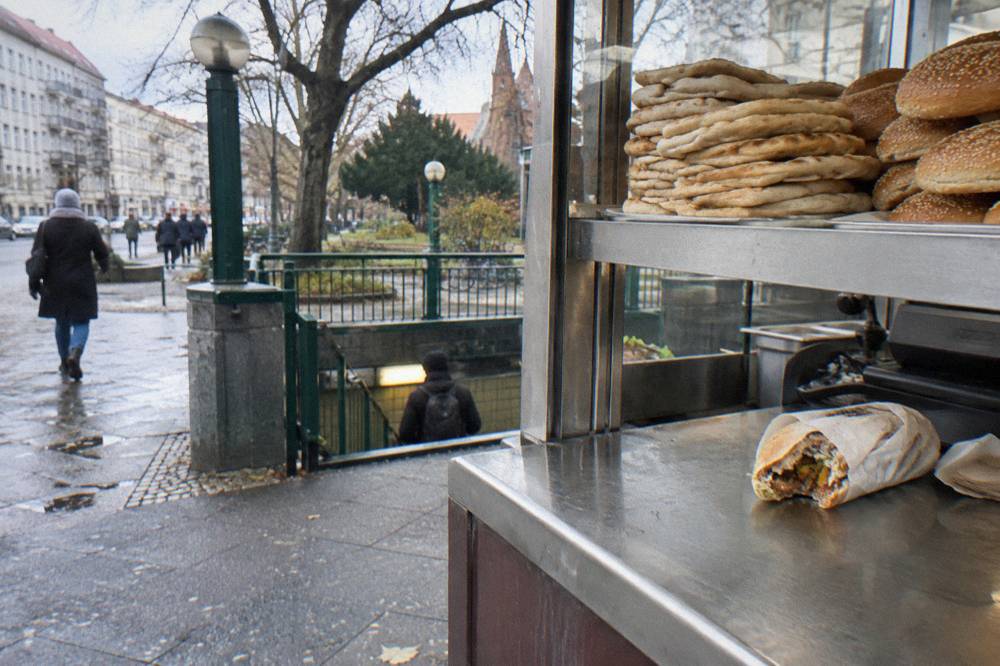
How Much Does A Kreuzberg Food Tour Cost?
The döner and sightseeing tour, an evening walk in Prenzlauer Berg, starts at $51 per person, tasting walks run $75 to $118, and the full Kreuzberg culinary tour reaches $561 per group of up to 10, where the total is split across the group rather than charged per head.
The cheapest entry point is the döner route, which leans on one iconic dish plus historical commentary rather than a long tasting chain. The mid-range options, the $75 street food tour and the $118 hidden flavors walk, include multiple tastings and are priced per person. At the top, the per-group tour suits families or friend groups of six or more, because split across ten people it lands near the cheapest per-person walks, while a couple would pay more per head than any alternative.
What the price buys varies more than the numbers suggest. Some walks include a full meal's worth of tastings; others include a handful of small bites and expect you to top up. The booking page for each tour lists the exact inclusions, and that list, not the price, is the real comparison. Duration is fairly uniform at roughly 3 hours, so the spread is mostly about group size, tasting count and how much history comes with the food.
For anyone building the walk alone instead, the fixed costs are low. A single BVG ticket for zones AB costs 4,00 EUR and is valid for 120 minutes including changes, per BVG's single-ticket price table, and a child between 6 and 14 travels reduced at 2,50 EUR. Individual dish prices vary from stand to stand; plan on spending at each stop what the menu on the wall says.
Whether the guided premium is worth it depends on the day. On a Thursday evening when Street Food Thursday fills Markthalle Neun, the market hall's own page is the schedule source, a guide who knows which lines move fastest earns their fee quickly. On a quiet Tuesday morning at Maybachufer, a confident solo walker with a shortlist may do just as well.
What Does A Guided Walk Add Over Exploring Kreuzberg Alone?
A guided Kreuzberg walk adds three things a solo route cannot easily replicate: vendor relationships that get you to the right stall at the right hour, historical context connecting the food to the district's migration story, and a fixed tasting plan that removes the risk of filling up at the second stop. The trade-off is schedule rigidity and a higher price per bite.
The vendor relationship is the quiet advantage. Guides who run the same route weekly know which borek comes out of the oven at which hour and which market stall will cut a taste of cheese without a purchase. Solo walkers can replicate some of this by visiting at peak freshness times, mid morning at the market, early evening at the kebab stands, but the first-visit penalty is real: the most famous stops are also the ones with the least patience for deliberation.
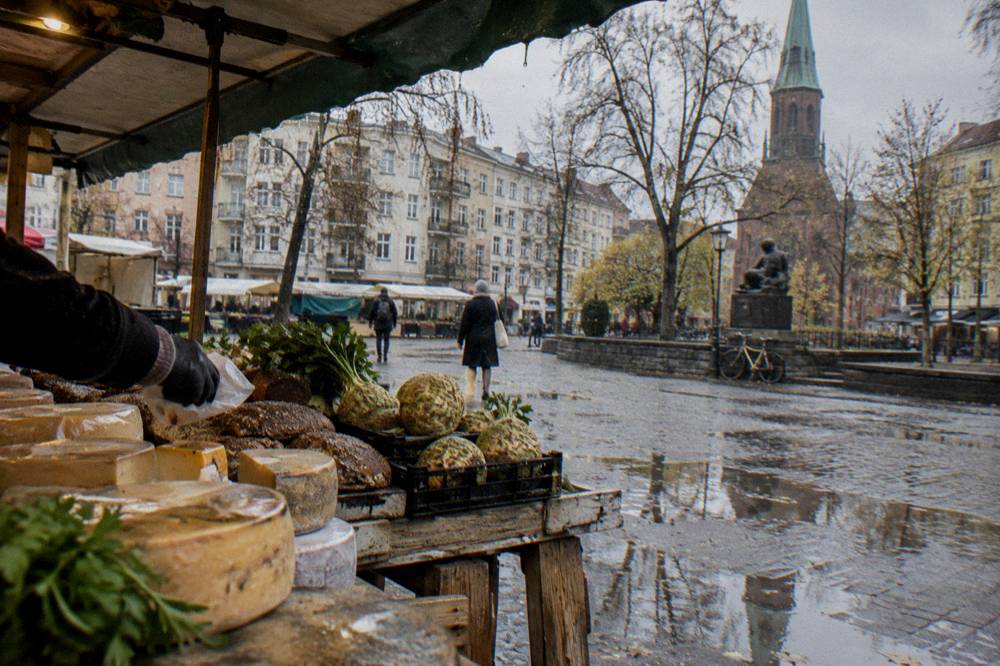
History is the second add. Kreuzberg's food is inseparable from its story of guest workers, squat culture and gentrification, and a good guide threads that narrative between stops so the district reads as one long argument about belonging, expressed in bread and sauce. The döner tour sold here leans into exactly this, pairing its gourmet kebab stop with historical sites on an evening route through Prenzlauer Berg, and its 4.9 rating across 57 reviews suggests guests value the commentary as much as the food. The trade-off is tempo: a guided 3 hours covers fewer spontaneous detours than a self-directed 3 hours.
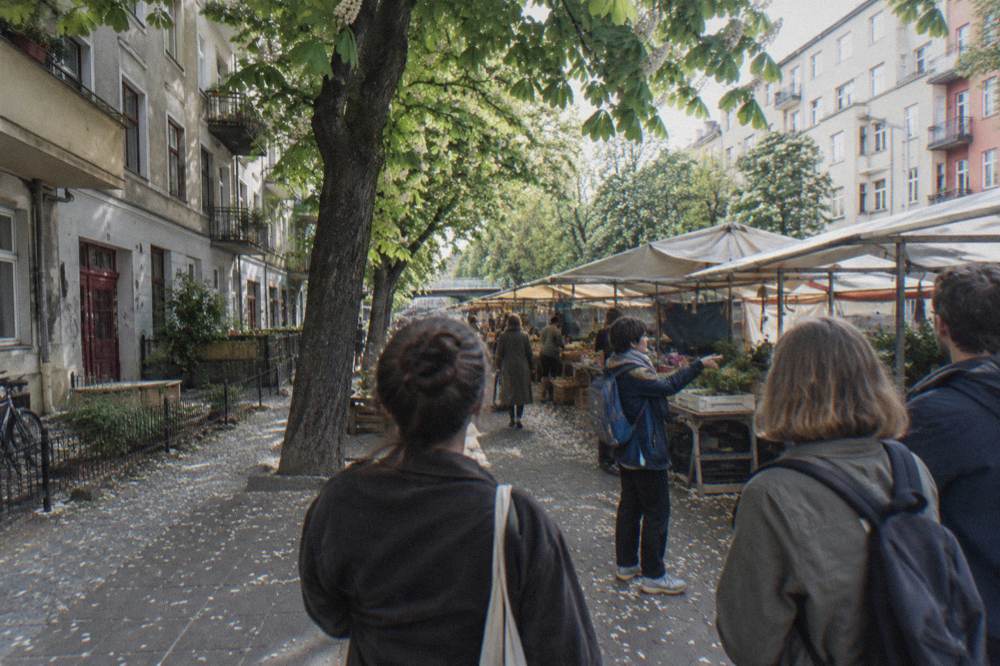
The third add is pacing discipline. Left alone, most walkers order too much at the first two stops and crawl the rest of the route. A tasting plan with small portions at each stop keeps appetite and curiosity aligned to the end. This is also where the premium tasting tours earn their price: the Hidden Flavors of Kreuzberg & Neukölln walk focuses on places a first-time visitor would walk past, though with only 9 reviews so far its track record is still thin compared with the 403 reviews behind the $75 street food tour.
| Route element | On a guided walk | Walking alone |
|---|---|---|
| Stop selection | Chosen by the guide, tasting-sized portions | Your own shortlist, full portions at will |
| Timing | Fixed start, roughly 3 hours total | Flexible, market days still dictate the calendar |
| History and context | Included in the commentary | Whatever you research in advance |
| Cost structure | One per-person or per-group price | Transport plus whatever you buy |
| Best for | First visits, tight schedules, food-plus-history interest | Repeat visitors, dietary restrictions, slow walkers |
When Is The Best Day And Time To Walk Kreuzberg For Food?
Tuesday and Friday suit the market-first route, because the Türkenmarkt at Maybachufer runs 11:00 to 18:30 those days; Thursday suits the street food finish, because Markthalle Neun's Street Food Thursday runs 17:00 to 22:00. Midweek mornings are quieter overall, and Sunday limits you to restaurant stops because the weekly markets rest.
The calendar drives everything here. Arrive on a Wednesday and the Maybachufer market is gone, replaced by an ordinary canal-side street; arrive on a Friday and the same stalls run until 18:30. The market hours are reported by a local news publisher citing the operator, so check before committing a whole morning. Winterfeldtmarkt on Winterfeldtplatz, a short ride west, runs Wednesday mornings and Saturday until 16:00 per visitBerlin's market page, if you want a second market on a Kreuzberg off-day.
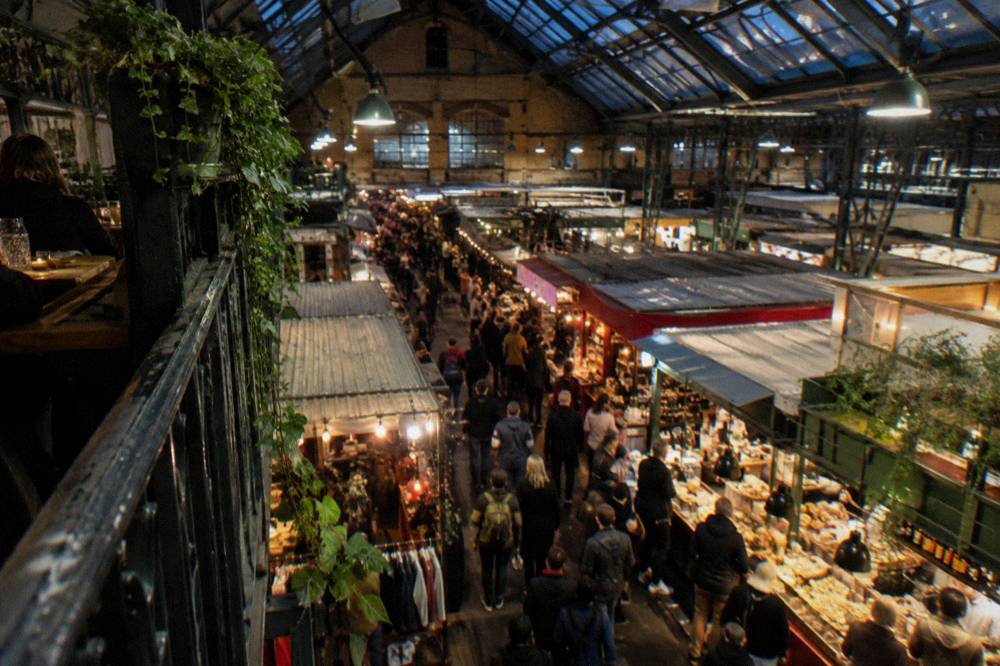
Time of day shapes the food as much as the crowds. Market stalls are fullest and freshest in the late morning; kebab stands hit their stride from late afternoon as the spit turns and the evening trade builds; the street food hall only comes alive after 17:00 on Thursdays. A route that starts at the market around noon, pauses mid afternoon, and finishes at Street Food Thursday hits every layer at its best. Visitors curious about the wider calendar, including the Grüne Woche food fair scheduled 15 to 24 January 2027, can find more in the Berlin food markets and halls guide.
Weather is a mild consideration, not a blocker. The Deutscher Wetterdienst 1991 to 2020 normals for Alexanderplatz put November's mean at 5.6 C and December's at 2.5 C, with November averaging 42.0 mm of precipitation, so a winter walk wants a warm layer and a market hall finish rather than an open-air one. Summer months sit between 15 and 20.4 C on average, with July the wettest at 78.2 mm.
Seasonal events can hijack the best-laid route in a good way. The Lucia Christmas Market at Kulturbrauerei in neighboring Prenzlauer Berg runs 23 November to 22 December 2026 with free entry, and the Alexanderplatz Christmas market runs 23 November to 26 December 2026 daily 11:00 to 22:00, also free, if a December trip turns the walk into a longer food weekend. Neither is a food tour, but both add warm snack stops to a cold-weather itinerary.
How Do You Get To Kreuzberg And Between The Stops?
Kreuzberg needs no car: a single BVG AB ticket at 4,00 EUR covers 120 minutes of travel including changes, U1, U3, U6 and U8 stations plus several bus lines touch the district, and the stops from Maybachufer to Mehringdamm and Markthalle Neun link up on foot and by short U-Bahn hops.
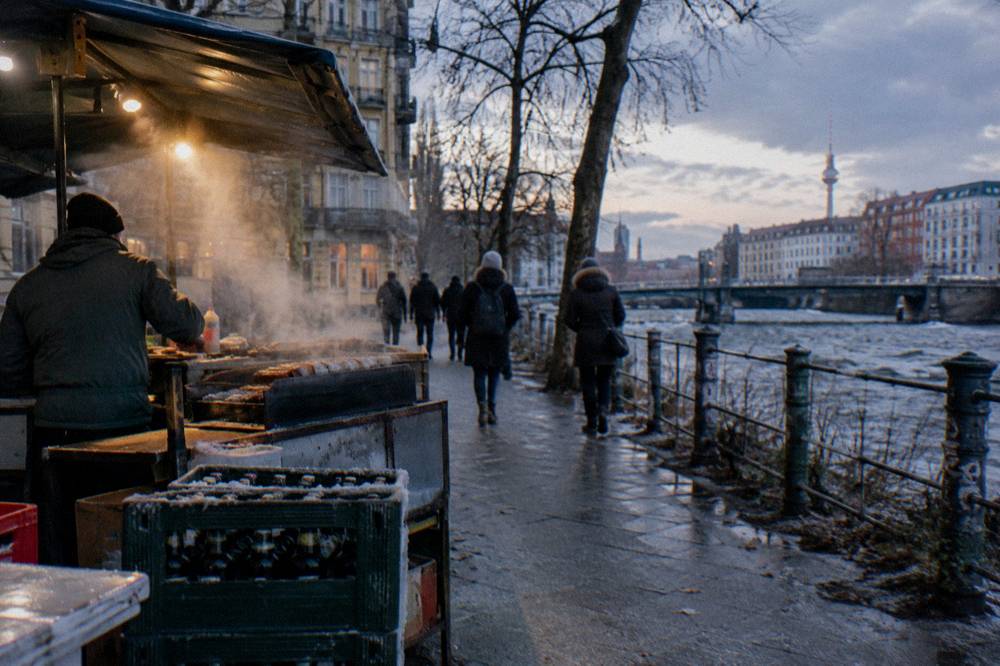
The U1 and U3 elevated line crosses the district along Skalitzer Strasse with stations at Görlitzer Bahnhof and Schlesisches Tor, both natural entry points for the eastern half. The U8 runs underground beneath Kottbusser Tor, the district's busiest hub, and the U6 stops at Mehringdamm, two minutes from the famous kebab stand. The market at Maybachufer is a short walk from either Kottbusser Tor or Schoenleinstrasse on the U8. Seven listings here rule out hotel pickup and the rest do not mention it, so plan to reach the stated meeting point yourself; the meeting points and what to bring guide covers the practical details.
For a day built around food, the transport spend is trivial next to the food spend. One AB single at 4,00 EUR, or 2,50 EUR reduced for a child aged 6 to 14, usually covers the entire outing, since the walking legs between stops replace most transit. A short stay that stacks several districts together may find the Deutschlandticket at 63 EUR per month, rising to 66,80 EUR in January 2027, cheaper than singles, but for a single Kreuzberg afternoon it is overkill.
Cycling is the other realistic option, though no bike tour is sold on this site. The canal-side paths and flat terrain suit casual riders, and parking a bike outside a market stall is easier than parking a car anywhere in Kreuzberg. Driving is the one choice to avoid: parking is scarce, and the whole point of the district's food geography is that it was built for walking.
| Journey | Best option | Notes |
|---|---|---|
| Alexanderplatz to Kottbusser Tor | U8 direct | Roughly 10 minutes, no changes |
| Hauptbahnhof to Görlitzer Bahnhof | S-Bahn to Warschauer Strasse, then U1 | Or U5 to U8 with one change |
| Maybachufer to Mehringdamm | U-Bahn | A short hop between the two stops |
| Mehringdamm to Markthalle Neun | U-Bahn | A short hop east to the hall |
| Any single journey in zones AB | BVG single ticket, 4,00 EUR | Valid 120 minutes, changes allowed, no return trips |
Meeting points for guided walks sit inside this same web. The döner tour's booking page gives its exact start point; the hidden flavors walk starts at Kottbusser Tor, so build your transit around that meeting point and check the listing for the end point. Check each listing's start location before booking, and build your transit around it.
Which Kreuzberg Food Walk Should You Actually Book?
Book the roughly 3 hour döner and sightseeing tour, from $51 per person, if the kebab story is the draw; the $75 street food walk in Mitte, rated 4.8 across 403 reviews, if breadth matters most; and the per-group Kreuzberg culinary tour at $561 for up to 10 if you are a larger group, where the per-head cost can undercut all but the $51 döner tour.
The decision usually comes down to depth versus breadth. The döner tour goes deep on one dish and its history, and its 4.9 rating across 57 reviews shows guests leave happy. The street food tour spreads across more kitchens on its Mitte route. The hidden flavors walk, from $118 with 9 reviews so far, is the connoisseur pick for people who have already eaten their way through the obvious stops, though its short review history means the evidence base is still building.
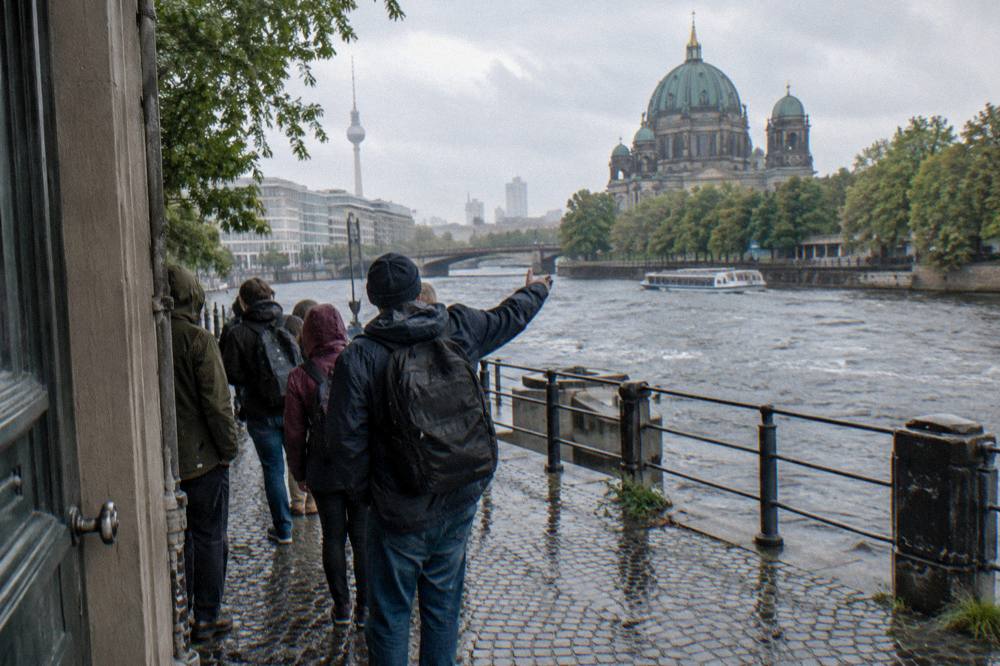
Families and groups should run the per-group arithmetic before anything else. At $561 for up to 10 people, the Kreuzberg Culinary Food Tour suits bigger groups, and its 4.6 rating across 831 reviews is the district's most-examined score. Couples and solo travelers get better value from the per-person options, and the what a Berlin food walk costs guide breaks the inclusions question down further.
Whatever you choose, the day-of mechanics stay the same: check the meeting point, buy the AB ticket, eat a light breakfast, and let the route run from market to kebab to market hall in whatever order the calendar allows. Kreuzberg does the rest.
The Mitte district food tour with 7 tastings, from $90.01 and rated 4.9 across 1,583 reviews, is the fallback if Kreuzberg dates sell out, since it covers a different district with the same tasting format. And if you want to try the stalls solo first, the Berlin street food guide sorts the worthwhile from the skippable before you commit to either plan.
Common Questions About Kreuzberg Food Walks
What Makes Kreuzberg The Best District For A Food Walk In Berlin?
Its density. The Turkish market at Maybachufer, the famous kebab stands around Mehringdamm, and the street food cluster near Markthalle Neun all sit within a compact walkable area, so one afternoon crosses Turkish, Vietnamese and modern snack cultures with at most a short transit leg between stops.
How Much Does A Kreuzberg Food Tour Cost?
Guided options start at $51 per person for the doner and sightseeing tour, run $75 to $118 for tasting-focused walks, and reach $561 for the Kreuzberg Culinary Food Tour, which is priced per group of up to 10 rather than per person.
When Is The Best Day To Walk Kreuzberg For Food?
Tuesday or Friday for the Türkenmarkt at Maybachufer, which runs 11:00 to 18:30, and Thursday for Street Food Thursday at Markthalle Neun, 17:00 to 22:00. A Thursday that starts at the market is not possible, since the two events run on different days.
Is The Doner Kebab Really From Berlin?
The doner kebab served in bread as a handheld sandwich is widely credited to Turkish guest workers in Berlin in the early 1970s, but no single inventor is established as fact. The grilled meat itself predates Berlin by centuries; the sandwich format is the Berlin contribution.
Can You Do A Kreuzberg Food Walk Without A Tour?
Yes. A single BVG AB ticket costs 4,00 EUR and the stops are walkable. Buy small portions at each stop, time the market for late morning, and finish at a kebab stand in the early evening. A guide adds vendor knowledge and history, not access to places a solo walker cannot enter.
How Long Does A Kreuzberg Food Walk Take?
Most guided versions run roughly 3 hours, and a self-guided route with four or five stops fits the same window. Add time on Thursdays if Street Food Thursday is the finish, since the hall fills through the evening.