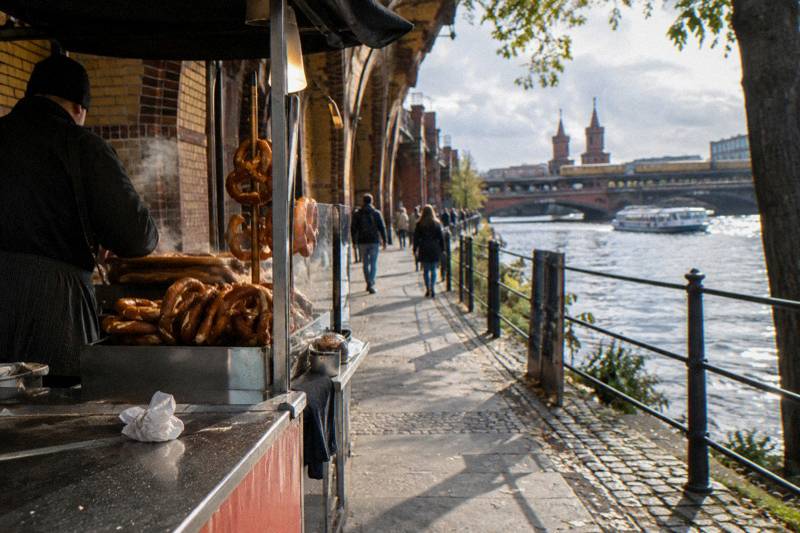
Meeting Points And What To Bring On A Berlin Food Walk
The booking is done, the day is free, and one question remains: where do you actually stand at the start, and what should be in your bag when you get there?
Short answer
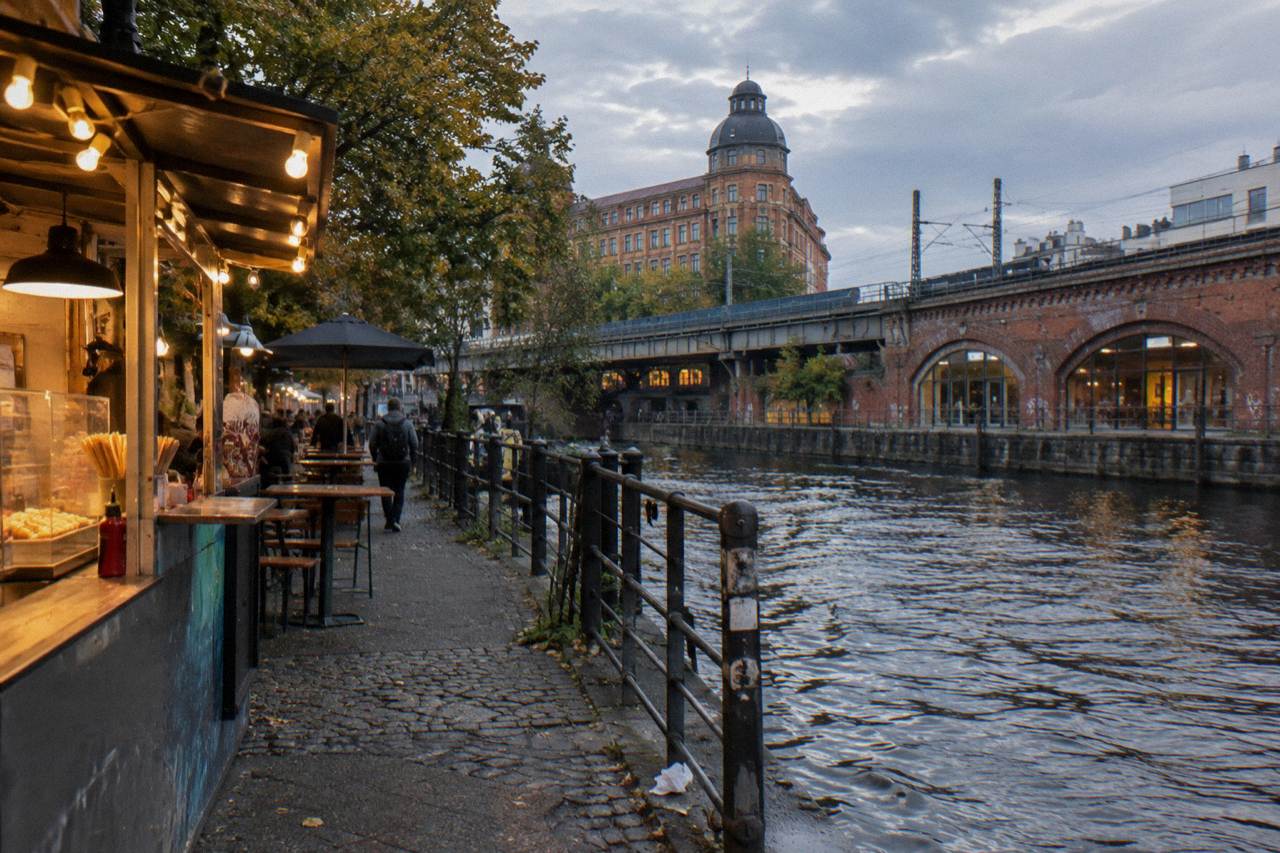
Most Berlin food walks meet at a named central point such as a square, market hall or U-Bahn station entrance, printed on the booking page; the meeting spot comes only from each tour's own listing. A BVG AB single ticket costs 4,00 EUR and is valid 120 minutes. Wear closed shoes, bring water, arrive 10 minutes early, and tell the operator about allergies before the day.
Berlin food walks mostly start the same way: a small group standing on a corner, everyone glancing at their phones, one person clearly overdressed for the weather. The practical details, where the group meets, how to get there, what to wear and what to leave at the hotel, decide whether the first twenty minutes of a walk feel calm or rushed.
Where Do Berlin Food Walks Usually Start?
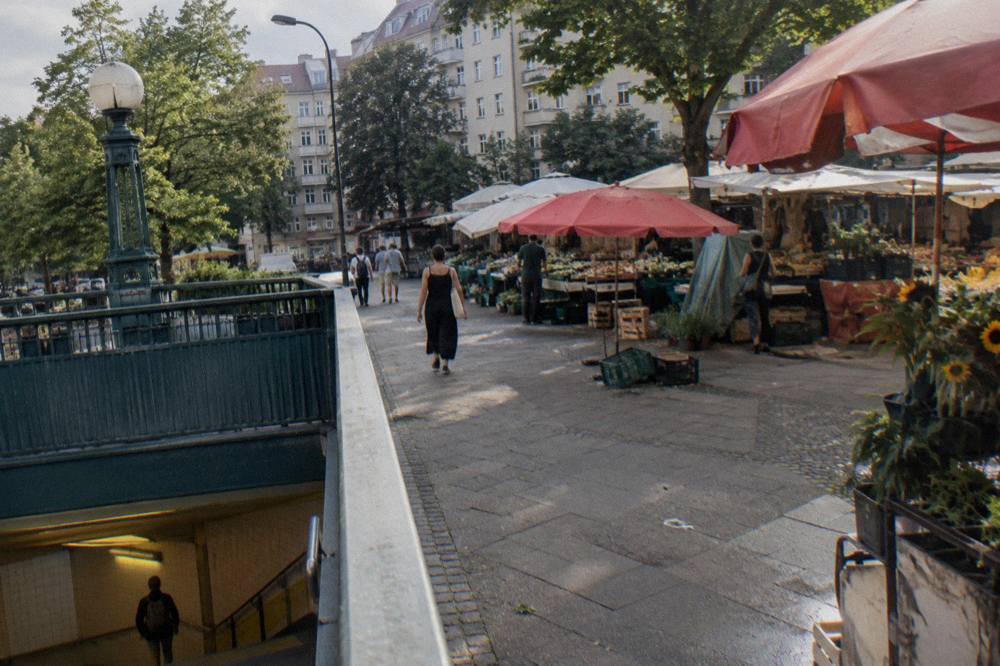
Most Berlin food walks meet at a named, findable point in the neighborhood being eaten through: a square, a market hall entrance, a well-known street corner or a U-Bahn station exit, with the exact address printed on the booking page for each specific tour. Seven listings here rule out hotel pickup and the rest do not mention it, so plan to reach the spot yourself. The reason is simple: a walk that eats its way through Kreuzberg or Mitte has to start inside that district, and a meeting point near the first tasting stop keeps the route tight. Details for each walk, the exact address, a map pin and a description of the guide, live on the operator's booking page, and it is worth opening that page the night before rather than guessing on the morning. Once you know where your walk begins, a day-by-day Berlin eating plan helps you figure out how long to stay and which food neighborhoods deserve extra time.
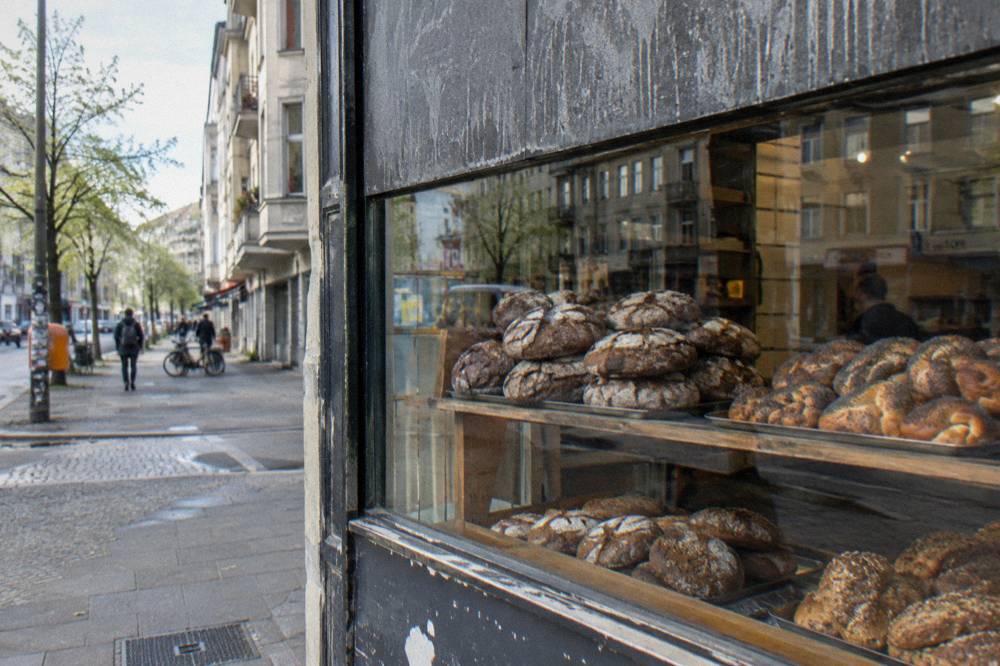
The pattern holds across the options. The Mitte District Food Tour with 7 Authentic Local Tastings, rated 4.9 across 1,583 reviews and priced from $90.01, meets in central Mitte, the district its route covers. Walks focused on Kreuzberg and Neukölln meet further south, so a guest staying near Alexanderplatz should budget transit time, not just walking time. The Berlin: Guided Street Food Tour with Tastings, from $75 and rated 4.8 across 403 reviews, starts on Torstrasse in Mitte, while the Hidden Flavors of Kreuzberg and Neukölln walk, from $118, meets at Kottbusser Tor further south. If two walks look similar in price and length, the meeting point is often the practical tiebreaker: the one that starts ten minutes from your hotel saves you a ticket and a transfer. Before you build the rest of your day around that meeting point, our guide on how walkable Berlin really is explains which districts you can comfortably cover on foot and where the U-Bahn saves you time.
| Walk | District of the route | Duration | Price basis | Rating and reviews |
|---|---|---|---|---|
| Mitte Walk, 7 Tastings | Mitte | ~3 hours | from $90.01 | 4.9, 1,583 reviews |
| No Diet Club Street Food Walk | Street food stops in Mitte | ~3 hours | from $75 | 4.8, 403 reviews |
| Hidden Flavors of Kreuzberg and Neukölln | Kreuzberg and Neukölln | ~3 hours | from $118 | 9 reviews |
| Downtown Walk, 8 Tastings | Central Berlin | ~3 hours | from $115 | 4.9, 407 reviews |
| BRLO Brewery, Budget Fare | Brewery site | ~1.5 hours | from $20 | 4.5, 788 reviews |
A short note on the last two columns: a tour with fewer than 15 reviews, like the Hidden Flavors walk with 9, has too small a pool for a star rating to mean much, so the count alone is printed. The brewery tour is included because it is the clearest example of a single-venue start: you meet at the brewery, not on a street corner. For a fuller comparison of routes, the Berlin food walk booking guide breaks the options down by neighborhood and budget.
How Do You Get To The Meeting Point In Berlin?
A single BVG ticket for zones AB costs 4,00 EUR, covers U-Bahn, S-Bahn, trams and buses, and stays valid for 120 minutes including changes; the ABC version for airport and Potsdam trips is 5,00 EUR, and reduced child fares are 2,50 EUR for AB. That single ticket is usually all a visitor needs between hotel and meeting point. It is sold at vending machines in every station, on buses, and in the BVG and Jelbi apps, so there is no reason to buy one in a panic at the platform edge. The official BVG single-ticket price table lists every zone and reduction.
Two fare facts are worth knowing if you are traveling around the New Year. VBB tickets rise by an average of 3.72 percent from 1 January 2027, though the Berlin AB single stays at 4,00 EUR and the four-trip AB ticket goes from 12,40 EUR to 13,20 EUR, per the city portal's report on the VBB decision. The Deutschlandticket, valid on regional transport nationwide, costs 63 EUR per month now and 66,80 EUR from 1 January 2027; details are on the official Deutschlandticket site. For a single afternoon walk the day ticket math rarely beats two singles unless you are making three or more trips.
| Ticket | Price | Validity | Best for |
|---|---|---|---|
| BVG Einzelfahrschein AB | 4,00 EUR | 120 minutes, changes allowed | One trip to the meeting point |
| BVG Einzelfahrschein ABC | 5,00 EUR | 120 minutes, changes allowed | Trips beyond Berlin's city edge |
| Reduced AB (children 6 to 14) | 2,50 EUR | 120 minutes | Kids on the walk |
| 4-trip ticket AB | 13,20 EUR from 1 Jan 2027 | Four single journeys | Several rides across a day |
| Deutschlandticket | 63 EUR, then 66,80 EUR from 1 Jan 2027 | One calendar month | Long stays with daily transit |
One planning habit pays off: check whether the meeting point is inside the AB zone, which nearly all Berlin walk starting points are. A Kreuzberg or Neukölln start is a straightforward U-Bahn ride from Mitte or Prenzlauer Berg, and a Mitte start is often walkable from hotels in that district. Guests heading to a walk straight from an arrival day should note that Sunday and holiday schedules run less frequently, and station supermarkets are the only kind open on Sundays, a quirk covered in the city's official shop opening hours rules.
What Should You Wear On A Berlin Food Walk?
Wear closed, comfortable walking shoes and layers you can shed, because a three-hour walk covers real distance on pavement, stands at counters rather than sitting at tables, and moves between warm kitchens and cold streets; Berlin's monthly mean temperatures swing from 1.5 C in January to 20.4 C in July. The shoe advice is not decorative. Food walks in Berlin are genuinely walks: routes thread through markets, side streets and food halls, and the walks listed here run about three hours, with the evening culinary tour stretching to roughly four. Sandals and fresh cobblestones are a bad pairing, and several stops involve standing while eating.
The layering advice comes straight from the climate record. According to the Deutscher Wetterdienst 1991 to 2020 normals for Alexanderplatz, summer monthly means reach about 20 C, and spring and autumn sit between 5.5 C and 15.5 C monthly means, so a light jacket earns its place in a bag for most of the year. Winter walkers face a mean of 1.5 C in January with roughly 17 frost days that month at the Tempelhof station, which means real gloves, a hat and a coat that works with a hand holding food. Rain falls steadily somewhere in every month of the year rather than in a dramatic season, so a compact umbrella handles most of it.
Dress codes do not exist at any stop on these routes; a food walk is a casual affair and nobody expects anything beyond weather sense. What does matter is pocket design. You will handle small items constantly: a transit card, a phone for photos, napkins, occasionally a fork. Clothes with usable pockets or a small cross-body bag beat a backpack you take off at every counter. The evening culinary tour, from $218.13 and rated 4.8 across 122 reviews, is the longest walk of the set at about four hours, so its guests feel the weather more than most.
How Hungry Should You Actually Arrive?
Arrive with an empty-ish stomach and no fixed dinner plan: a full food walk serves enough tastings to stand in for a meal, with the Mitte tour listing seven tastings and the Downtown tour listing eight across roughly three hours, so a hearty lunch beforehand turns stops four through seven into a wrestling match. The tasting counts are printed in the tour names themselves, which is honest advertising. Operators describe these as full meals in pieces, and the point of the format is to eat your way through a district rather than watch it. Skipping lunch on walk day is the single easiest way to get your money's worth.
There is a sensible middle path. A light breakfast or a small snack two to three hours before the start keeps you pleasant without filling the tank. Avoid the other extreme too: arriving having eaten nothing since the previous night, three hours into a walk, is when portion fatigue hits earliest and the last stops, often the sweet ones, get skipped. Pacing across the group is normal, and nobody finishes every sample at every stop. If you are booking an evening walk such as the four-hour Evening Culinary Tour, treat it as dinner outright and plan nothing after it except a slow walk home. The evening street food walk guide covers that after-dark format in detail.
| Walk | Tastings or stops listed | Duration | How to arrive |
|---|---|---|---|
| Mitte District Food Tour | 7 tastings | ~3 hours | Light lunch at most, skip dinner plans |
| Downtown Food Tour | 8 tastings | ~3 hours | Empty-ish, this is a full meal |
| No Diet Club Street Food Walk | Multiple street food stops | ~3 hours | Moderate hunger, street portions add up |
| Hidden Flavors of Kreuzberg and Neukölln | Multiple stops | ~3 hours | Normal appetite, smaller group pacing |
Drink matters as much as food. Carrying your own water bottle covers the gaps between stops, especially from June to August when means sit at 18.4 to 20.4 C. Alcohol is part of several walks: the craft beer options pair tastings with a snack, and guests who prefer to skip drinks should say so at booking rather than at the first pour.
What About Allergies And Dietary Needs?
Tell the operator about allergies and dietary needs at booking, not on the day, because kitchens prep portions in advance and a guide can usually swap a stop or a dish when warned ahead, while a surprise allergy mid-walk can only be worked around, not resolved. Vegetarian guests are broadly well served in Berlin, and the city's vegan scene is deep enough that a dedicated Vegan Food Tour with 4+ Tastings exists, from $98 and rated 4.8 across 31 reviews, which is the cleaner choice for strict diets than hoping a general walk bends far enough.
The distinctions matter. Vegetarian is easy on nearly every route; vegan is usually possible with notice; halal and gluten-free depend heavily on the specific stops, and cross-contamination in a busy kitchen is a real limit no guide can promise around. Nut allergies deserve the bluntest warning of all: street food environments handle nuts in open containers next to other prep, so an airborne or trace-level allergy should be raised with the operator before paying, and the honest answer may be that a different walk, or a private format where the route bends around you, fits better. A private food walk in Berlin is exactly the format allergy households tend to choose for that reason.
Small groups make dietary handling easier in practice. On the Hidden Flavors of Kreuzberg and Neukölln walk, from $118, the guide has room to adjust; a walk of thirty makes individual swaps slower. Whatever the format, put the allergy in writing at booking, repeat it verbally to the guide at the meeting point, and carry any personal medication. That three-step routine is standard advice and it has not changed in years for good reason.
What Should Go In Your Bag?
Pack small and flat: a refillable water bottle, a compact umbrella or light rain layer, a phone with the booking confirmation and an offline map, your transit ticket or app, and any personal medication; leave behind large backpacks, bulky shopping bags and anything you would need both hands to protect, because counters are tight and hands stay busy. A food walk is a low-equipment activity. The bag you want fits under an arm at a crowded market stall and does not need guarding.
The phone deserves a specific note. Confirmation emails sometimes need showing at the meeting point, so a screenshot of the booking, with the meeting address, beats hunting for signal outside a U-Bahn exit. An offline map of the district helps if you peel off from the group at the end, which many guests do to revisit a favorite stop. Cash is a diminishing need since the tastings are prepaid, but a few euros of small change covers a spontaneous extra at a market stall, and nothing on this list requires more than that.
| Item | Why | When it matters most |
|---|---|---|
| Water bottle | Gaps between stops | June to August |
| Compact umbrella | Steady year-round rain | All year |
| Screenshot of booking | Meeting point and confirmation | Every walk |
| Transit ticket or app | Getting to the start | Starts outside walking range |
| Medication and allergy card | Emergencies move faster with information | Allergy households |
| Small change | Spontaneous extras at stalls | Market-based routes |
Seasonal additions are minimal. In winter, add gloves you can eat in, meaning fingerless or thin ones, and a hat; in summer, sunscreen for stretches of open pavement. Nothing else earns its weight. A camera beyond the phone is a matter of taste, but the best food photos on these walks are taken in the first thirty seconds after a plate lands, and a phone is faster.
When Should You Arrive, And What If You Are Running Late?
Aim to reach the meeting point ten minutes before the stated start, because guides hold the group only briefly before moving to the first stop, and a walk that begins elsewhere is far harder to find than a stationary one; if you are late, message the operator's contact from the booking page immediately, since many guides can send the first stop's location to a phone. The ten-minute buffer absorbs the two common failure points: station exits that have more than one street level, and squares that have more than one plausible corner. Both are Berlin specialties.
Punctuality matters more on a food walk than on a sightseeing tour because the schedule is anchored to external opening hours, not to a monument that waits. A market hall stop or a stand with a prep window cannot slide by twenty minutes. Groups that start on time keep that rhythm. Practical preparation starts with knowing your start point's exact address from the booking page the night before, so screenshot it while you still have hotel wifi.
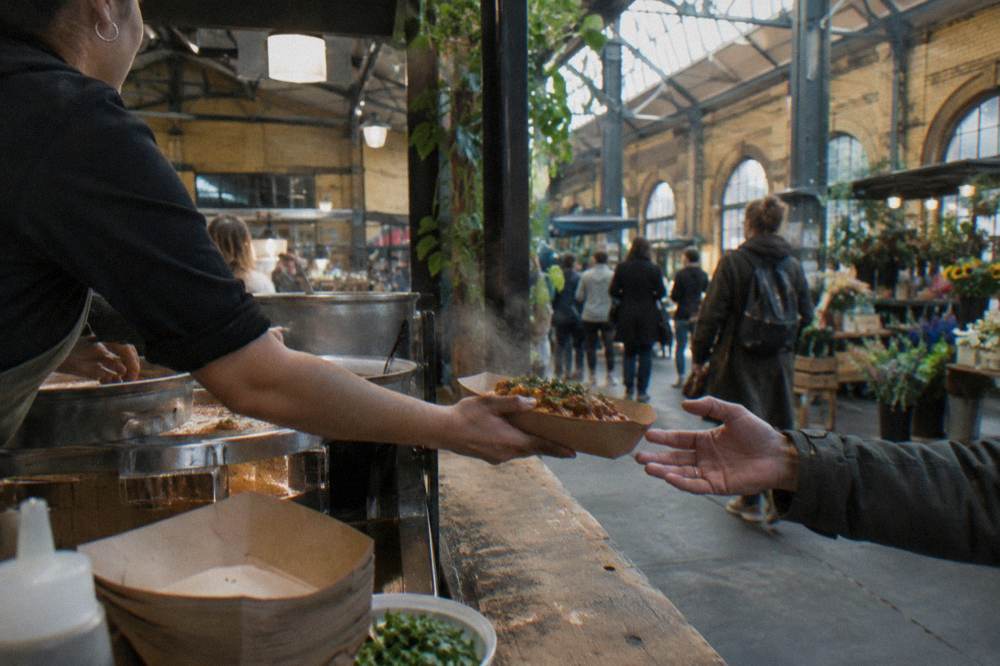
Late arrivals who cannot reconnect should know the honest rule: most operators treat a missed start as a no-show, and refunds for that case follow the cancellation terms on the booking page rather than goodwill. That is why the confirmation screenshot matters; it holds both the meeting address and the operator contact in one glance. Building in one extra transfer's worth of time, maybe fifteen minutes, is cheap insurance on a day built around a fixed start.
Does The Season Change Any Of This?
Yes: winter walks mean frost-day counts of 13.9 in December at the Tempelhof station and early darkness, spring and autumn mean layering against monthly means of 5.5 to 15.5 C, and summer means sun protection and more water, so the bag contents shift with the calendar even though the meeting logistics stay identical. Berlin's food walk calendar runs all year, but the experience differs. December walkers pair the walk with the season's markets: the Alexanderplatz Christmas market runs 23 November to 26 December 2026 with free admission, per the official visitBerlin listing, and the Lucia market at Kulturbrauerei runs the same season with free entry, listed by the city portal.
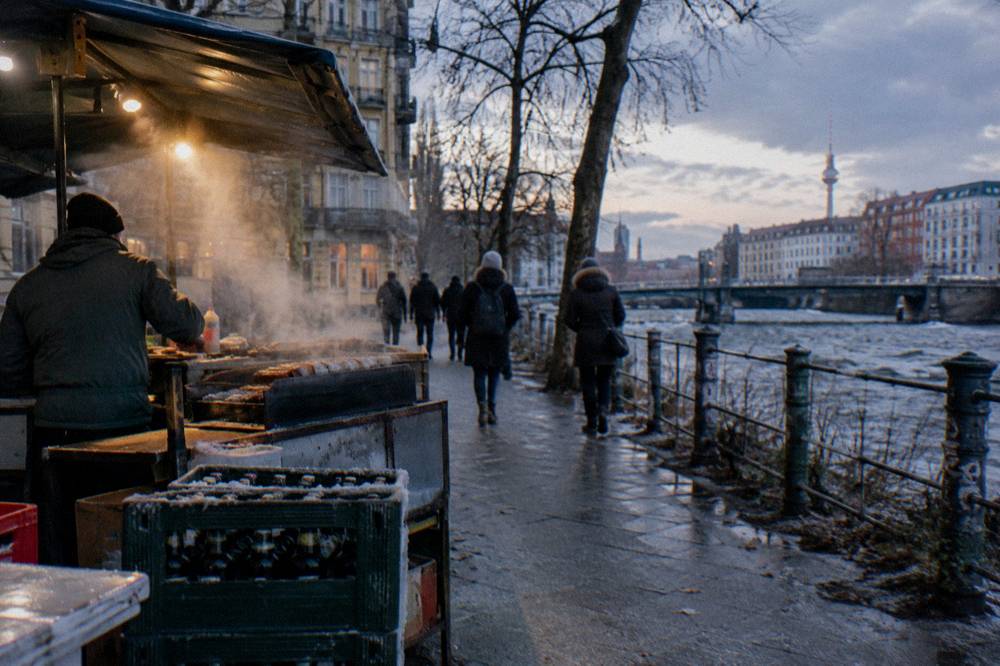
Market schedules also shift with the calendar, and market-anchored routes reflect that. Street Food Thursday at Markthalle Neun runs Thursdays 17:00 to 22:00, with the operator listing dates including 5, 19 and 26 November 2026 on the official Markthalle Neun page, and the Türkenmarkt at Maybachufer is reported Tuesdays and Fridays 11:00 to 18:30. January visitors can even time a trip to the Grüne Woche food fair, 15 to 24 January 2027 per the organiser's site. None of this changes your shoes or your ticket; it changes whether the umbrella or the sunscreen rides on top of the bag. Weather planning connects to a bigger question covered separately in the best time to visit Berlin for food.
Ready To Walk?
The whole checklist fits on a napkin: the meeting point comes from your booking page, the AB ticket at 4,00 EUR gets you there, closed shoes and layers carry you through, an empty-ish stomach is the best preparation, and allergies go in writing at booking rather than spoken at the first stop. Between the tour you book and the corner where you meet it, that is the entire practical job. If you want the fuller picture of what different routes cover before committing, the what a Berlin food walk costs overview sets out prices and inclusions, and this Berlin Food Tours hub collects every route in one place.
Common Questions About Meeting Points And Packing For A Berlin Food Walk
Where Do Berlin Food Walks Usually Meet?
At a named point inside the district the walk covers: a square, market hall entrance, street corner or station exit, with the exact address on the booking page. Seven listings here rule out hotel pickup and the rest do not mention it, so plan your own journey to the start.
How Do I Get To The Meeting Point In Berlin?
A BVG AB single ticket costs 4,00 EUR, covers U-Bahn, S-Bahn, trams and buses, and is valid 120 minutes with changes allowed. It is sold at station machines, on buses and in the BVG app. The ABC version for trips beyond the city edge is 5,00 EUR.
What Should I Wear On A Berlin Food Walk?
Closed, comfortable walking shoes and layers. Routes run about three hours on pavement, stops often involve standing, and Berlin's monthly means range from 1.5 C in January to 20.4 C in July, so a layer you can remove is useful most of the year.
Should I Eat Before A Berlin Food Tour?
Only lightly. The Mitte tour lists seven tastings and the Downtown tour lists eight, enough to stand in for a full meal across roughly three hours. A small snack two to three hours before the start is the sweet spot.
Can The Guide Handle My Allergy Or Diet?
Usually, if you say so at booking rather than on the day. Vegetarian needs are easy on most routes, vegan is often possible with notice, and strict allergies, especially nuts, should be raised with the operator before paying since street food kitchens handle allergens openly.
What Happens If I Arrive Late To The Meeting Point?
Groups move off quickly to keep their stop schedule. Message the operator contact from your booking page immediately; many guides can send the first stop's location. Arriving ten minutes early avoids the problem entirely.