Best Doner In Berlin: Famous Stands And Local Favorites
The doner kebab sandwich is widely credited to Turkish guest workers in 1970s Berlin, and the city has been arguing about who makes the best one ever since. Here is how to think like a local about stands, queues and neighbourhoods.
Short answer
Berlin's best doner is less about one stand and more about the right kind of stand. The Berlin: Döner Kebab Tour & Sightseeing runs from $51 per person for about 3 hours, rated 4.9 across 57 reviews, and pairs a gourmet doner stop with historical sites.
Ask ten Berliners for the best doner in the city and you will get eleven answers. That is not a failure of research, it is the point. The doner kebab as a sandwich is widely credited to Turkish guest workers in Berlin in the early 1970s, and in the five decades since, the city has filled with stands, Imbisse and takeaway windows, each with a loyal crowd and a strong opinion. This guide sorts the field into the shapes that actually matter to a visitor: the famous queue stands, the quieter neighbourhood places, the districts worth walking for doner, and the guided tours that bundle several stops into one evening.
What Makes A Doner The Best In Berlin?
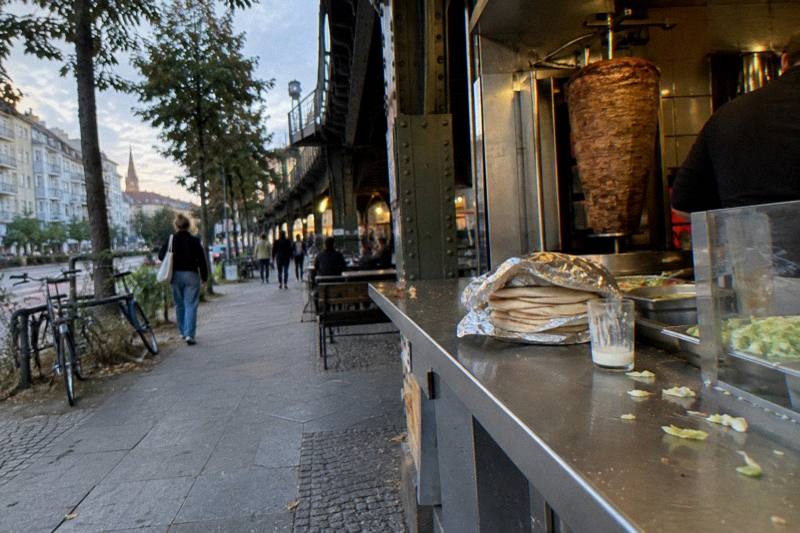
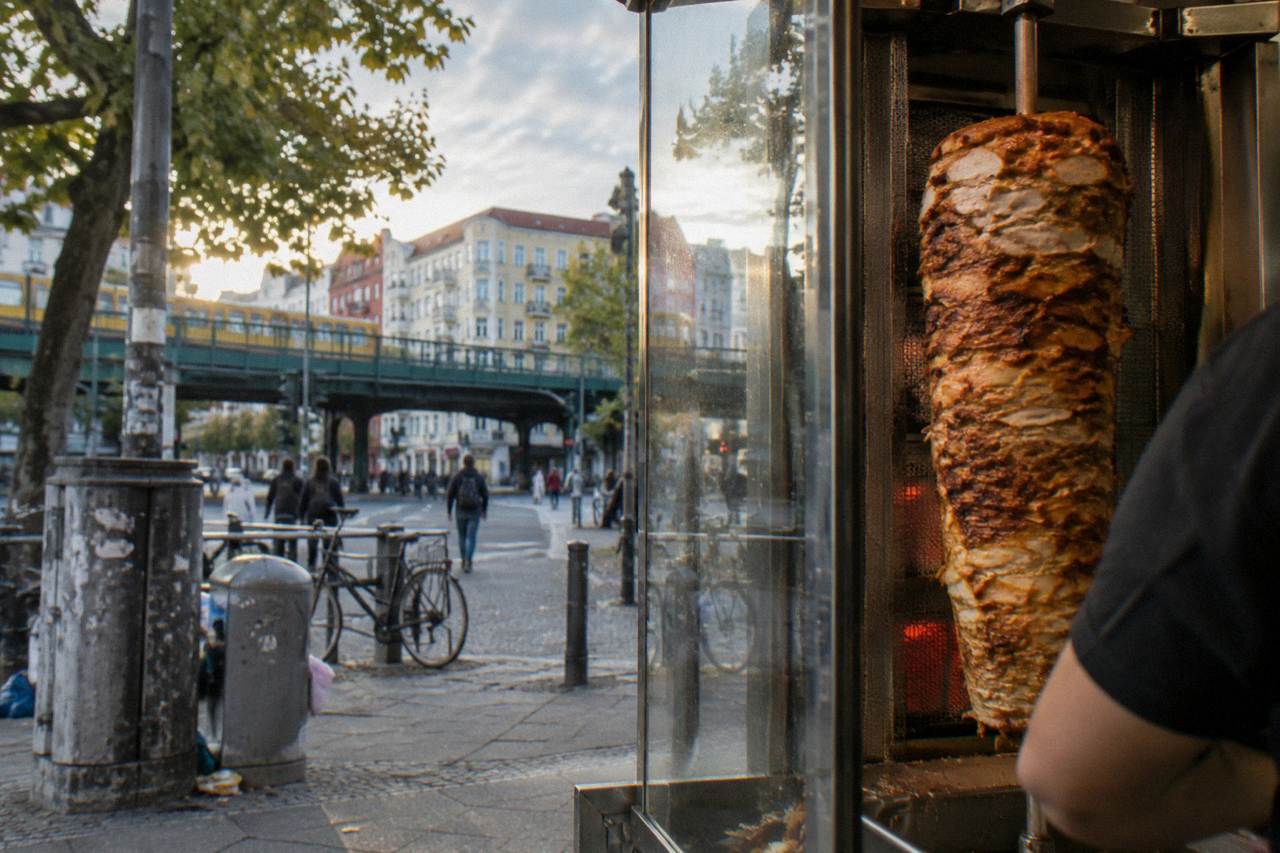
The best doner in Berlin is not a single stand but a match between bread, meat and turnover: stands that bake or source fresh bread, carve meat to order rather than letting it sit, and serve enough customers that nothing dries out. A famous stand with a long queue can deliver this, and so can an unmarked neighbourhood Imbiss with a steady local crowd. Judging the counter before you order beats judging the ranking lists.
Rankings decay fast. A stand that tops a list one summer can slip the next, and lists written for tourists tend to cluster around a handful of names near Mitte and Kreuzberg. Locals judge by indicators you can see from the street. Is the spit busy? Is the bread arriving warm? Is the counter carving the meat when you order, or scooping it from a tray? These tell you more than a number on a review page.
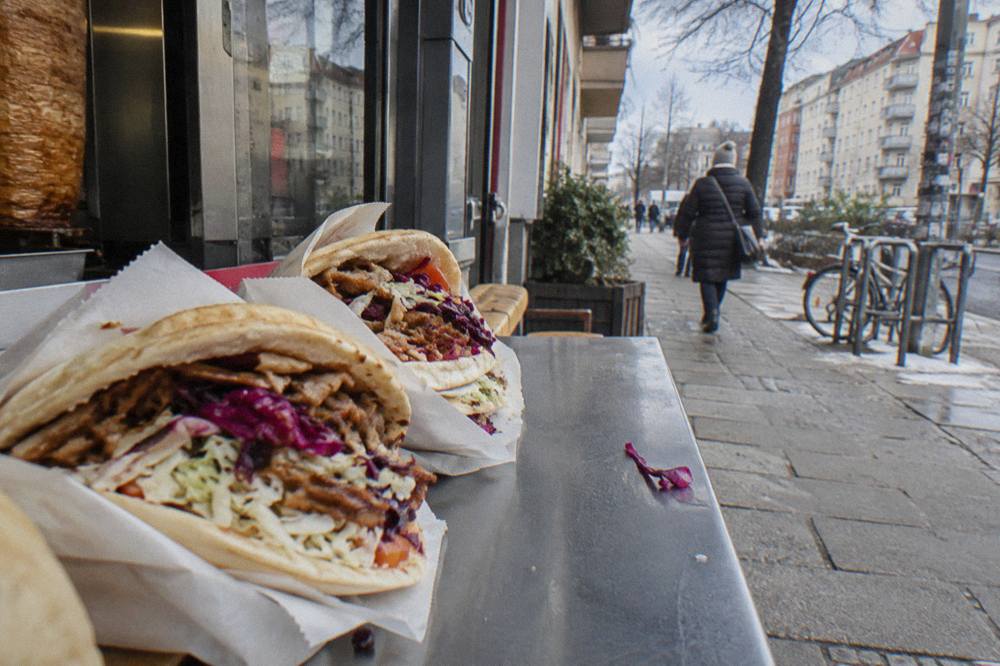
The Berlin argument also has factions. Some people want chicken, some want a mixed plate of beef and lamb, some insist on a vegetarian version, and the city accommodates all of them without much fuss. What almost everyone agrees on is the bread: a proper doner belongs in fresh flatbread or a durum wrap, not a stale supermarket pita.
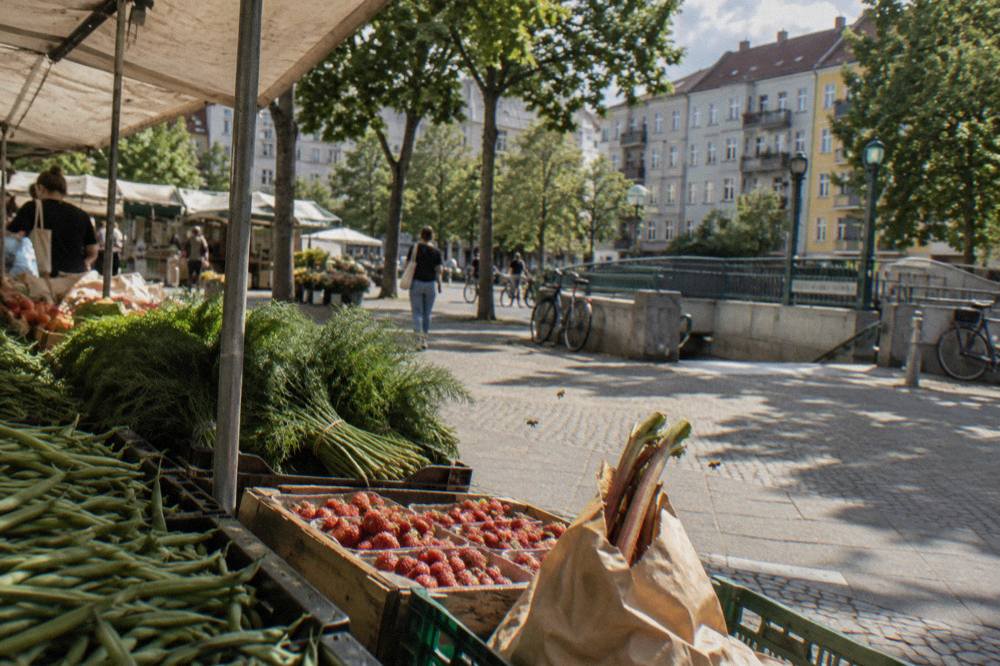
There is a seasonal layer too. Berliners eat doner year round, but the format earns its keep in the cold months, when a hot wrapped sandwich eaten standing up doubles as warmth and dinner. Summer shifts the trade towards durum rolls and plates eaten on canal-side benches in Kreuzberg, but the counters themselves barely pause.
For readers who want the full backstory of the sandwich itself, the doner history explainer covers the origin debate in depth, and the bread, meat and etiquette guide covers how to order once you have picked a stand.
Where Did The Doner Kebab Sandwich Actually Begin?
The doner kebab as a handheld sandwich is widely credited to Turkish guest workers in Berlin in the early 1970s, though the carved rotating meat itself is far older and rooted in Ottoman cooking. Berlin claims the sandwich form, a slice of food history that turned a plated dish into street food for shift workers. No single named inventor claim survives scrutiny, so treat any one-name origin story as legend rather than fact.
The commonly told version is straightforward. Turkish immigrants arriving under West Germany's guest worker programme adapted the traditional vertically roasted meat into a portable format that could be eaten standing up, between shifts, with salad and sauce tucked into bread. Berlin's Kreuzberg, with its dense Turkish community, became the heart of that development, and the sandwich spread from there across Germany and eventually the world.
What is verifiable today is the geography. Kreuzberg and neighbouring Neukölln still carry the deepest concentration of Turkish food businesses in the city, and the Kreuzberg food walk guide maps that terrain stop by stop. The Turkish market on Maybachufer runs Tuesday and Friday 11:00 to 18:30 according to local reporting, and it sits at the centre of the same food culture that produced the sandwich.
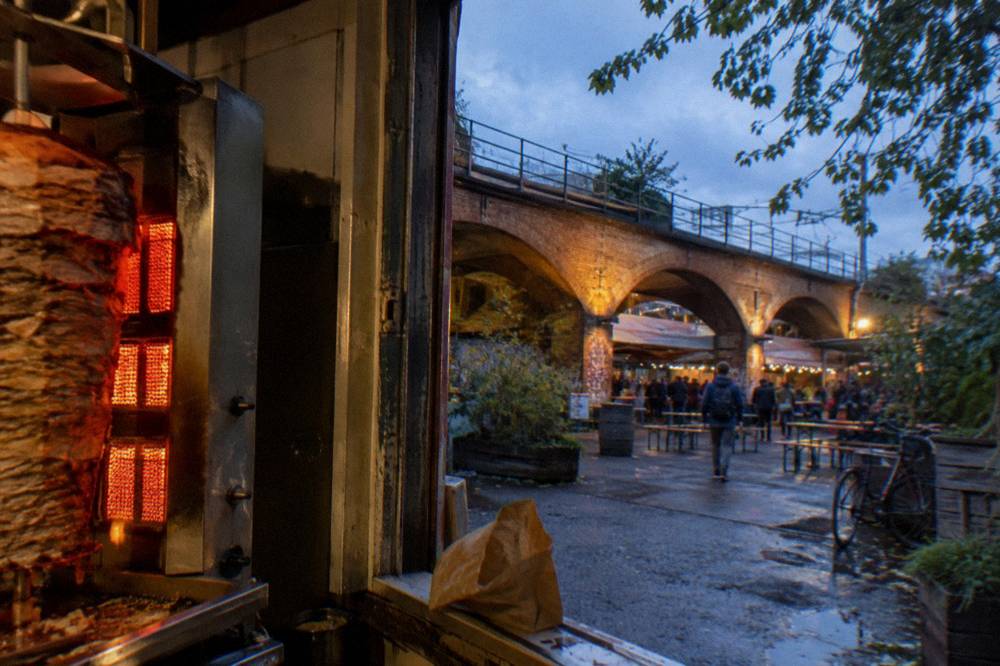
The origin story matters for one practical reason: the stands closest to that history, in Kreuzberg and Wedding, tend to be the ones locals defend hardest, while the stands closest to the Brandenburg Gate tend to be the ones nobody defends at all. Location is a signal, not a guarantee, but it is a strong one.
If you would rather have the story told while you eat, the Berlin: Döner Kebab Tour & Sightseeing weaves the historical sites and the food into one walk of about 3 hours, from $51 per person, rated 4.9 across 57 reviews, and you can check availability on the tour page.
Famous Queue Stands Or Neighbourhood Places In Berlin?
Famous queue stands, like the well-known Mehringdamm vegetable kebab stand, reward visitors with a reliable, much-praised product at the cost of a wait that press reports describe as long, while neighbourhood places reward you with speed and local atmosphere at the cost of variance. The honest answer for a short trip is one famous stand plus several neighbourhood ones, not a pilgrimage to every name on a list.
Mustafa's Gemüse Kebap on Mehringdamm is the stand most visitors mean when they say "the famous queue one." Press coverage has reported long queues at the stand for years, and the Mustafa's queue guide weighs the wait directly. The stand's rhythm changes week to week, so a look at the queue in person tells you more than any fixed figure would.
Neighbourhood places operate on different logic. A Turkish takeaway in Wedding or Neukölln lives or dies on repeat customers, so the bread tends to be fresh, the carving tends to happen in front of you, and the person ahead of you in line is usually a regular. The variance is real: one corner Imbiss is excellent, the next is merely fine, and no ranking list tracks them all.
| Factor | Famous queue stand | Neighbourhood Imbiss |
|---|---|---|
| Consistency | High, checked by constant demand | Variable, checked by locals only |
| Wait | Long queues reported in press | Usually minutes |
| Atmosphere | Tourists and pilgrims | Residents and workers |
| Risk of a letdown | Low but possible after a long wait | Moderate |
| Best for | A short trip, one landmark meal | Eating like a local, repeat visits |
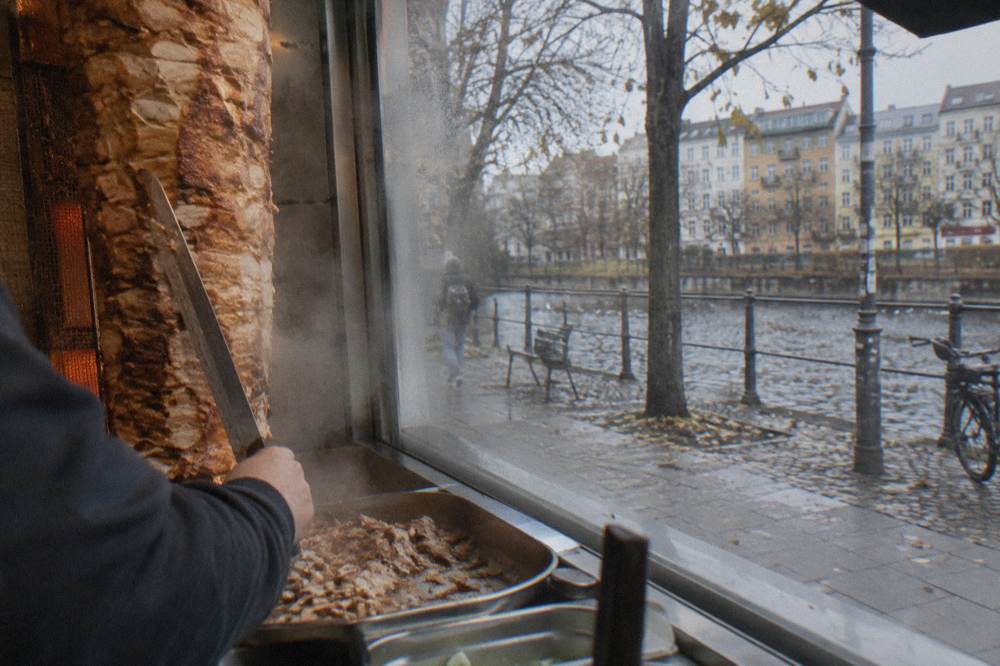
A workable compromise is sequencing. Spend the rest of the trip sampling neighbourhood counters with no queue at all. Travellers with only one evening could take the guided option instead.
Which Berlin Neighbourhood Has The Best Doner Scene?
Kreuzberg is the standard answer for the best doner scene in Berlin, anchored by its Turkish community around Kottbusser Tor and the Maybachufer market, with Neukölln close behind and Wedding the strong local pick away from the tourist trail. Mitte has good stands but fewer of them, and Prenzlauer Berg leans more towards brunch than doner, though the bookable doner tour starts at the Kulturbrauerei. The gap between Kreuzberg and everywhere else is smaller than guidebooks claim, but the concentration is real.
Kreuzberg's advantage is density. Within a short walk of Kottbusser Tor you can move from a classic beef-and-lamb counter to a chicken specialist to a vegan kebab shop, which makes it the one district where comparing stands is genuinely easy. The Neukölln food walk guide traces the corridor between the two neighbourhoods, and it is the route a food-first visitor should walk even without a guide.
Neukölln has shifted from Berlin's quiet alternative to one of its most talked-about food districts, and Turkish food remains its backbone. Wedding, further north, gets fewer visitors and keeps a loyal local counter culture. Schöneberg and Charlottenburg have their own Turkish pockets too, smaller and less written about.
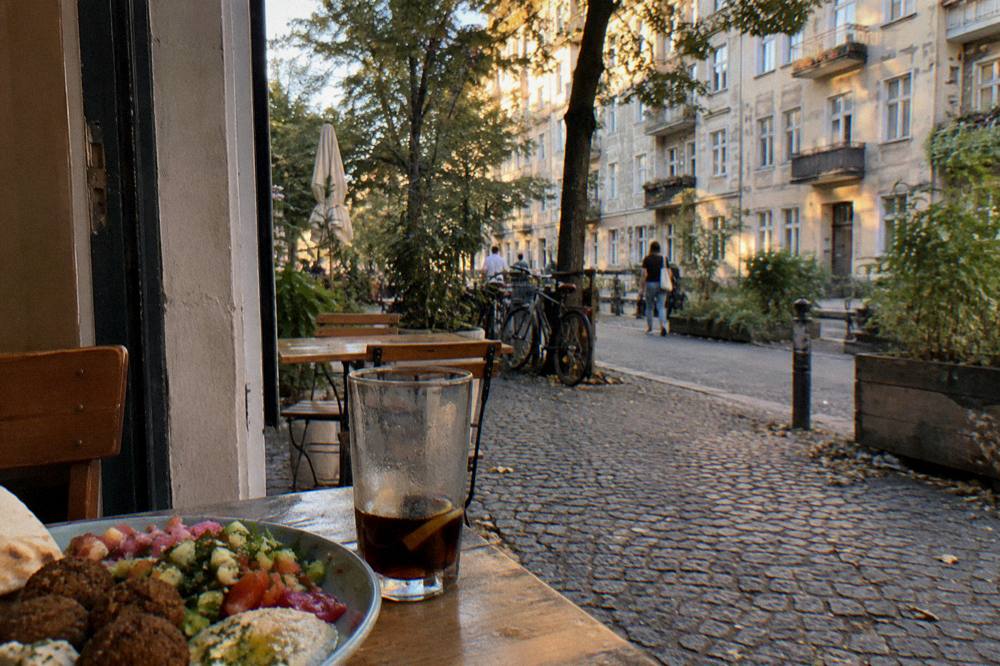
A guided walk compresses that geography into one evening. The Berlin: Hidden Flavors of Kreuzberg & Neukölln tour covers both districts in about 3 hours from $118 per person, with 9 reviews so far, too few for a star rating, and the Berlin: Guided Street Food Tour with Tastings covers a similar street-food brief from $75 per person, rated 4.8 across 403 reviews.
How Do You Judge A Great Doner Before You Order?
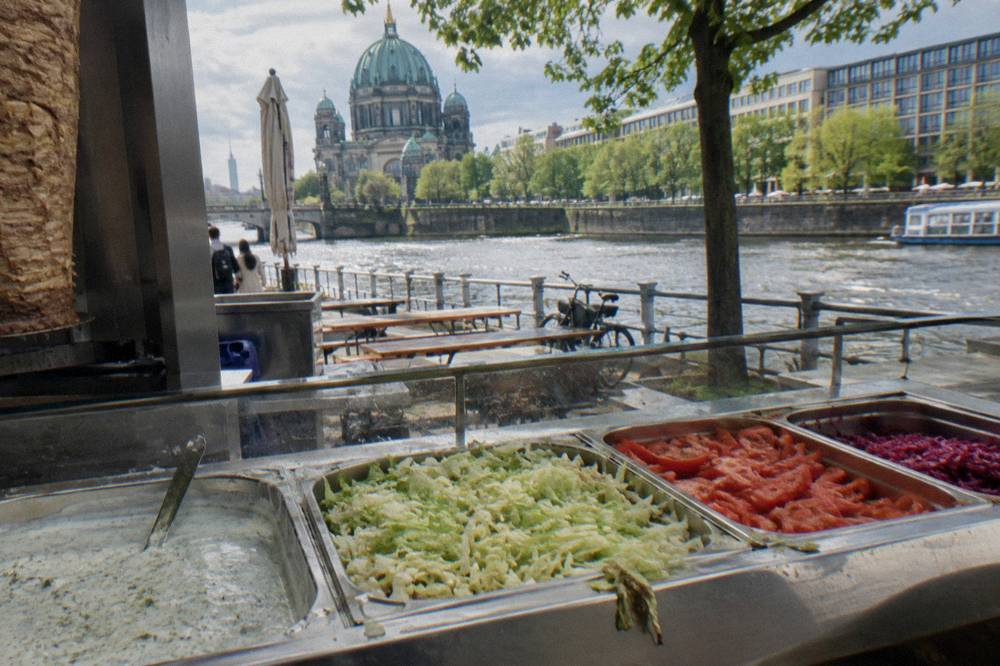
Judge a doner stand before ordering by four visible signs: meat carved to order rather than pre-sliced, bread that arrives warm or is baked on site, a sauce made in the shop rather than from a pump bottle, and a steady stream of customers that keeps the spit turning. None of these requires inside knowledge, and together they beat any online ranking. The best doner in Berlin, on any given day, is the one that passes all four.
The carving test is the strongest. Meat sliced off the spit at the moment of ordering carries the crust and juices from the rotation. Meat sitting in a warming tray has already given most of that up, no matter how good it was an hour earlier. Watch the counter for one order before you commit.
Bread is the second tell. Stands that bake flatbread on site or receive frequent deliveries serve a wrapper that holds together to the last bite. Sauce is the third: house-made sauces, spicy or herb or garlic, signal a kitchen that cares, while a rack of identical pump bottles suggests a supplier relationship and nothing more. Turnover is the fourth, and it doubles as a queue-management tool, since a busy stand means fresh meat but a wait, per the trade-offs laid out earlier in the queue-stand comparison.
| Signal | What To Look For | Why It Matters |
|---|---|---|
| Carving | Meat sliced when you order | Keeps crust and juices |
| Bread | Warm, baked on site or delivered fresh | Holds the sandwich together |
| Sauce | Made in the shop, distinct flavours | Signals kitchen care |
| Turnover | Constant stream of customers | Nothing sits and dries out |
One ordering habit worth adopting: specify everything. Locals state the meat, the sauce and the vegetables, rather than accepting a default. The ordering and etiquette guide gives the vocabulary, and this guide keeps the focus on where to apply it.
Can A Guided Doner Tour Replace The Hunt?
A guided doner tour replaces the hunting, not the eating: the Berlin: Döner Kebab Tour & Sightseeing runs about 3 hours from $51 per person, rated 4.9 across 57 reviews, and pairs a gourmet doner stop with sightseeing, so you trade the risk of choosing badly for a route someone else has already tested. For one evening in the city, that trade is usually worth it. For a week, do one tour and then hunt on your own.
The appeal is efficiency. A first-time visitor choosing stands alone faces the variance problem described above, and a tour collapses that risk into a tested route. The doner tour's listing describes a gourmet doner stop among its inclusions, alongside the historical sites, which makes it a reasonable single-evening answer to the "best doner" question.
The site's broader street-food options extend the same logic to other formats. The KERB food hall tour runs from $34 per person with 12 reviews so far, too few for a star rating, and suits a shorter appetite or a rainy evening. The Berlin: Downtown Food Tour with 8 Authentic Local Tastings runs about 3 hours from $115 per person, rated 4.9 across 407 reviews, and spreads its stops across a wider range of Berlin staples than doner alone.
Getting to any of these is cheap. A BVG single ticket for zones AB costs 4,00 EUR and is valid for 120 minutes, per BVG's single-ticket price table, which covers most journeys a doner hunt in Kreuzberg or Mitte requires. Children from 6 to 14 travel reduced at 2,50 EUR, and a dog rides free.
When And How Should You Plan A Doner Day In Berlin?
Plan a doner day around the markets and the evenings: the Maybachufer Turkish market runs Tuesday and Friday 11:00 to 18:30, Street Food Thursday at Markthalle Neun runs 17:00 to 22:00 on Thursdays, and doner stands themselves run long into the night, which makes dinner-and-late-snack the natural doner rhythm. Sunday planning needs care, because regular shops stay closed.
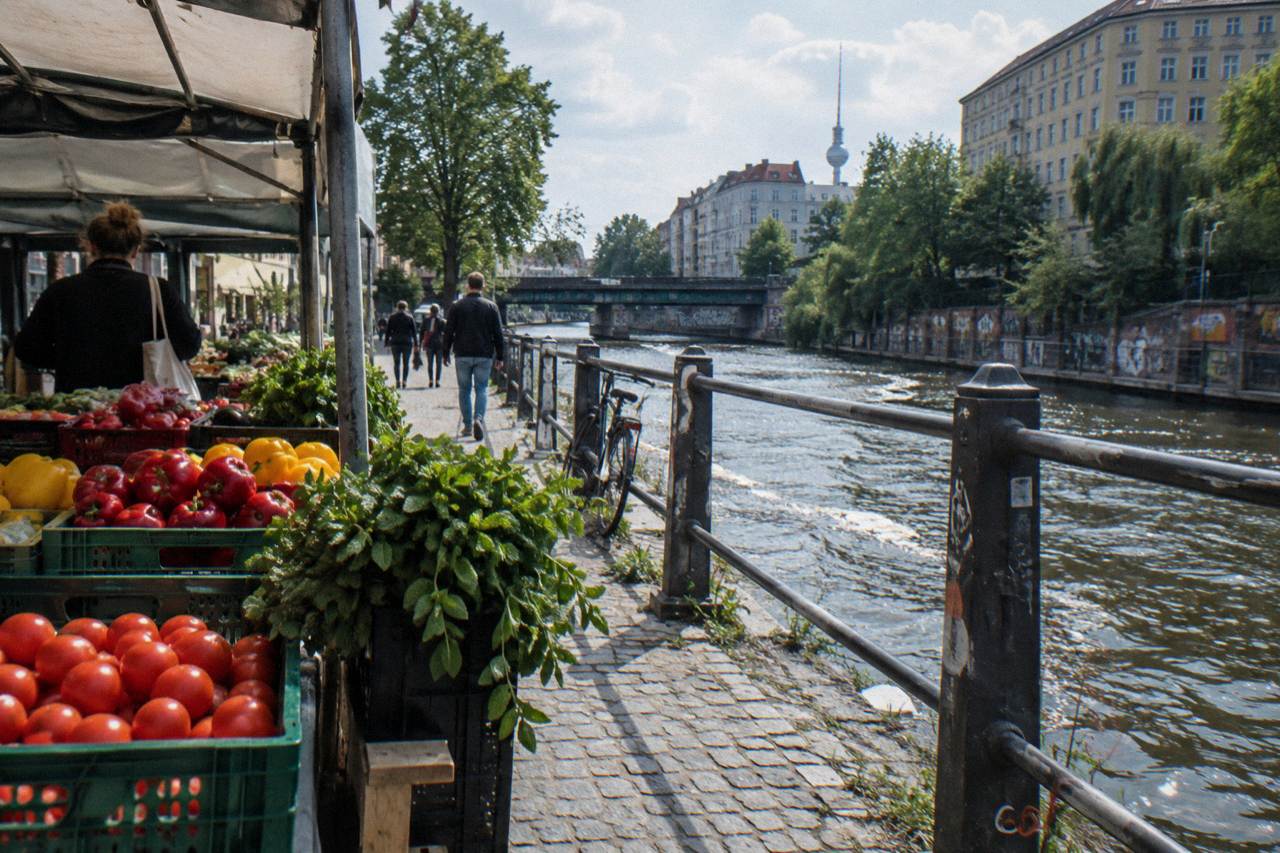
The market calendar shapes the week. Tuesday and Friday belong to Maybachufer, where the food stalls of Kreuzberg's Turkish community set up along the canal. Thursday belongs to Markthalle Neun in Kreuzberg, whose Street Food Thursday page lists every Thursday 17:00 to 22:00, with 5, 19 and 26 November 2026 confirmed. A doner-focused trip can anchor one day to each.
Sundays follow different rules. Under the Berlin shop-opening law, supermarkets stay closed except at stations, bakeries may sell until 16:00, and tourist-need shops selling food and drink for immediate consumption can open 13:00 to 20:00, which is why takeaway food keeps running when nothing else does, as the Senatsverwaltung's opening-hours overview sets out. A Sunday doner walk is entirely feasible, a Sunday supermarket picnic is not.
| Timing | What Works For Doner |
|---|---|
| Tuesday or Friday | Maybachufer market, 11:00 to 18:30, plus nearby counters |
| Thursday | Street Food Thursday at Markthalle Neun, 17:00 to 22:00 |
| Sunday | Takeaway stands stay busy, shops closed, bakeries to 16:00 |
| Late evening | Doner counters run late into the night |
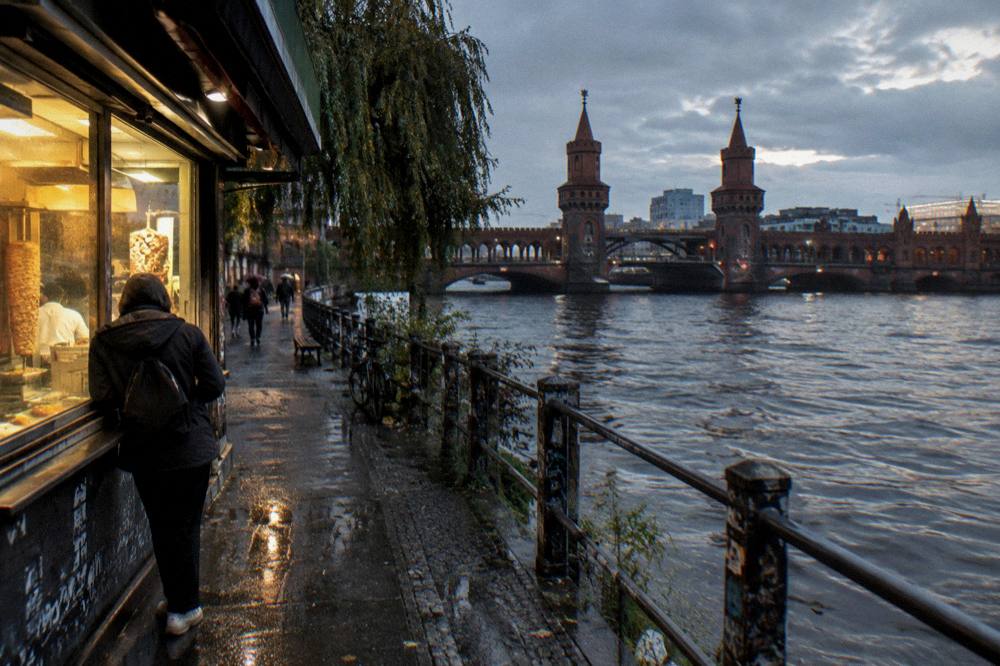
Weather barely interferes. Deutscher Wetterdienst 1991 to 2020 normals for Alexanderplatz put November at a mean of 5.6 C and December at 2.5 C, cold but workable for a walk between warm counters, and a warm sandwich is arguably the correct cold-weather food anyway.
For travellers who want a broader street-food sweep beyond doner, the street food guide ranks the formats, and the Markthalle Neun guide covers the Thursday market in detail. The Berlin: Guided Street Food Tour with Tastings, from $75 per person and rated 4.8 across 403 reviews, is the bookable version of that sweep.
The pattern across the options covered by Berlin Food Tours is consistent: the cheapest food-first walks start under $60 per person, the doner-specific tour sits at from $51, and the longer multi-tasting walks climb above $115. What follows is the same shortlist drawn together for one decision.
Guided Doner And Food Tour Prices In Berlin
| Tour | Price | Duration | Rating |
|---|---|---|---|
| Döner Tour Plus Sightseeing | from $51 per person | about 3 hours | 4.9 across 57 reviews |
| No Diet Club Street Food Walk | from $75 per person | Not stated | 4.8 across 403 reviews |
| Hidden Kreuzberg and Neukölln | from $118 per person | about 3 hours | 9 reviews, too few for a rating |
| KERB Food Hall, Drinks | from $34 per person | Not stated | 12 reviews, too few for a rating |
| Downtown Walk, 8 Tastings | from $115 per person | about 3 hours | 4.9 across 407 reviews |
Common Questions About The Best Doner In Berlin
Where Is The Best Doner In Berlin?
There is no single agreed answer. Kreuzberg has the deepest concentration of stands, the famous Mehringdamm vegetable kebab stand draws long queues reported in the press, and many locals prefer unmarked neighbourhood Imbisse in Wedding or Neukölln. Judge a stand by carving, bread, house-made sauce and turnover rather than by ranking lists.
Who Invented The Doner Kebab?
The doner kebab as a sandwich is widely credited to Turkish guest workers in Berlin in the early 1970s. The carved rotating meat itself is far older and rooted in Ottoman cuisine. No single named inventor claim is treated as established fact.
Is Mustafa's Gemüse Kebap Worth The Queue?
Mustafa's on Mehringdamm is a famous stand with a long queue that press reporting has described for years. Whether the wait is worth it depends on your schedule, on a short trip one landmark stand plus several neighbourhood ones is a sensible balance.
Which Neighbourhood Should I Stay In For Doner?
Kreuzberg is the standard answer, with Neukölln close behind and Wedding the quieter local pick. Mitte has good stands but fewer, and Prenzlauer Berg leans more towards bakeries and brunch, though the bookable doner tour starts at the Kulturbrauerei. A single AB transport ticket at 4,00 EUR makes cross-town doner trips cheap.
Can I Take A Tour Instead Of Finding Stands Myself?
Yes. The Berlin: Döner Kebab Tour & Sightseeing runs about 3 hours from $51 per person, rated 4.9 across 57 reviews, and includes a gourmet doner stop alongside historical sites. Wider street-food walks, from $34 at the KERB food hall to $75 for a guided street-food tour, cover doner among other formats.
When Do Berlin Doner Stands Open?
Doner counters typically run long hours and well into the night, but exact times vary by stand, so check the hours posted at the counter before planning a late visit. Around them, the Maybachufer Turkish market runs Tuesday and Friday 11:00 to 18:30, and Street Food Thursday at Markthalle Neun runs 17:00 to 22:00 every Thursday.