Berlin Food Prices: What Meals And Snacks Cost
Berlin eats cheaper than most western capitals, but the numbers worth planning around are the ones nobody prints on a menu: what a guided walk costs, what transport adds, and which days the markets and shops are shut.
Short answer
Guided food walks in Berlin run from $34 to $561 depending on format, with most small-group tastings between $50 and $150 per person. A single BVG transport ticket costs 4,00 EUR in zones AB, and the Deutschlandticket at 63 EUR per month covers regional trains too. Sundays close most food shops, so plan around market days.
Berlin has a reputation as one of western Europe's more affordable capitals, and for the most part the reputation holds. The catch for a planner is that the useful numbers are scattered: tour prices live on booking pages, transport fares sit on the transit operator's site, and market schedules shift with the season. This guide gathers the figures that can actually be checked, and explains how they fit together for a food-first trip.
Euro prices for a currywurst, a doner or a coffee vary by stand, by district and by year, so no single figure holds for long. The numbers worth comparing are the tour prices with their per-person or per-group basis, the official transit fares, official market hours and the climate record.
How Much Does Eating Out In Berlin Cost?
Eating out in Berlin spans a wide band, from takeaway windows in Kreuzberg and Neukölln to starred dining in Mitte, and where a visitor lands matters more than any average. The Michelin Guide Germany 2026 lists one three-star restaurant in Berlin and four two-stars, alongside a long run of Bib Gourmand picks. The bottom of the market, street stands and market halls, remains far cheaper than equivalents in Paris or Amsterdam.
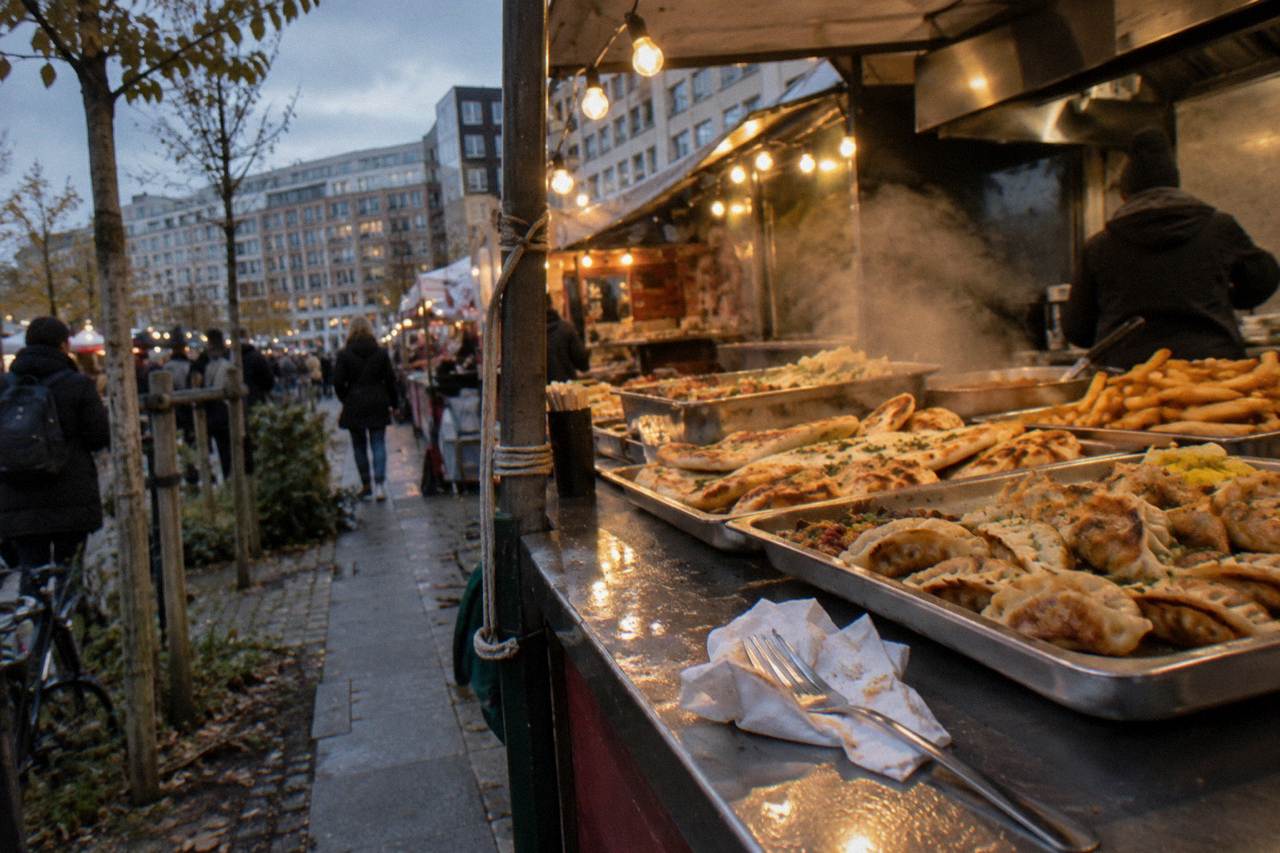
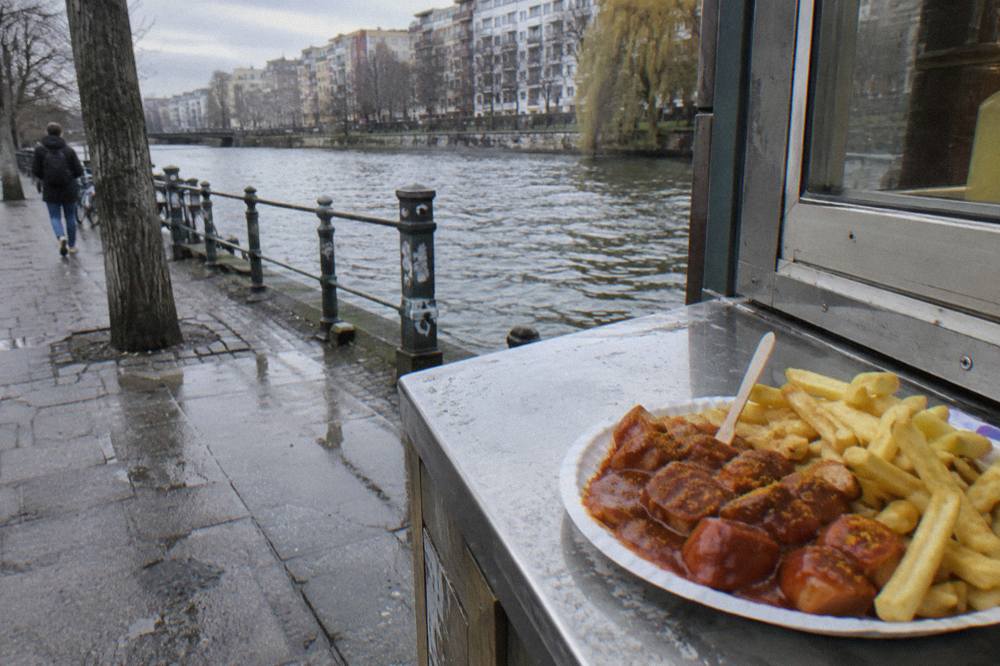
The honest framing is structural rather than a price list. Street food, meaning doner, currywurst, borek and the trays at market halls, sits at the cheap end. Casual sit-down restaurants, the neighborhood places serving schnitzel, flammkuchen and bowls, occupy the middle. Anything with a starred chef or a sommelier climbs quickly from there. A visitor eating from the first two tiers will spend noticeably less than in almost any other German capital-region city of comparable size.
Two habits stretch a food budget furthest. First, lean on markets and street kitchens at lunch, when stalls are fully stocked and queues short. Second, treat a guided walk as a meal replacement rather than an add-on: a three-hour tasting tour that includes seven or eight samples is dinner, not a snack before dinner. That reframing is the whole logic behind comparing walk prices against eating solo, which this guide does a few sections down.
For a deeper dish-by-dish orientation without euro figures, the traditional dishes guide on this site, what to eat in Berlin, covers the staples, and the budget angle is developed in how to eat well on a budget in Berlin.
What Does A Guided Food Walk Cost In Berlin?
Guided food walks in Berlin span from $34 per person for a short food-hall experience to $561 for a private group tour of up to ten people, with the mainstream small-group options clustered between $75 and $150. Durations run from about 90 minutes to four hours. Every price below is per person except the two group-priced tours, which are billed for the whole group, up to ten people, never per head. If pho and banh mi are on your list, the guide to Vietnamese food in Berlin covers Dong Xuan Center and the neighborhoods that pair well with a walking tour.
That spread is the single most useful thing to understand about walk pricing in Berlin. The cheapest options are not stripped-down versions of the expensive ones; they are simply shorter, or anchored to one venue. The Berlin Street Food Experience at the KERB food hall starts from $34, while the Mitte district tasting tour at from $90.01 delivers seven tastings across roughly three hours and carries a 4.9 rating across 1,583 reviews, the most-reviewed food walk among these options.
The table below sets out the price, duration and review standing of the main food walks, so the comparison is visible at a glance. Note the two per-group lines: dividing them by head count is the reader's job, and the booking page is the place to confirm group-size terms.
| Tour | Price basis | Duration | Rating and reviews |
|---|---|---|---|
| No Diet Club Street Food Walk | from $75 per person | ~3 hours | 4.8 across 403 reviews |
| Berlin: Mitte District Food Tour, 7 Tastings | from $90.01 per person | ~3 hours | 4.9 across 1,583 reviews |
| Berlin: Downtown Food Tour, 8 Tastings | from $115 per person | ~3 hours | 4.9 across 407 reviews |
| Budget Mitte Culinary Walk | from $50 per person | ~3 hours | 4.6 across 506 reviews |
| Berlin: Döner Kebab Tour & Sightseeing | from $51 per person | ~3 hours | 4.9 across 57 reviews |
| Food Tasting Tour of Hidden Gems, Small Groups | from $120.54 per person | ~3 hours | 4.6 across 80 reviews |
| Premium Kreuzberg Food Walk | from $561 per group of up to 10 | ~3 hours | 4.6 across 831 reviews |
| Prenzlauer Berg Culinary Food Tour | from $505 per group of up to 10 | ~3 hours | 4.9 across 20 reviews |
A pattern worth noticing: price does not track rating. The $50 Mitte culinary walk rates 4.6 across 506 reviews, close on the heels of walks costing twice as much. What the pricier tours usually add is group intimacy, a guide with a stronger culinary brief, or a fuller meal structure. The food walk comparison guide breaks that trade-off down tour by tour.
Is A Food Walk Cheaper Than Eating Solo In Berlin?
A three-hour tasting walk at $75 to $120 buys five to eight samples, a guide and a route, which usually lands at or below what a solo diner would spend assembling the same spread independently, once failed guesses and dead stops are counted. The walk also removes the search cost: no wandering past three closed stands to find the fourth. The saving is real but modest, and the certainty is the bigger benefit.
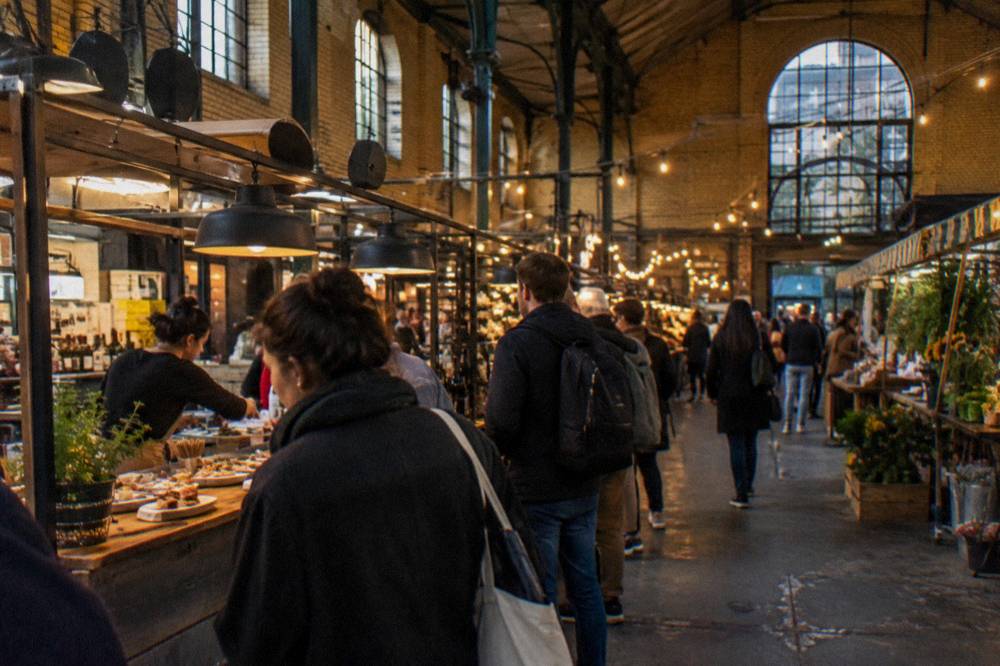
The arithmetic works like this. A solo eater chasing Berlin's greatest hits, say a doner, a currywurst, a market hall lunch and a pastry stop, pays separately at each window and pays again in transit and in time between neighborhoods. A walk compresses those stops into one route with the tasting costs bundled, and the operator has already negotiated the stops. For a first-time visitor with two or three days in the city, the bundled version frequently wins on total spend as well as on experience.
Where eating solo clearly wins is on repeat visits and long stays. Anyone in Berlin for a week learns the cheap stands near their accommodation and stops needing a guide to find them. The walk is best understood as an orientation purchase: pay once, early in the trip, and harvest the recommendations for the rest of the stay.
The cheapest full-length walk in this comparison is the Berlin: Mitte Culinary Food Tour, from $50 per person, rated 4.6 across 506 reviews, around three hours. It strings several stops through Mitte, which is exactly the meal-replacement structure budget planners should look for.
One more honest caveat: walks are not restaurant meals, and portion sizes reflect tasting format. Anyone with a large appetite should treat a tasting tour as a substantial graze rather than a banquet, and plan a smaller dinner afterward. Operators describe the included stops on the booking page, so check the count before booking rather than after.
How Much Does Getting Around Berlin Cost?
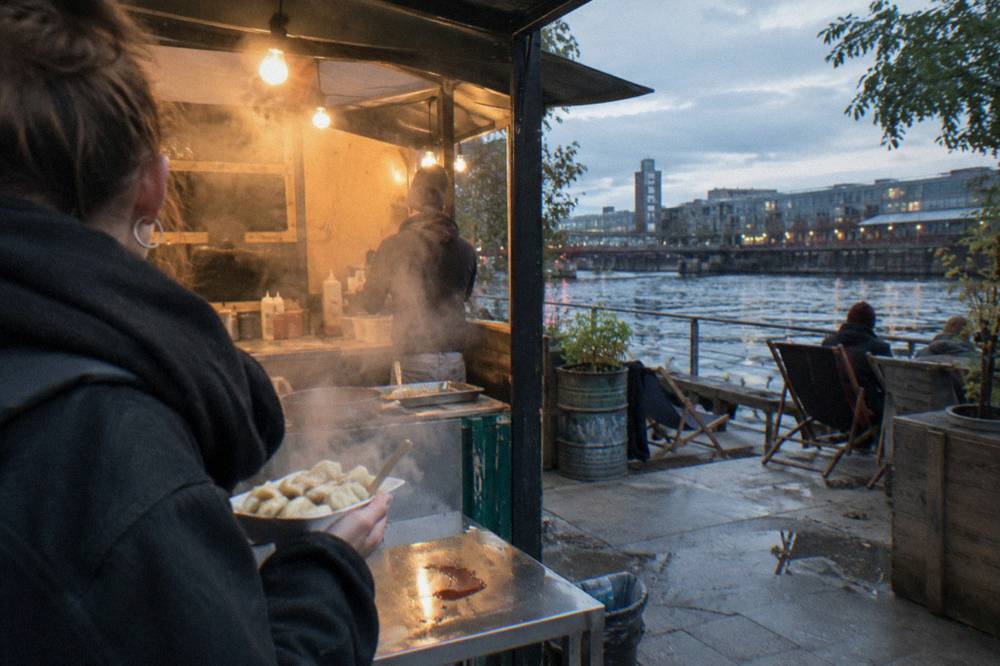
A single BVG ticket in zones AB costs 4,00 EUR and stays valid for 120 minutes including changes, with a reduced child fare of 2,50 EUR. The Deutschlandticket costs 63 EUR per month, rising to 66,80 EUR from 1 January 2027, and covers regional trains as well as city transit. From 2027 the AB single stays at 4,00 EUR while the four-trip ticket rises from 12,40 EUR to 13,20 EUR.
For food-first visitors, transit spending is the quiet second line of the budget. A day spent hopping between Markthalle Neun, Maybachufer and a Mitte tasting route is several single fares unless a day or monthly product makes sense. The official fare table is published by BVG's single-ticket price page, and the fare structure from 2027 is explained in the city portal's report on VBB ticket prices from 2027.
| Ticket | Price | Notes |
|---|---|---|
| BVG single, zone AB | 4,00 EUR | Valid 120 minutes, changes allowed, no return trips |
| BVG single, zone ABC | 5,00 EUR | Covers surrounding region including BER airport |
| Reduced single, AB | 2,50 EUR | Children 6 to 14 |
| Four-trip ticket, Berlin AB | 12,40 EUR, rising to 13,20 EUR in 2027 | Four single journeys |
| Deutschlandticket | 63 EUR per month, 66,80 EUR from 1 January 2027 | Nationwide local and regional transport |
The Deutschlandticket decision is a simple break-even question, and the official product site at deutschlandticket.de lists the current terms. A short city break rarely justifies a monthly pass unless arrival and departure days both involve airport transfers. A week-long stay with daily market circuits across zones can come close, and the 2027 price rise, confirmed in autumn 2026, nudges the math slightly against it for longer stays.
Walking, for the record, covers a great deal of Berlin's eating geography for free. Kreuzberg's market cluster, Neukölln's stands and much of Mitte sit within walkable webs, and the piece on whether Berlin is a walkable city goes into the distances in detail. Transport spending is best reserved for cross-town moves, not neighborhood grazing.
Which Berlin Markets Are Free To Visit And When Are They On?
Every regular Berlin food market is free to enter, including Street Food Thursday at Markthalle Neun and the Turkish market at Maybachufer, so the only cost is what a visitor eats. Street Food Thursday runs Thursdays 17:00 to 22:00, with listed November 2026 dates on the 5th, 19th and 26th. Maybachufer operates Tuesdays and Fridays 11:00 to 18:30, and Winterfeldtmarkt runs Wednesday mornings and Saturdays until 16:00.
Market timing is a budget lever because it is a schedule lever. Turn up on the wrong day and the fallback is restaurant pricing; turn up on the right one and the whole cheap tier of Berlin eating opens at once. The official schedule for Street Food Thursday at Markthalle Neun is published by the hall itself, and visitBerlin lists the hours for the Winterfeldtplatz weekly market.
| Market | Days | Hours | Entry |
|---|---|---|---|
| Street Food Thursday, Markthalle Neun | Thursdays | 17:00 to 22:00 | Free |
| Turkish market, Maybachufer | Tuesdays and Fridays | 11:00 to 18:30 | Free |
| Winterfeldtmarkt, Winterfeldtplatz | Wednesday morning and Saturday | Saturday until 16:00 | Free |
| Alexanderplatz Christmas market | Daily, 23 Nov to 26 Dec 2026 | 11:00 to 22:00 | Free |
| Lucia Christmas Market, Kulturbrauerei | 23 Nov to 22 Dec 2026 | Mon to Fri 15:00 to 22:00, weekends 13:00 to 22:00 | Free |
The Maybachufer hours come from a local news publisher rather than an official body, so treat them as reported rather than guaranteed, and the market closes on public holidays.
The fuller market landscape, including which stalls reward the trip, is mapped in the Markthalle Neun guide and the Berlin markets overview. A guided option exists too: the Markthalle Neun guided food tour with craft beer runs from $97 per person for about two and a half hours.
Visitors who would rather walk the markets with a local leading the way can also consider the Kreuzberg tasting walks, which fold the Turkish market into a route. The dedicated Kreuzberg food walk guide covers what those routes include.
What Do Berlin Sunday Rules Mean For Food Shopping?
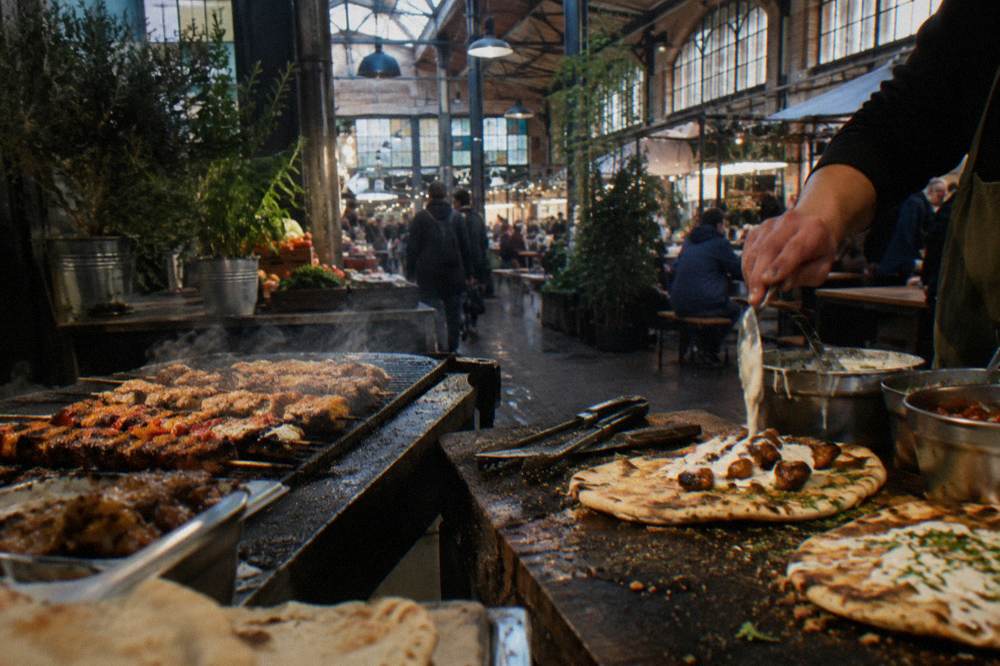
On Sundays most Berlin shops must close, including supermarkets, with exceptions for shops at stations, bakeries and confectioners until 16:00, and tourist-need shops from 13:00 to 20:00. Up to eight Sundays a year can open citywide by official order. In practice, a Sunday food plan in Berlin means bakeries, station shops, restaurants and markets that happen to fall on permitted days, not supermarkets. Since bakeries end up doing most of the work on a Sunday, our guide to Berlin bakery pastries like the Berliner Pfannkuchen helps you order at the counter with confidence.
This is the rule that quietly breaks budgets. A visitor who plans a Sunday picnic shopping run finds shut doors and ends up in a restaurant instead. The rules, set by the Berliner Ladenöffnungsgesetz, are explained on the Senatsverwaltung's shop opening hours page. Christmas Day, Boxing Day and New Year's Day follow the same holiday closure pattern.
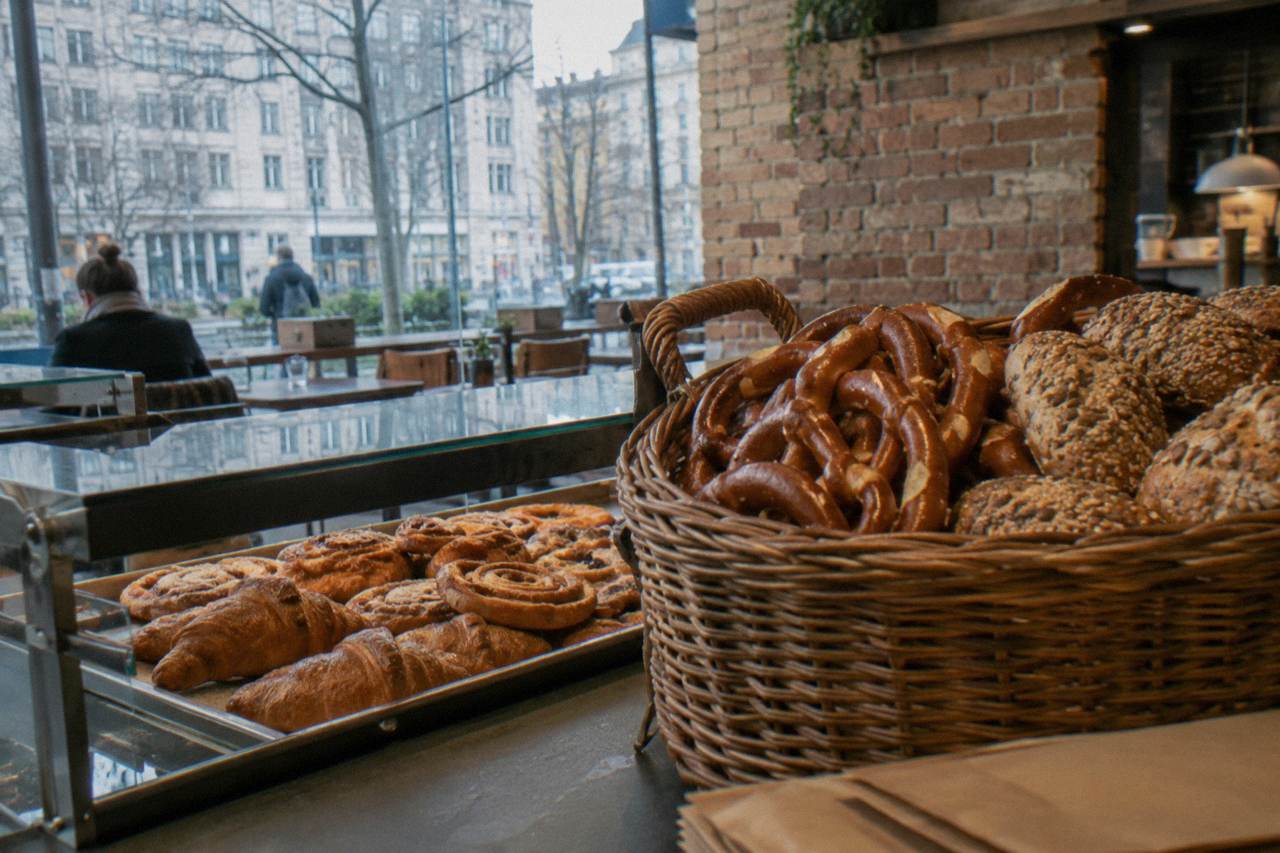
The workaround list is short but reliable. Bakeries open Sunday mornings and sell out by afternoon. Station kiosks and station supermarkets trade all day. Restaurants, cafes and street kitchens are unaffected by shop-closing law and run normal service. And street food events like Street Food Thursday are weekday fixtures anyway, which is one reason Thursday evenings in Kreuzberg feel so busy.
Sunday also happens to be a good day for a guided walk, precisely because the self-catering alternative is weak. With bakeries closing mid-afternoon and supermarkets shut, a three-hour tasting tour solves the day's eating question in one booking. Anyone weighing that option can check availability on the downtown eight-tasting walk, from $115 per person, alongside the downtown tour page for details.
When Is The Best Value Season To Eat In Berlin?
The cheapest eating months are the shoulder seasons, April to May and September to October, when mean temperatures sit between 10 and 15 degrees, outdoor stalls trade comfortably and tourist queues thin. July is the warmest month at 20.4 degrees mean but also the wettest at 78.2 mm of rain, while January averages 1.5 degrees with 16.8 frost nights, which pushes eating indoors and raises the share of restaurant spending.
Those figures come from the Deutscher Wetterdienst 1991 to 2020 normals for Alexanderplatz. Weather does not change menu prices, but it changes the mix: street food seasons are the cheap seasons, and a freezing, wet February pushes even frugal visitors into seated lunches. Winter has its own free-to-enter compensation in the Christmas markets, which run from late November.
| Month | Mean temp | Rain | Sunshine hours |
|---|---|---|---|
| January | 1.5 C | 48.8 mm | 51.7 |
| April | 10.7 C | 30.1 mm | 195.4 |
| July | 20.4 C | 78.2 mm | 238.2 |
| September | 15.5 C | 45.1 mm | 166.8 |
| October | 10.4 C | 43.4 mm | 115.5 |
| December | 2.5 C | 46.5 mm | 41.9 |
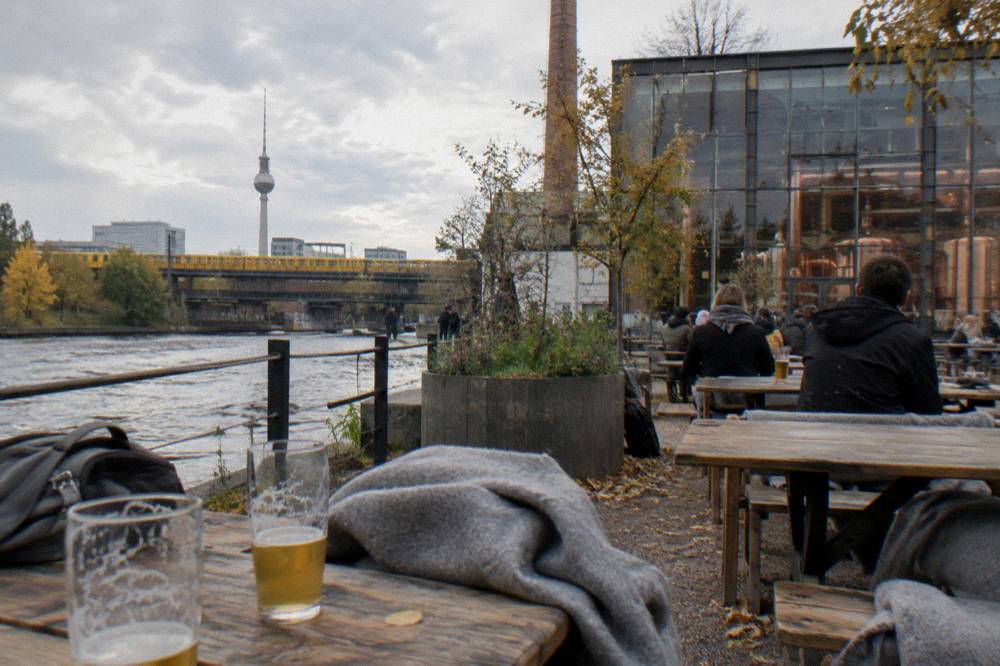
Winter visitors are not stuck with restaurant pricing. The seasonal calendar in late 2026 includes the free-entry Alexanderplatz and Lucia markets, and January brings Grüne Woche, the big agricultural fair running 15 to 24 January 2027, which is a tasting opportunity on a scale the weekly markets cannot match. The best time to visit Berlin guide works through the full seasonal calendar.
Budget logic by season, in one line each: spring and autumn maximize cheap outdoor eating; summer adds festivals and queues in equal measure; winter shifts value toward markets, Glühwein and one substantial indoor experience, which is where an evening culinary tour earns its keep. The award-winning evening culinary tour runs about four hours from $218.13 per person, rated 4.8 across 122 reviews, and its evening food walk guide explains what after-dark routes cover.
Which Berlin Walks Give The Most Food Per Dollar?
The doner tour from $51 per person, the street food tour with tastings from $75 and the downtown eight-tasting walk from $115, each running around three hours, give you the most food per dollar in Berlin. Above that band, from $172.20 to $338.67, your money buys private guiding, deeper cultural framing or beer and history blends rather than more food.
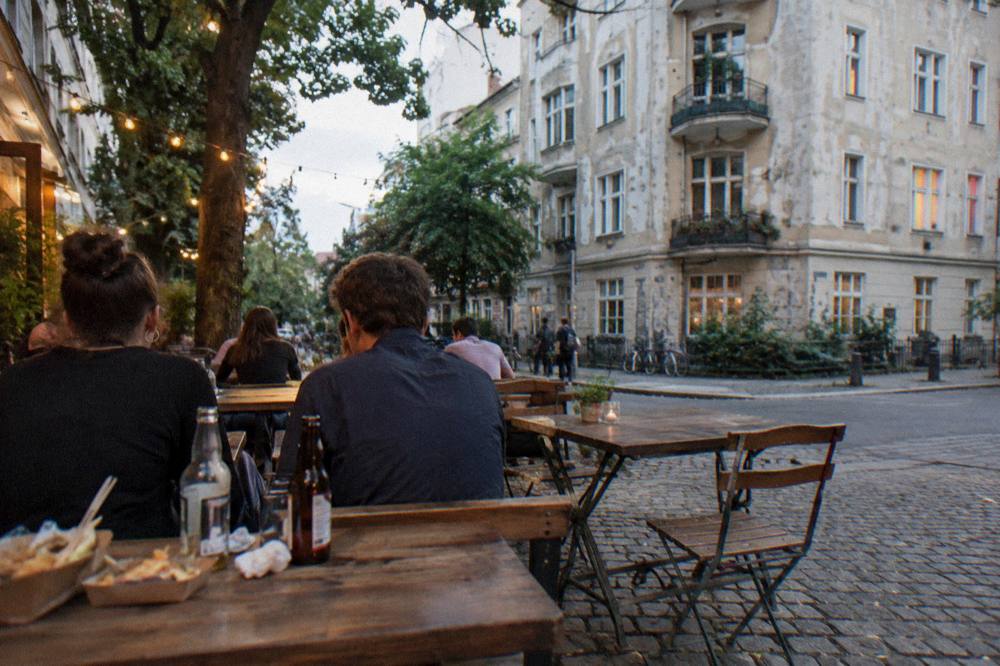
Volume is not the only metric, but it is the one budget planners ask about first. The table below re-sorts the main walks by value features rather than raw price, grouping them by what the extra dollars actually buy. Per-group tours are excluded here since their per-head math depends entirely on party size; both are confirmed on their booking pages as priced for up to ten people.
| Tour | From (per person) | Best for | Rating |
|---|---|---|---|
| Döner Kebab Tour & Sightseeing | $51 | One dish, deep dive, sightseeing included | 4.9 from 57 reviews |
| No Diet Club Street Food Walk | $75 | Cheapest multi-stop meal format | 4.8 from 403 reviews |
| Mitte District, 7 Tastings | $90.01 | Volume and the largest review count | 4.9 from 1,583 reviews |
| Downtown, 8 Tastings | $115 | Most single stops in one walk | 4.9 from 407 reviews |
| Food & Cultural Tour: German Classics | $136.62 | Traditional dishes with a 5.0 rating | 5.0 from 113 reviews |
| East Meets West: Food & Street Art | $172.20 | Culture blend, two neighborhoods | 4.9 from 167 reviews |
| Private East Berlin Tour, Wall & Craft Beer | $142.36 | Private format, history focus | 4.9 from 256 reviews |
Beer walks deserve their own line in the value discussion because they anchor the low end. The historic pubs and Berlin beer tour runs from $84.95 per person with a 5.0 rating across 239 reviews, and the craft beer and culture tour with snack starts from $125.14 with a 5.0 across 364 reviews, remarkable pools for perfect scores. Neither is a meal replacement, but both cost less than several food walks while adding a dimension food-only tours skip. The Berlin beer tour guide maps the full beer and brewery landscape.
For groups, the per-group arithmetic can flip the ranking entirely. The Kreuzberg walk charges one price of $561 for the whole group of up to ten, so a full party of ten splitting it lands near the cheapest per-person walks on the roster, with a private guide included rather than each guest paying separately. Smaller parties should simply compare the per-person price against the small-group options and let the guide-to-guest ratio decide. The private food walk guide runs those numbers properly.
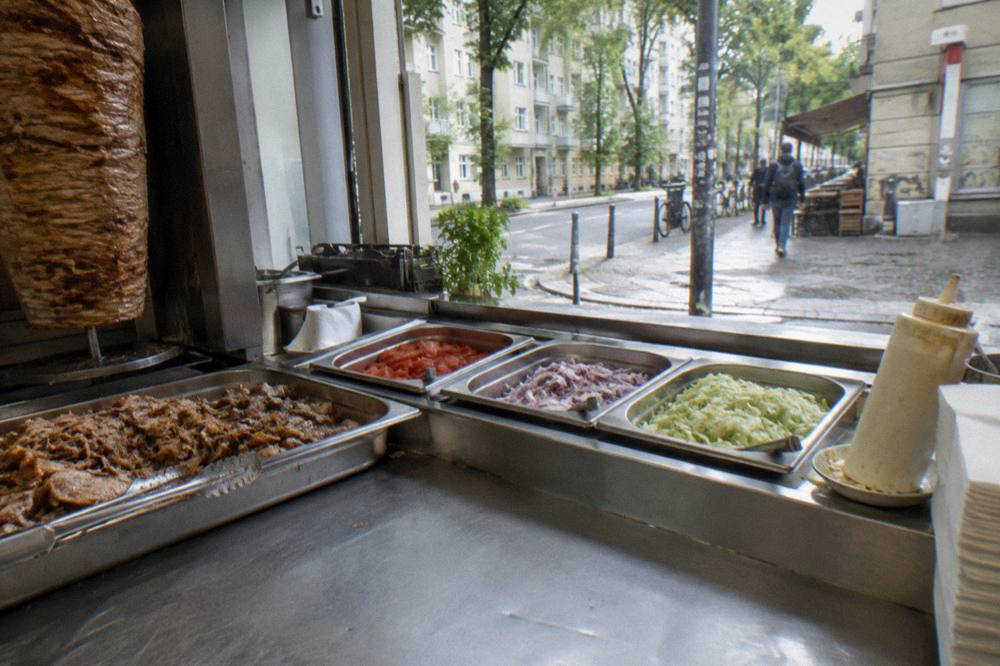
How Should A Budget Planner Book Berlin Eating?
Book one multi-stop tasting walk for the first full day, keep transport to single AB fares at 4,00 EUR unless staying a week, schedule market days around the Tuesday, Thursday and Friday calendar, and leave Sundays for bakeries, restaurants or a booked tour rather than supermarket plans. Reserve the premium tier, private or evening tours, for a second visit or a special occasion.
Sequencing matters more than bargain hunting. The first-day walk doubles as reconnaissance: guides point out the stands worth returning to, which converts every remaining day into cheaper solo eating. Booking before arrival matters less for price than for schedule, since popular small-group walks fill on peak evenings, and the free-cancellation terms on the booking pages make an early reservation low-risk. Match the format to the budget before money changes hands, and the walk selection on the homepage is the quickest way to see every option side by side.
A final note on what not to spend on. Skip anything promising a cooking class, a pub crawl or a boat brunch as part of a food walk package, none of which belong to the options sold here. And treat any tour description guaranteeing specific dishes or specific weather with caution, operators report their stops but kitchens and seasons vary.
Common Questions About Berlin Food Prices
How Much Does A Food Tour In Berlin Cost?
Food tours in Berlin cost from $34 per person for a short food-hall experience up to $561 for a private group of up to ten. Most small-group tasting walks fall between $50 and $150 per person, with durations of roughly three hours.
Is A Berlin Food Tour Worth The Money?
For a first visit, usually yes: a walk bundles five to eight tastings, a route and a guide into one price, and often lands near what solo eating across the same stops would cost. For long stays it is less essential, since travelers learn the cheap stands themselves.
Is Food Expensive In Berlin Compared To Other Capitals?
Berlin remains one of the cheaper western European capitals for eating, especially at the street food and market tier. Fine dining is another matter: the Michelin Guide Germany 2026 lists one three-star and four two-star restaurants in the city.
What Is The Cheapest Way To Get Around Berlin For Food Hopping?
A single BVG ticket in zones AB costs 4,00 EUR and is valid 120 minutes with changes allowed. The Deutschlandticket at 63 EUR per month suits longer stays; from 1 January 2027 it rises to 66,80 EUR.
Can You Buy Food In Berlin On A Sunday?
Supermarkets close on Sundays except at stations. Bakeries and confectioners may open until 16:00, tourist-need shops from 13:00 to 20:00, and restaurants, cafes and street kitchens operate normally.
Are Berlin Markets Free To Enter?
Yes. Street Food Thursday at Markthalle Neun, the Turkish market at Maybachufer and Winterfeldtmarkt all have free entry; visitors pay only for what they eat. Christmas markets including Alexanderplatz and Lucia are also free to enter.