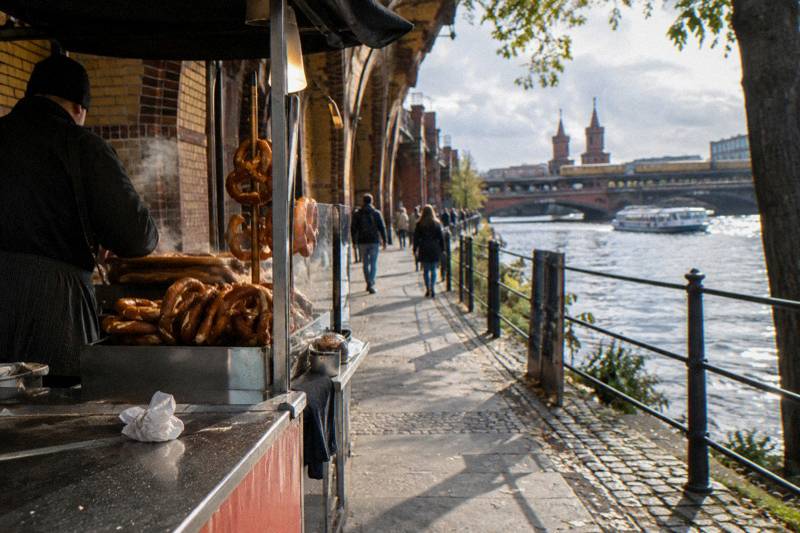
How Did Currywurst Start?
The origin story of currywurst, credited to Herta Heuwer in Berlin in 1949, how Berliners order it today, and the guided street food walks where you can taste it.
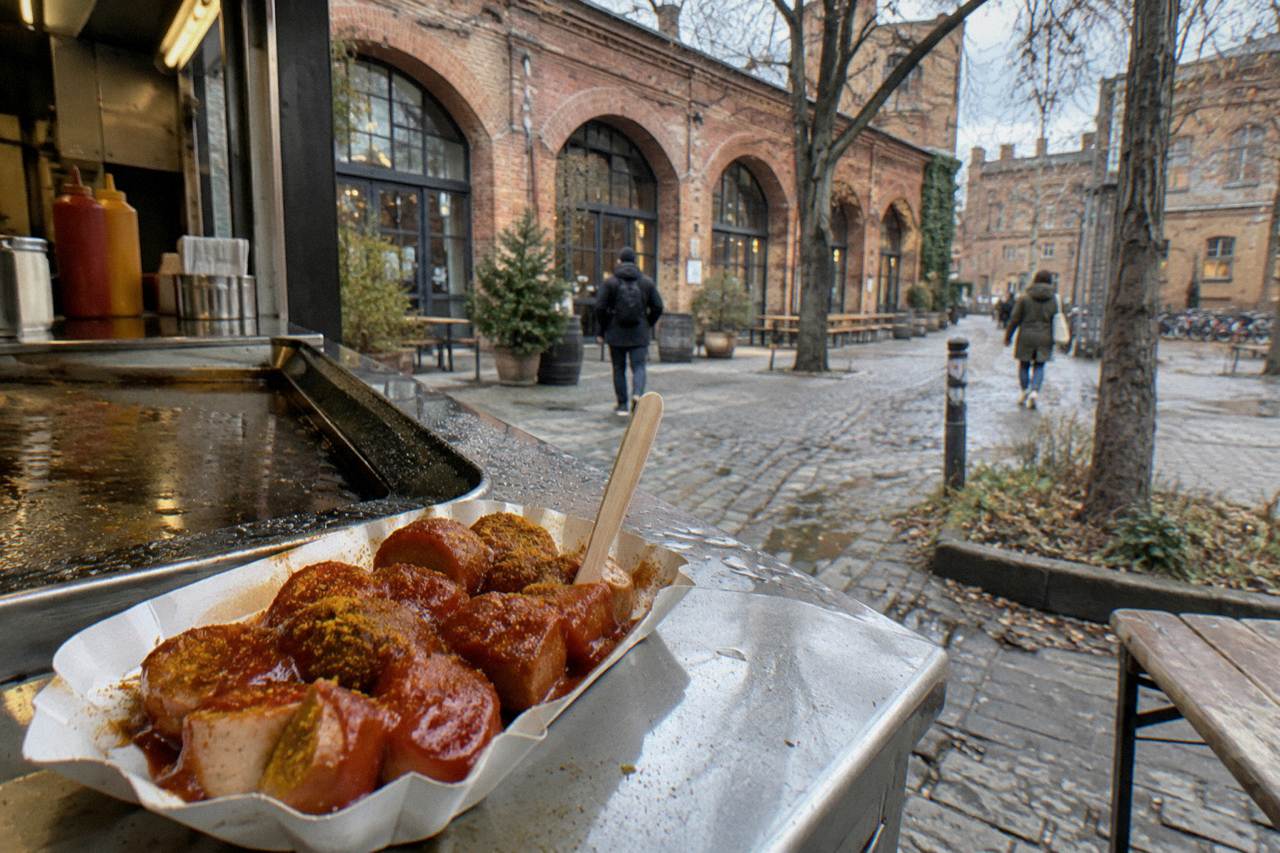
Currywurst is credited to Herta Heuwer, a snack-stall operator in post-war Berlin who is said to have created the sauce in 1949 by mixing tomato ketchup, curry powder, Worcestershire sauce and other seasonings she had traded for, then pouring it over sliced fried sausage. The story is told everywhere in Berlin, on plaques, in museums and by every stall owner with an opinion, though historians describe it as a credit rather than a certainty. What is not disputed is the outcome: a humble sausage with spiced sauce became one of the city's defining dishes, an anchor of Berlin street food culture that now appears on guided food walks alongside doner and craft beer. To taste it in context, our guide to the must-eat foods of Berlin covers currywurst, doner, Pfannkuchen and the other local dishes worth queuing for.
If the story hooks you, the natural next step is tasting it in context. The Mitte walk with seven tastings includes currywurst alongside doener and local drinks over 3 hours, from $90.01, rated 4.9 across 1,583 reviews, and it is a good fit for readers who want the sausage and the story in one evening.
The dish is credited to Herta Heuwer in Berlin in 1949, when she is said to have created the now-standard sauce of ketchup, curry powder and Worcestershire sauce at her snack stall in the British-occupied sector, and served it over sliced, fried bratwurst. The origin tale is Berlin's favourite food legend, repeated in guidebooks and museums alike, and it is usually told with the detail that Heuwer obtained the curry powder from British soldiers, trading spirits or other goods before mixing her first batch in a improvised kitchen. The credit belongs to her in nearly every telling, though food historians hedge, because dishes rarely have a single inventor and similar spiced-sausage experiments were happening across the rubble-era city. What the 1949 date marks is the moment a specific recipe stuck, got a name and started spreading.
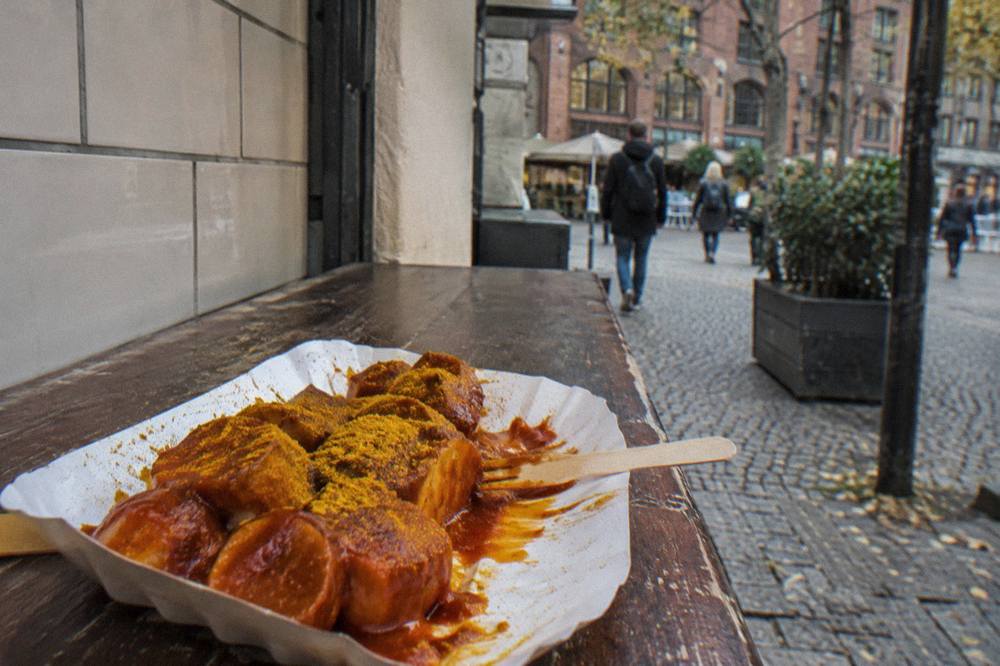
The post-war setting matters as much as the recipe. Berlin in 1949 was a divided, half-destroyed city with hungry populations, occupying troops and black-market trade in everything from cigarettes to spices. Snack stalls, called Imbissbuden, were one of the few businesses almost anyone could start with a grate, a pan and a street corner. Into that world came a sauce that turned a cheap sausage into something with heat, sweetness and a colour nobody had seen on a Berlin counter before. The city's street-food culture, the same one that later produced the doner kebab boom described in the Berlin doner and kebab guide, grew out of exactly these stalls.
The dish spread quickly through West Berlin and then West Germany, becoming a factory-worker's lunch, a late-night standard and eventually a point of regional pride, with dozens of cities later claiming their own twist on it. Berlin kept the strongest claim, partly because Heuwer patented her sauce, partly because the city embraced the dish as its own. A museum dedicated to currywurst even operated in Berlin for years, and a commemorative plaque marks the spot of Heuwer's original stall in Charlottenburg.
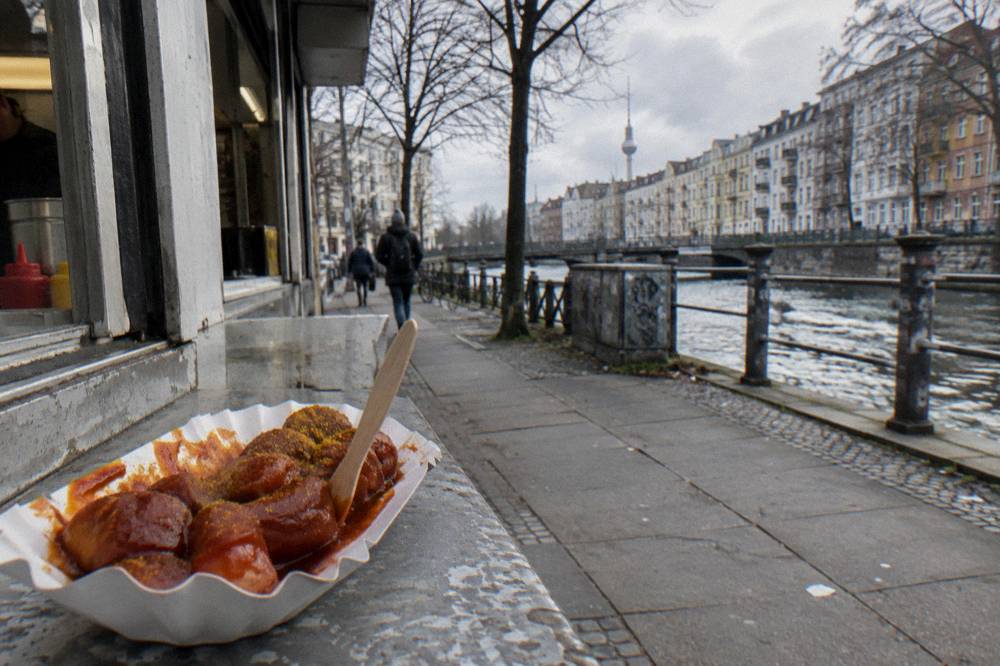
For readers whose curiosity ends at the plate rather than the archive, the practical takeaway is simpler: currywurst is still street food first, eaten standing or walking from a paper tray with a small wooden fork. A guided walk such as the one featured on Berlin Food Tours stops at exactly these kinds of counters, and the options below all work for a first-timer who wants the dish served with its story.
All three are booked through the operator's booking page.
Who Was Herta Heuwer And Where Did The First Stall Stand?
Herta Heuwer ran a snack stall at the corner of Kantstrasse and Kaiser-Friedrich-Strasse in Charlottenburg, in the British sector of Berlin, and the site is commemorated today with a plaque, while her sauce recipe is widely described as the blueprint for every currywurst sauce since. She was a restaurant worker turned stall owner, one of many women who rebuilt small food businesses in the ruins, and she is said to have traded gin or rum with British troops for ketchup and curry powder, ingredients that were nearly impossible to buy in Berlin at the time.
Her sauce, by the common telling, was not simply ketchup with dust. It blended tomato paste or ketchup with curry powder, Worcestershire sauce and a mix of other spices into a slightly thickened, pourable sauce, sweet and sharply spiced at once, served warm over sausage sliced into bite-sized pieces and dusted with more curry powder on top. She is credited with patenting the mixture in the years after the war under the name Chillup, a portmanteau of chilli and ketchup, which is the strongest documentary anchor the origin story has.
Heuwer ran her business for decades, by most accounts a modest figure who never grew rich from the dish, though the city eventually gave her the plaque and a lasting place in its food history. Charlottenburg foodies will find the corner a quiet stop today, more memorial than pilgrimage, worth five minutes if you are already in the west of the city around the Ku'damm. That area has been quietly adding new restaurants and cafes through late 2026, according to local press reports, so the district rewards a slow walk even beyond the plaque.
The story's appeal is exactly why guided food walks in Berlin lean on it. A good guide stands you in front of a sizzling griddle, tells the Heuwer tale and hands you a fork, which beats reading a plaque any day. The deep background lives in the dedicated currywurst history and sauce guide, which covers the sauce anatomy in detail.
Is Currywurst Really A Berlin Invention?
The Berlin version is the one with a name and a place attached: Herta Heuwer, a snack-stall owner whose 1949 stall in Charlottenburg is the anchor every Berlin telling returns to. Even so, the claim cannot be proven to a courtroom standard, which is why careful writers say "credited" rather than "invented".
What tips the weight toward Berlin is the paper trail. Heuwer's patent filing, the commemorative plaque in Charlottenburg and decades of Berlin institutional embrace, from museum exhibitions to the dish's role in films set in the city, give Berlin a documented case. Numbers help too, in a loose way: the city consumes enormous quantities of currywurst annually by common estimate, and the dish is as tied to Berlin's identity as the doner kebab, whose similar origin debate is traced in the doner history piece.
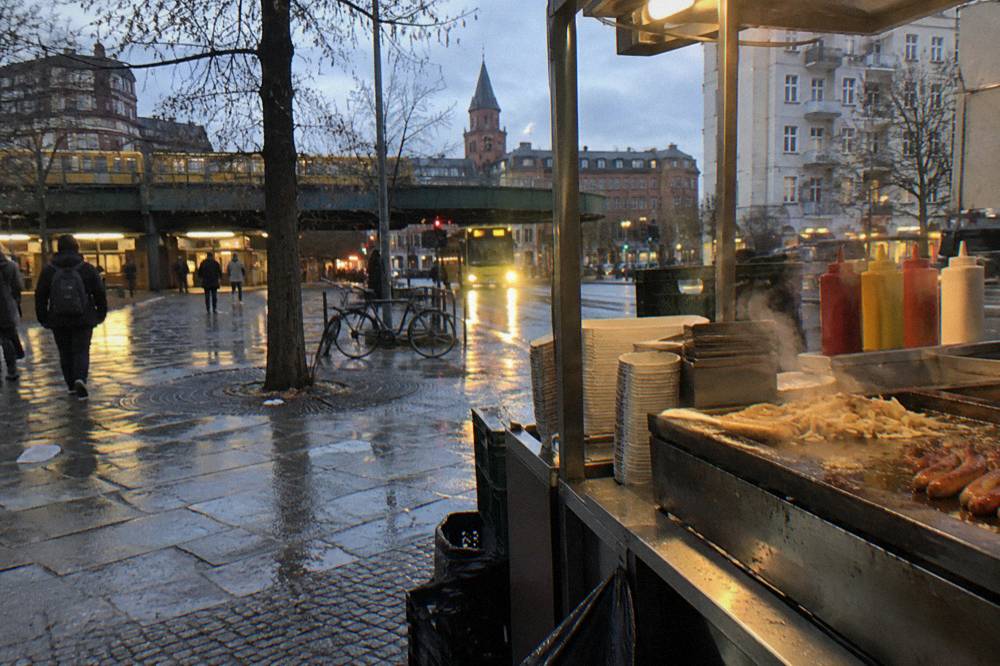
For a visitor, the debate is a feature rather than a problem. Arguing about where a dish began is half the fun of eating it, and Berlin's stall owners happily defend their version. The practical question is not who invented it but where to eat it well, which leads to the ordering rituals in the next section.
| Origin claim | City | Core story | Evidence status |
|---|---|---|---|
| Herta Heuwer, 1949 | Berlin | Stall owner mixes ketchup, curry powder and Worcestershire sauce, later patents "Chillup" | Widely credited, patent documented, plaque in Charlottenburg |
| General post-war Imbiss scene | Various | Spiced-sausage experiments common across occupied Germany | Plausible context, no single name |
How Do Berliners Order Currywurst?
The standard order is sliced sausage with curry sauce, and the only real customisations Berliners make are with or without the casing, and with fries or a bread roll on the side, though every stall has its own habits and the counter is the place to learn them. Ordering is fast and blunt. Asking for currywurst ohne Darm gets you a casing-less sausage, softer in texture and the preference of many regulars, while mit Darm keeps the snap of the natural casing. The classic accompaniment is Pommes, fries, usually with a squiggle of mayonnaise or a mix of ketchup and mayo, and a Schrippe, a bread roll, is the old-school alternative for soaking up sauce.
Visitors are not expected to master slang. Pointing, asking for "one currywurst with fries" and paying at the counter works everywhere, and most stalls in central Berlin handle English without complaint. The staff will usually ask the casing question themselves if you hesitate. What matters more is pace: currywurst is standing food, eaten within minutes of assembly, when the sauce is still warm and the fries still crisp. The fuller ritual, including how the sauce differs between stalls and how locals argue about it, is laid out in how to eat currywurst like a Berliner.
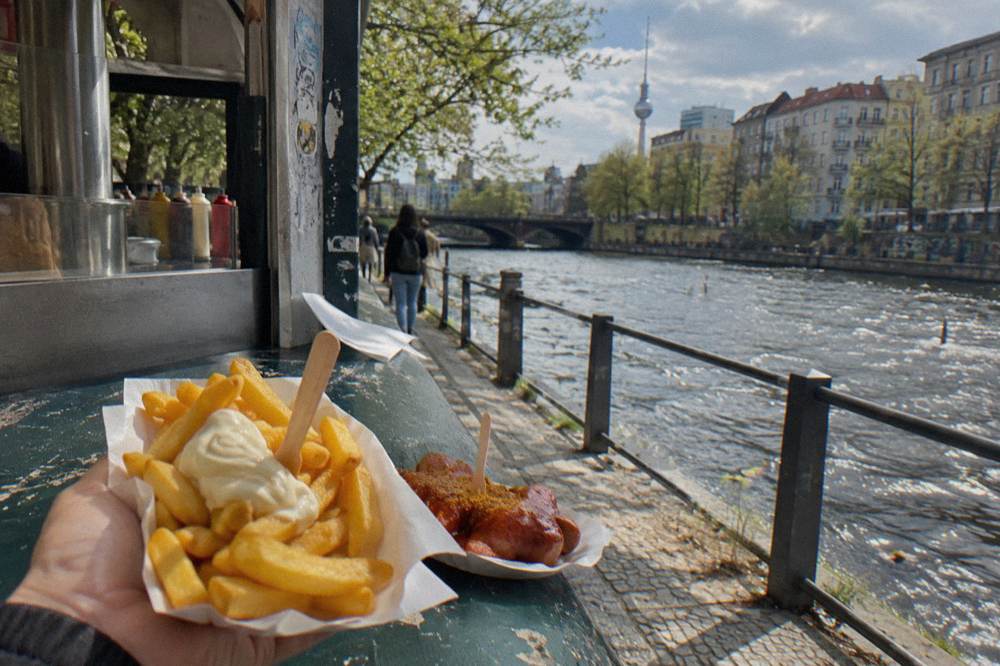
Two honest notes for first-timers. First, sauce recipes vary a lot between stalls, from sweet and mild to sharply spiced, so one bad currywurst does not condemn the dish, try another stand. Second, no currywurst price is printed here because dish prices are not verified, only tour prices are, and any euro figure you see quoted for a portion online should be treated as a rough planning range and checked at the counter.
| Order phrase | What you get | Notes |
|---|---|---|
| Currywurst mit Darm | Sausage with natural casing, sliced, with sauce | Snappier bite, the traditional default |
| Currywurst ohne Darm | Casing-less sausage, sliced, with sauce | Softer texture, common regulars' choice |
| Mit Pommes | Fries on the side | Often served with mayo or rot-weiss sauce |
| Mit Schrippe | Bread roll on the side | The old-school sauce-soaker |
Where Can You Eat Classic Currywurst In Berlin Today?
Two names come up constantly and may be named here as well-known stands, Curry 36 and Konnopke's Imbiss, both long-established Berlin institutions, though no prices, hours or queue claims are made for either, and the honest answer is that dozens of unglamorous Imbiss stalls across the city serve an equally good plate. Curry 36 is the best-known name in the scene, a high-volume stand whose reputation travels ahead of it, and Konnopke's Imbiss in Prenzlauer Berg is a family-run fixture under the U-Bahn arches of Eberswalder Strasse, famous long before the district gentrified around it. Both are safe bets for a first plate.
Beyond the famous two, the practical advice is geographic. Mitte and Kreuzberg concentrate plenty of stalls near markets and nightlife streets, Prenzlauer Berg holds its own around Kollwitzplatz and the Kulturbrauerei, and Charlottenburg, where the dish began, still has solid traditional counters around Kantstrasse. Choosing a stall near another food stop you already planned, a market hall, a bakery, a brewery taproom, beats crossing the city for a single sausage. The stand-by-stand rundown, with the sauce philosophy of each, lives in the best currywurst stands in Berlin guide.
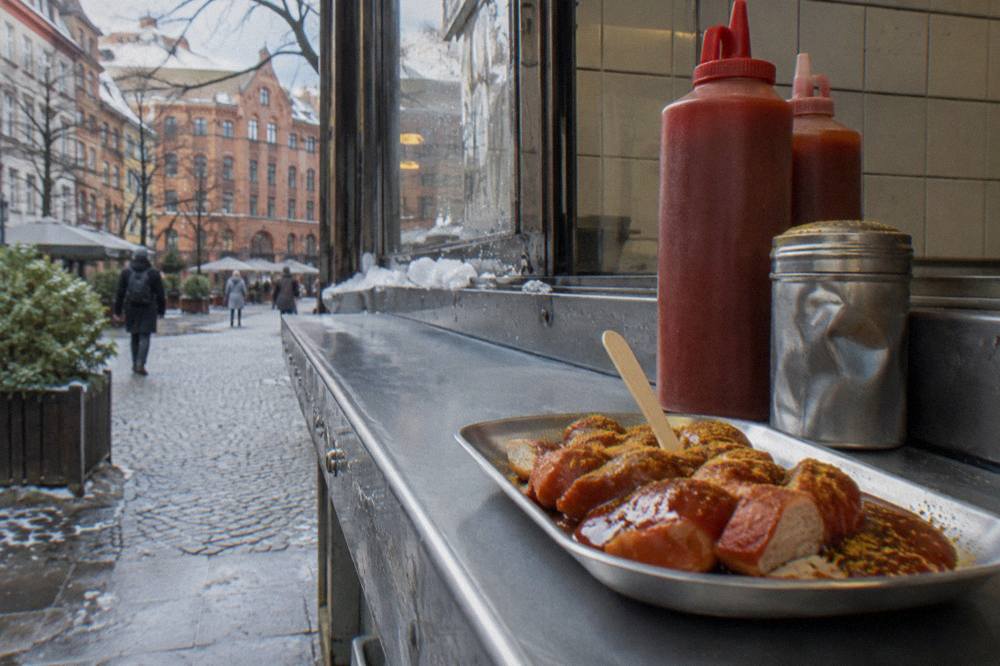
If you would rather skip the guesswork, a guided walk does the choosing for you. The 2-Hour Food and Beer Tour, 2 hours from $79.21, rated 4.9 across 84 reviews, includes a currywurst tasting, East Berlin style or West, and threads classic street snacks into one route with a guide who tells the Heuwer story where it belongs, at a counter, fork in hand.
Can You Taste Currywurst On A Guided Berlin Street Food Walk?
Yes, currywurst appears on the city's guided street-food walks, most directly on the Mitte walk with seven tastings, which runs 3 hours from $90.01 per person and is rated 4.9 across 1,583 reviews, while the Markthalle Neun walk, from $97 for about 2.5 hours, focuses on organic German specialties and a craft IPA rather than currywurst specifically. A guided format suits the origin-story reader especially well, because the dish's history is oral history, best delivered standing next to a griddle, and because a guide will route you past stands you would never find alone. If you would rather explore that market hall at your own pace, our guide to Markthalle Neun and its famous street food nights covers what to eat, when to go, and which food walks pair well with a visit.
The Markthalle Neun option deserves its own word. The hall in Kreuzberg runs its famous Street Food Thursday every Thursday from 17:00 to 22:00, with dates listed through November 2026 on the official Markthalle Neun market page, and the guided food tour with craft beer built around the hall runs about 2.5 hours from $97. The tour has no reviews yet, so judge it on format and price rather than stars.
For a shorter, cheaper introduction, the KERB food hall experience runs from $34 and is exactly what it sounds like: a guided graze through a modern food hall with drinks, short enough to slot into an afternoon. Its review pool is small too, 12 reviews, so no star claim is made here. Pair it with a self-guided currywurst stop beforehand and you have a full street-food day for a modest combined spend.
What Else Should Currywurst Fans Know About Berlin Street Food?
Getting between Berlin's food districts is cheap and simple, with a single BVG AB ticket at 4,00 EUR valid for 120 minutes including changes, and the big weekly and street-food markets run on fixed weekday schedules, so a little planning turns one sausage stop into a full day of grazing. The fare facts come straight from the BVG single-ticket price table: AB covers the whole city proper, children 6 to 14 pay a reduced 2,50 EUR, and a longer stay can be covered by the Deutschlandticket at 63 EUR per month, rising to 66,80 EUR from 1 January 2027. For a two-day food trip, singles or a day pass beat a monthly ticket by a wide margin.
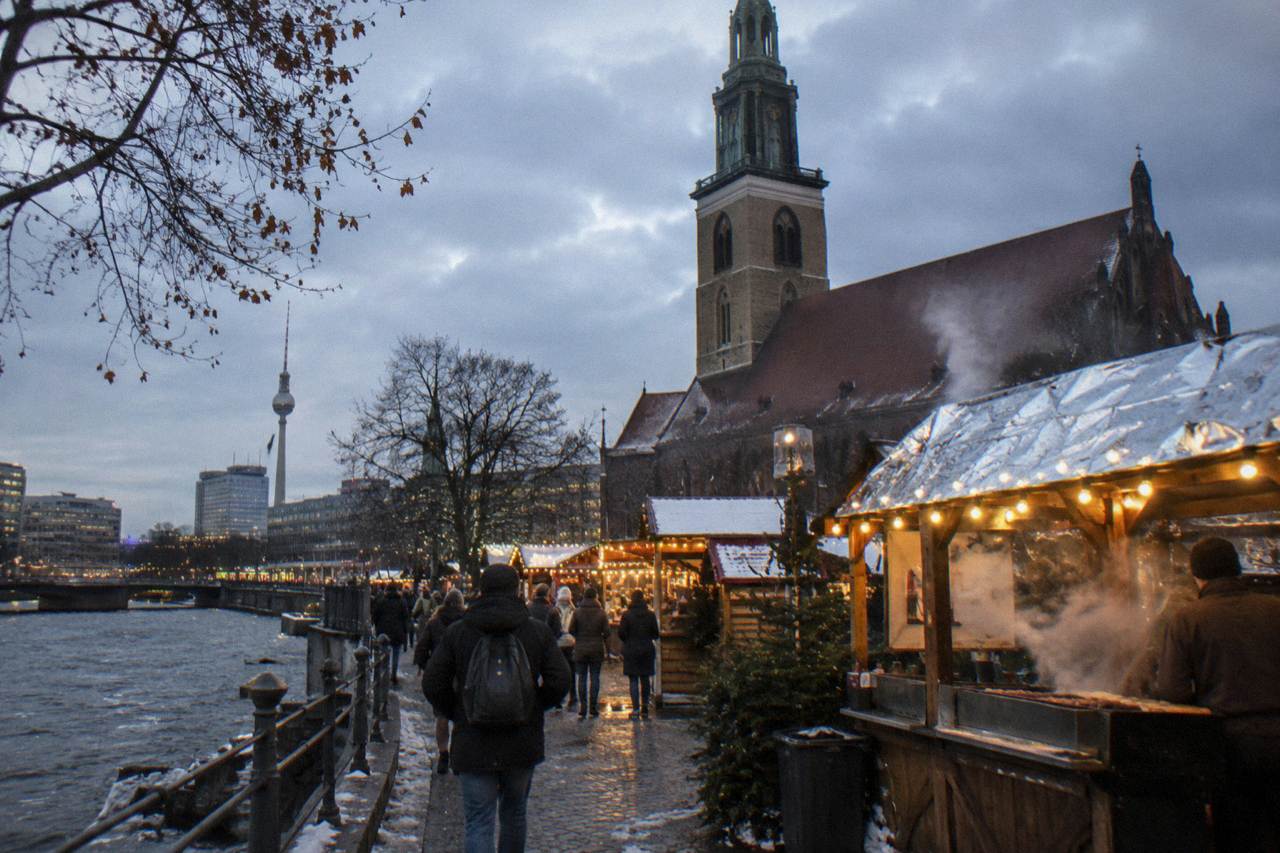
Sunday planning matters more than transport. Shops in Berlin close on Sundays by law, with limited exceptions for bakeries until 16:00 and station shops, per the city's official shop-opening-hours rules, so a Sunday food day should lean on markets where they run, Imbiss stalls and food halls rather than supermarkets. Winter visitors get a bonus: from 23 November 2026 the Christmas markets open, including the free-entry Alexanderplatz market running daily 11:00 to 22:00, and their Wurst and Glühwein stalls are currywurst's cold-weather cousins, as the Berlin Christmas market food guide explains in full.
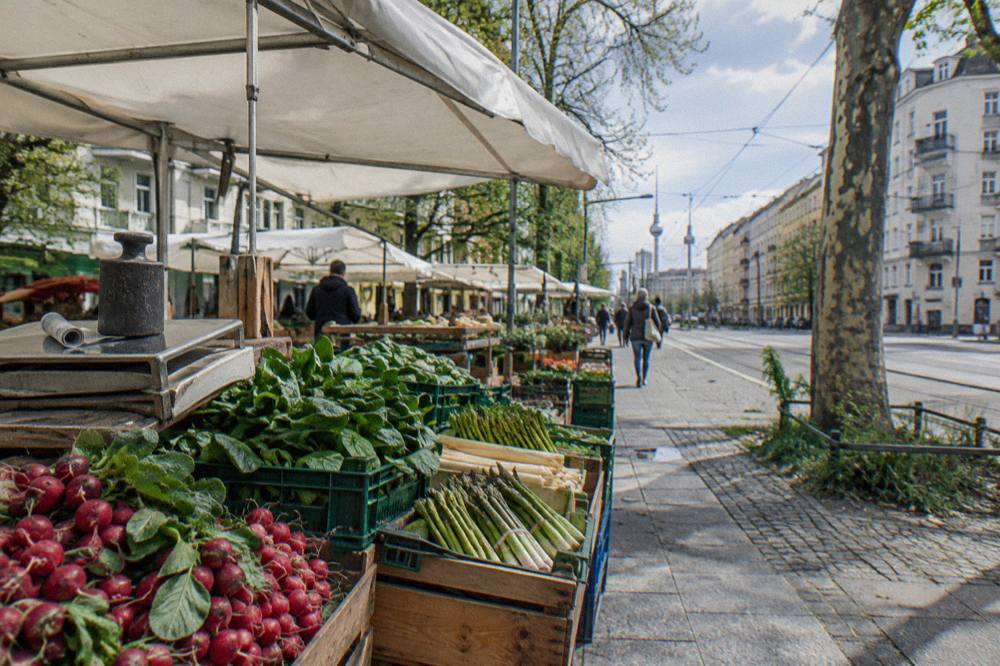
The last practical note is seasonal. Currywurst is a year-round dish, but Berlin winters are real: Deutscher Wetterdienst 1991 to 2020 normals for Alexanderplatz put January's mean at 1.5 C with 48.8 mm of precipitation, so a standing-at-a-stall snack in January is a brisker affair than the same tray in July's 20.4 C mean. Winter models for 2026/27 point milder and wetter than average, so pack for rain over snow and treat a warm Imbiss counter as shelter as much as food.
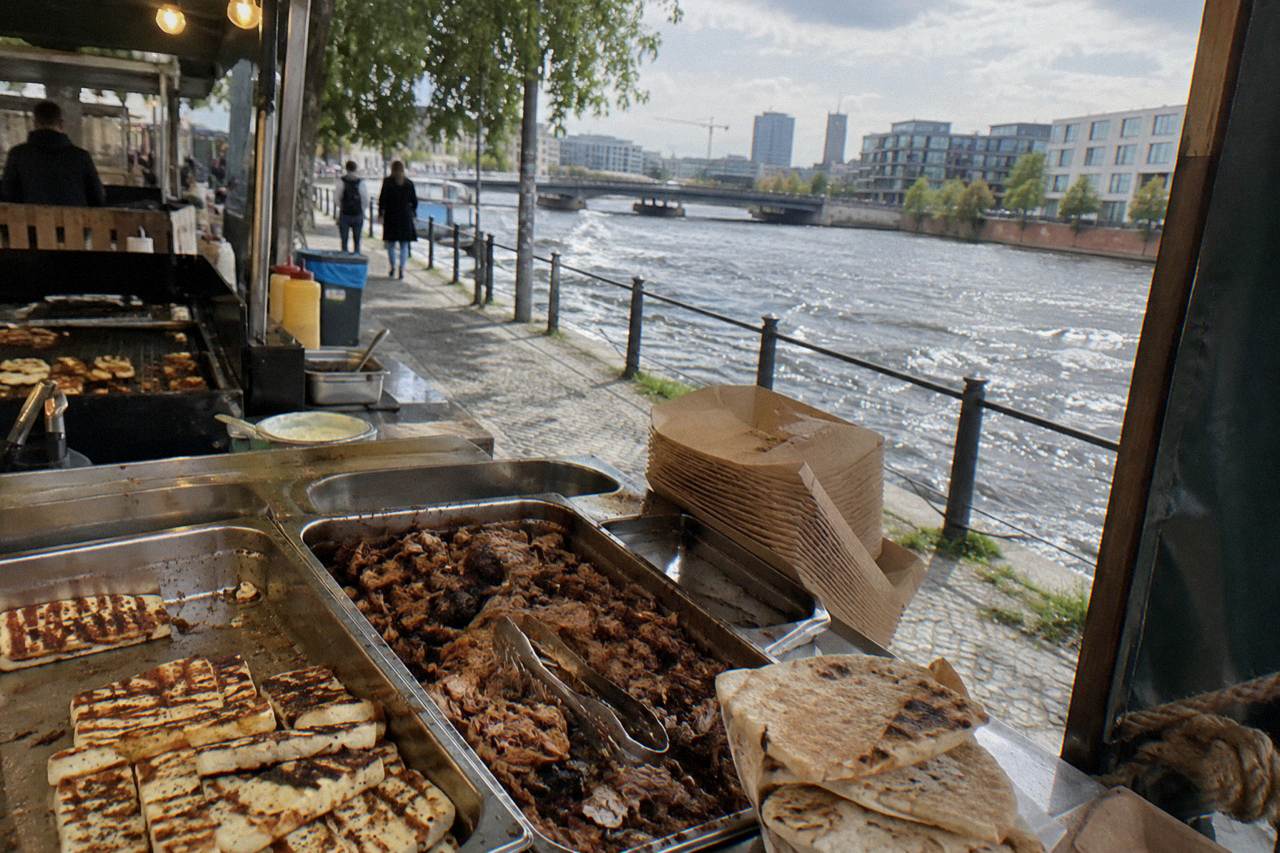
However you structure the day, currywurst rewards the curious. Read the plaque in Charlottenburg, argue the origin story over a tray, order ohne Darm at least once, and let a guide connect the 1949 story to the stall in front of you. The walk below delivers that connection, and it is bookable straight through the operator's booking page.
Common Questions About Currywurst In Berlin
How Did Currywurst Start?
Currywurst is credited to Herta Heuwer, a snack-stall owner in Berlin's Charlottenburg district, who is said to have mixed ketchup, curry powder and Worcestershire sauce in 1949 and served it over sliced fried sausage. She later patented the sauce under the name Chillup. The credit is Berlin's strongest origin claim, though food historians hedge it as a credited story rather than proven fact.
Who Invented Currywurst, Herta Heuwer Or Someone Else?
Herta Heuwer is the name history attached to the dish, thanks to her sauce patent and the commemorative plaque at her old stall corner in Charlottenburg. Berlin's claim is the one repeated by the city's own museums and food guides.
How Do You Order Currywurst In Berlin?
Ask for a currywurst and choose mit or ohne Darm, with or without the sausage casing, then add either fries or a bread roll. The sauce and curry powder dusting come as standard. Pointing works fine at every stall, and staff usually ask the casing question themselves if you hesitate.
Which Currywurst Stands Are Famous In Berlin?
Curry 36 and Konnopke's Imbiss are the two best-known names, both long-established and both frequently recommended. No prices, hours or queue claims are made for either here, and honestly dozens of ordinary Imbiss stalls across Mitte, Kreuzberg and Prenzlauer Berg serve a plate just as good.
Can You Try Currywurst On A Guided Tour In Berlin?
Yes. The Mitte walk with seven tastings runs 3 hours from $90.01, rated 4.9 across 1,583 reviews, and includes currywurst among its stops with a guide who tells the origin story along the route. The 2-Hour Food and Beer Tour, 2 hours from $79.21, includes a currywurst tasting, East Berlin style or West.