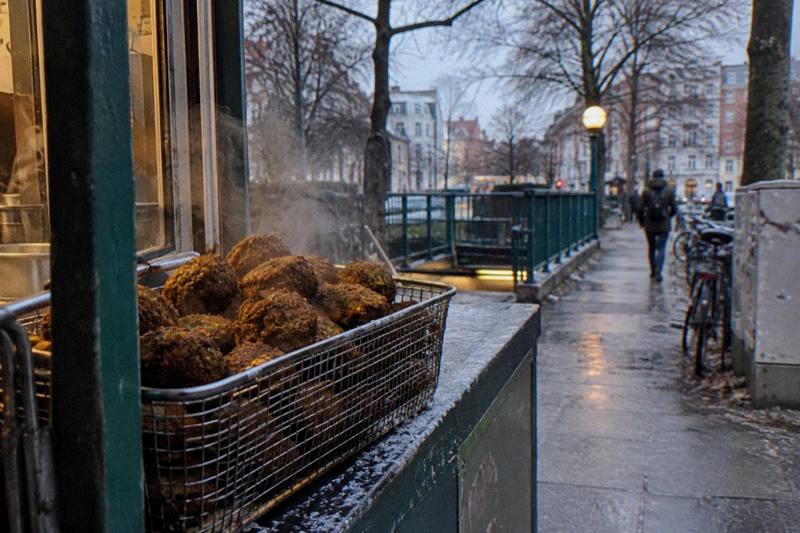
Turkish Food In Berlin: Little Istanbul And Beyond
Turkish cooking shaped how Berlin eats, from the doner kebab to the weekly market on the Maybachufer. This guide maps the neighborhoods, the dishes and the walks that tie them together.
Short answer
Berlin's Turkish food scene centers on Kreuzberg around Kottbusser Tor, the stretch locals call Little Istanbul, and on Neukölln's markets and grills. A guided walk runs from about $51 per person for the doner tour to about $118 for a Kreuzberg and Neukölln tasting walk.
Turkish grocery shops, tea houses and grills are stitched through the everyday fabric of the city, and no visitor with an appetite should skip them. The community that built this scene arrived as guest workers and settled densely in Kreuzberg and, later, Neukölln, two districts that still carry a strong Turkish imprint. The doner kebab as a handheld sandwich is widely credited to Turkish guest workers in Berlin in the early 1970s, and the city has been arguing about who makes the best one ever since. What follows is a working map of where the food lives, what to order and how a guided walk can tie it together in a single afternoon.
Where Is Little Istanbul In Berlin?
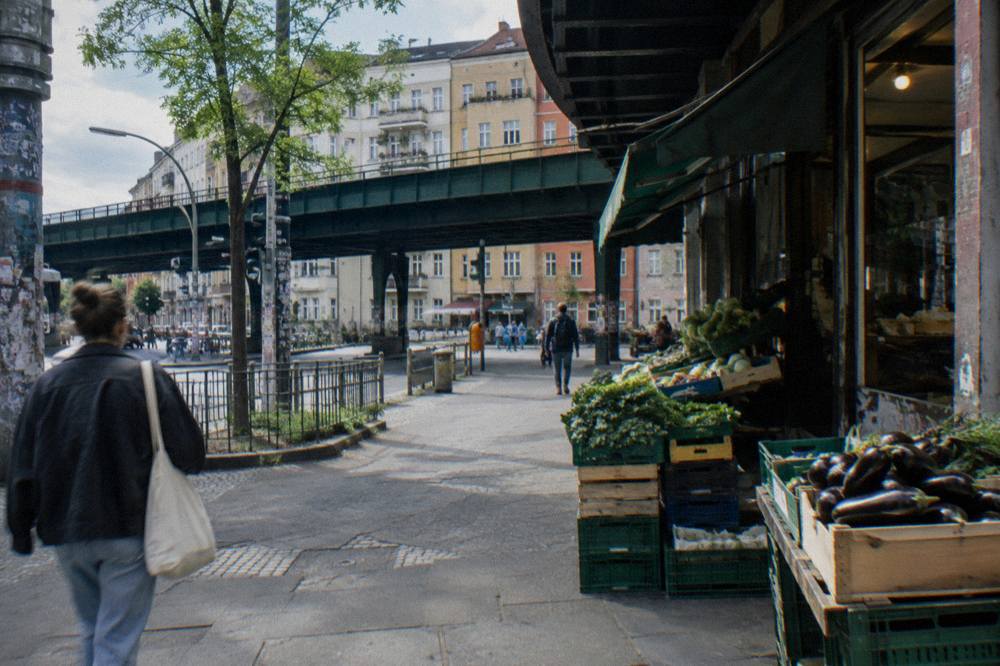
Little Istanbul is the informal name for the Kreuzberg streets around Kottbusser Tor and down through Wrangelkiez, roughly along Oranienstrasse and Adalbertstrasse, where Turkish grocers, bakeries, tea houses and grill houses sit shoulder to shoulder in a few walkable blocks. No sign announces it and no map draws its border, but any walk from Kottbusser Tor station south and east makes the shift obvious within a block or two. The name is a local shorthand, not an official district, and Berliners use it loosely, sometimes stretching it toward the northern edge of Neukölln where the scene continues along Karl-Marx-Strasse.
The geography matters for a food visitor because the density is the point. Elsewhere in the city you find a Turkish bakery here, a kebab shop there. Around Kottbusser Tor you get whole storefronts of olives and cheeses, butchers, simit sellers and pastry counters stacked with borek, all within a five minute walk of each other. That density came from housing as much as appetite: cheap working-class tenement housing in Kreuzberg housed the arriving workers, and the shops followed the kitchens.
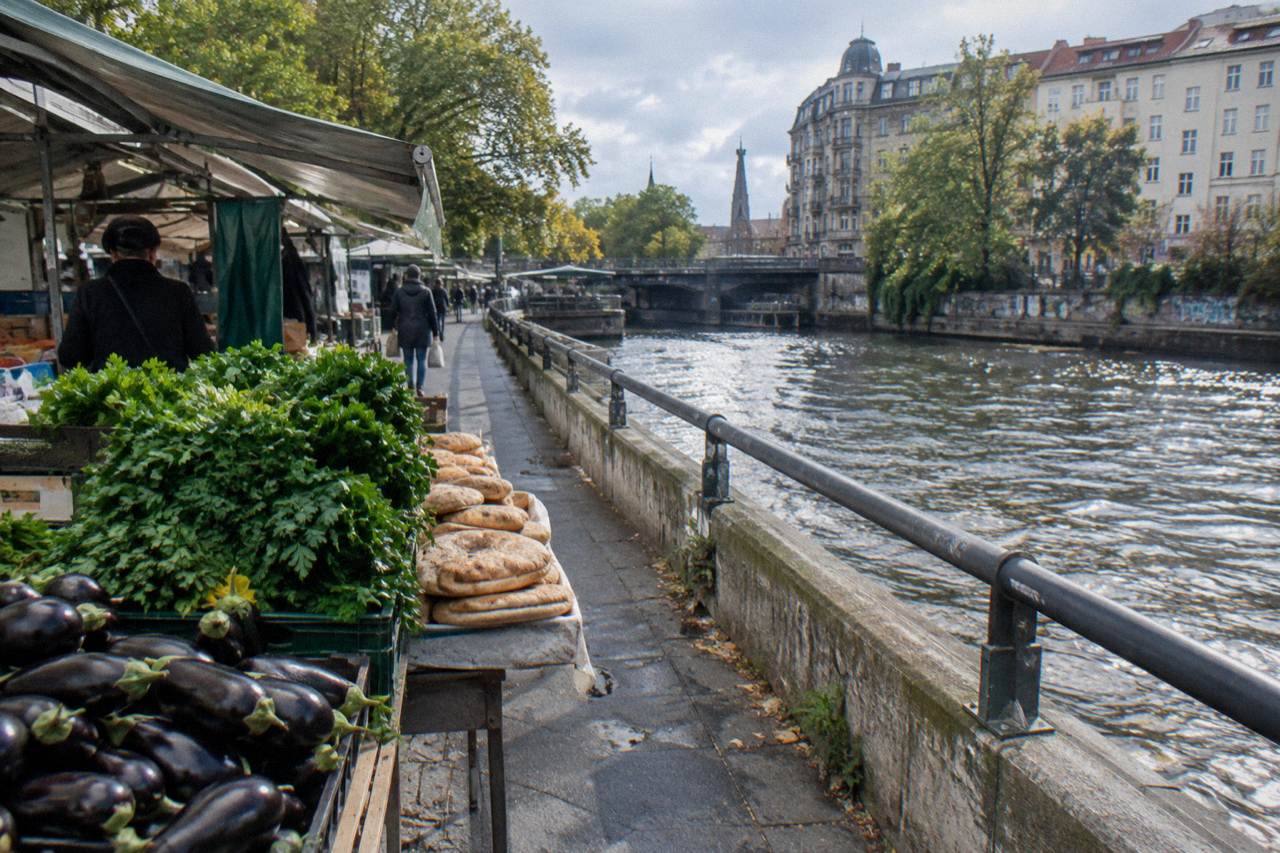
Neukölln is the second act. As Kreuzberg gentrified over recent decades, Turkish businesses spread east and south, and today the stretch around Hermannplatz and Karl-Marx-Platz carries a scene that is arguably more everyday, less curated for visitors. The Maybachufer market on its Tuesday and Friday runs brings produce stalls and Orientalischer Markt traders to the canal, and it is the single best place to watch the community shop. The Maybachufer Turkish market guide covers that market in detail.
Getting there is simple. Kottbusser Tor sits on the U8, and a single BVG AB ticket at 4,00 EUR covers the ride with 120 minutes of validity, enough to arrive and transfer once; BVG's single-ticket price table lists the current fares for both AB and ABC zones. Most visitors staying in Mitte are twenty minutes from the heart of the scene.
What Turkish Dishes Should You Try In Berlin?
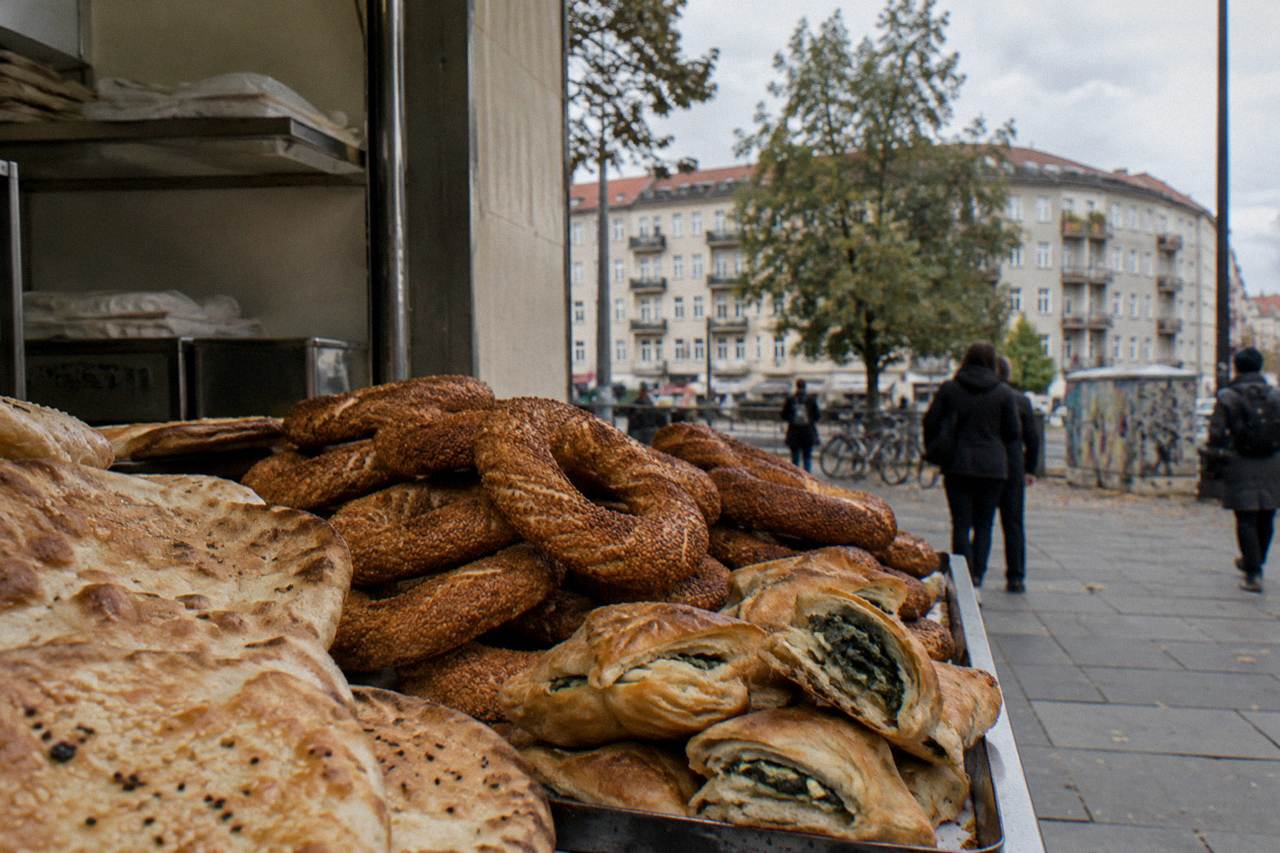
Start with lahmacun, the thin flatbread baked with spiced minced meat; add borek, the flaky filled pastry sold by weight in Turkish bakeries; then work through doner in its bread and durum wraps, and finish, or pause, with Turkish tea or a glass of ayran alongside. None of these needs translation or courage. They are everyday foods sold at everyday prices, and the versions around Kottbusser Tor are the ones against which Berliners measure every imitator in the rest of the city.
The grill category deserves its own attention. Adana kebab, minced lamb molded around a skewer and charred over open flame, and its milder sibling Urfa, appear on the menus of the larger grill houses in Kreuzberg and Neukölln. Pide, the boat-shaped flatbread baked with cheese, spinach or minced meat, turns a bakery into a full lunch stop. Sweets matter too: baklava in its pistachio-heavy Gaziantep style is sold by the plate or the kilo, and a slice of kadayif or a cube of lokum with tea makes a proper finish.
The tea houses and cafés are not an afterthought, they are infrastructure. Sitting down with a glass of cay is the cheapest anthropology in Berlin. Order by pointing if the menu is Turkish only; nobody expects a phrasebook, and a nod travels far.
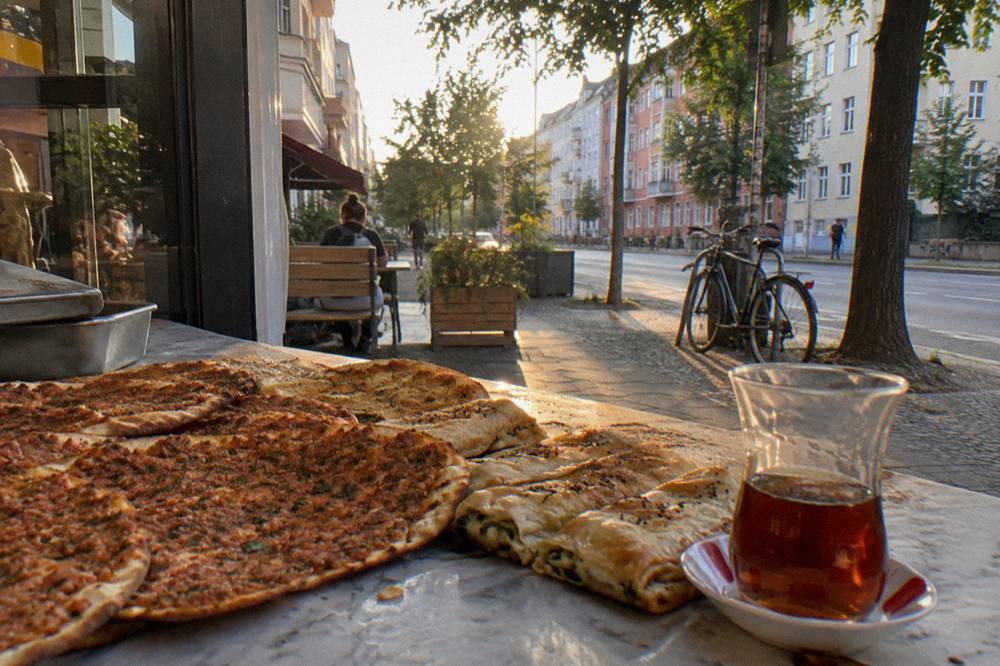
Here is a short working list of what to look for and how it typically turns up:
| Dish | What it is | Where you usually find it |
|---|---|---|
| Lahmacun | Thin flatbread with spiced minced meat, baked fast and eaten rolled | Turkish bakeries in Kreuzberg and Neukölln |
| Borek | Flaky layered pastry filled with cheese, spinach or minced meat, sold by weight | Bakery counters and market stalls |
| Doner kebab | Rotisserie meat in bread or a durum wrap, the Berlin sandwich classic | Kebab shops citywide, densest around Kottbusser Tor |
| Pide | Boat-shaped baked flatbread topped with cheese, spinach or meat | Grill houses and pide bakeries |
| Adana and Urfa | Hand-molded minced lamb or beef skewers grilled over flame | Larger grill houses in Kreuzberg and Neukölln |
| Baklava | Layered pistachio or walnut pastry in syrup, sold by plate or kilo | Sweet shops and grocers |
| Cay | Small tulip glasses of black tea, often refilled | Tea houses, cafés, market stalls |
If you want those stops unpacked by someone who knows which counter to approach, the tasting walks below are the shortcut.
How Did Doner Kebab Start In Berlin?
The doner kebab as a sandwich, meat shaved from a vertical spit and tucked into bread with salad and sauce, is widely credited to Turkish guest workers in Berlin in the early 1970s, though no single inventor claim can be stated as settled fact. Several cooks are part of the story Berlin tells about itself, and the dispute over who first put the meat in bread rather than on a plate is a running local argument. What is not disputed is the result: the doner became the working lunch of the entire city and then spread across Germany and Europe.
The vertical spit itself predates Berlin. Rotisserie meat has a long history in Turkish cooking, served over rice or on a plate. The Berlin contribution, under the widely credited framing above, was the portability: bread, a heap of salad, a drizzle of sauce, everything a shift worker could eat standing up between factory hours. That format matched a city of students, taxi drivers and night workers, and the shops multiplied accordingly.
For a visitor, the history is walkable. The doner kebab tour with historical sites runs about 3 hours, is rated 4.9 across 57 reviews, and costs from $51 per person, with a gourmet doner stop included alongside the sightseeing. It is a direct way to connect the sandwich to its history. The deeper background on bread, meat and ordering etiquette sits in the Berlin doner kebab guide.
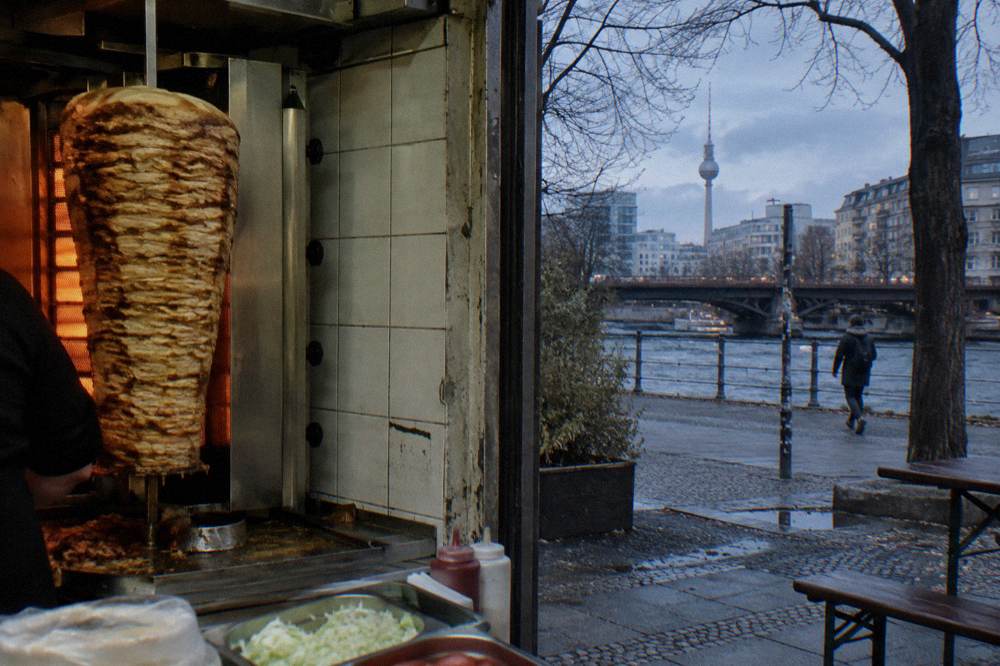
One stop earns its fame separately. Mustafa's Gemüse Kebap on Mehringdamm is a famous stand whose long queue is regularly reported in the press; it is a chicken doner loaded with vegetables rather than a classic doner,
Which Berlin Neighborhoods Have The Best Turkish Food?
Kreuzberg around Kottbusser Tor and Wrangelkiez is the historic core, Neukölln around Hermannplatz and Karl-Marx-Strasse is the everyday working scene, and Wedding in the north carries a quieter, deeply rooted Turkish presence with almost no visitor footfall at all. All three reward walking; only the first two sit on most visitors' routes, and the difference between them is atmosphere rather than quality, since the same dishes and the same counter formats appear in each.
Kreuzberg is where the story happened and where the density still peaks. The blocks between Kottbusser Tor and Görlitzer Park hold decades-old bakeries beside newer arrivals, and the Kreuzberg food walk guide maps a route through doner, the Turkish market and street food in one loop. The district also carries the city's broader street-food reputation, so a Turkish stop here sits inside a wider spread of options.
Neukölln trades polish for authenticity, to use two words that undersell both districts. The Maybachufer market runs Tuesday and Friday 11:00 to 18:30, per local reporting, and the Karl-Marx-Strasse corridor beyond Hermannplatz keeps its own bakeries, butchers and grills serving a resident clientele. The Neukölln food walk guide covers that corridor stop by stop.
| Area | Character | Best for |
|---|---|---|
| Kreuzberg, Kottbusser Tor and Wrangelkiez | Historic Little Istanbul core, dense, walkable | First visit, doner history, bakery density |
| Neukölln, Hermannplatz to Karl-Marx-Strasse | Everyday residential scene, market days | Market shopping, grills, fewer visitors |
| Wedding | Long-established community, low-key | Quiet exploration with no agenda |
A guided route through the second of these is the Hidden Flavors of Kreuzberg and Neukölln walk, about 3 hours and from $118 per person; it carries 9 reviews so far, too few a pool for a star rating, which is worth knowing before you book.
Where Can You Try Lahmacun, Borek And Turkish Tea In Berlin?
The reliable answer is any Turkish bakery counter within three streets of Kottbusser Tor or Hermannplatz: lahmacun comes out of the oven through the day, borek is cut and weighed to order, and cay arrives in small glasses the moment you sit down or reach the counter. You do not need a named address, because the format travels. A bakery with a steady queue of locals buying by the half kilo is the correct bakery.
Ordering borek rewards a small amount of nerve. Point at the tray, hold up fingers for how many pieces, and accept that the count lands somewhere near enough. Cheese and spinach are the safe entries; minced meat versions run richer. Lahmacun is often sold in pairs, and a squeeze of lemon plus a few parsley leaves from the garnish tray is how regulars dress it before rolling.
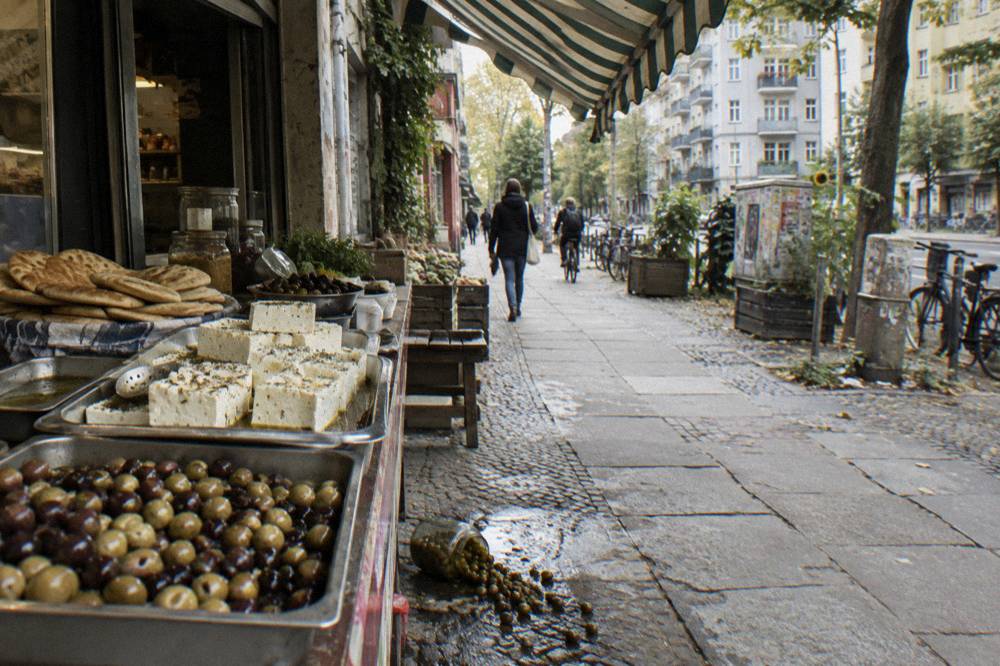
Tea house etiquette is minimal but real. Take a seat, take a glass, and let refills arrive without asking; signal you are finished by laying the spoon across the glass top. Backgammon boards and okey tiles circulate in the longer-established places, and no purchase beyond the tea is expected. Grocers round out the picture: jars of pickles, olives by the scoop, sucuk and cheeses, all sold across counters where German and Turkish mix freely.
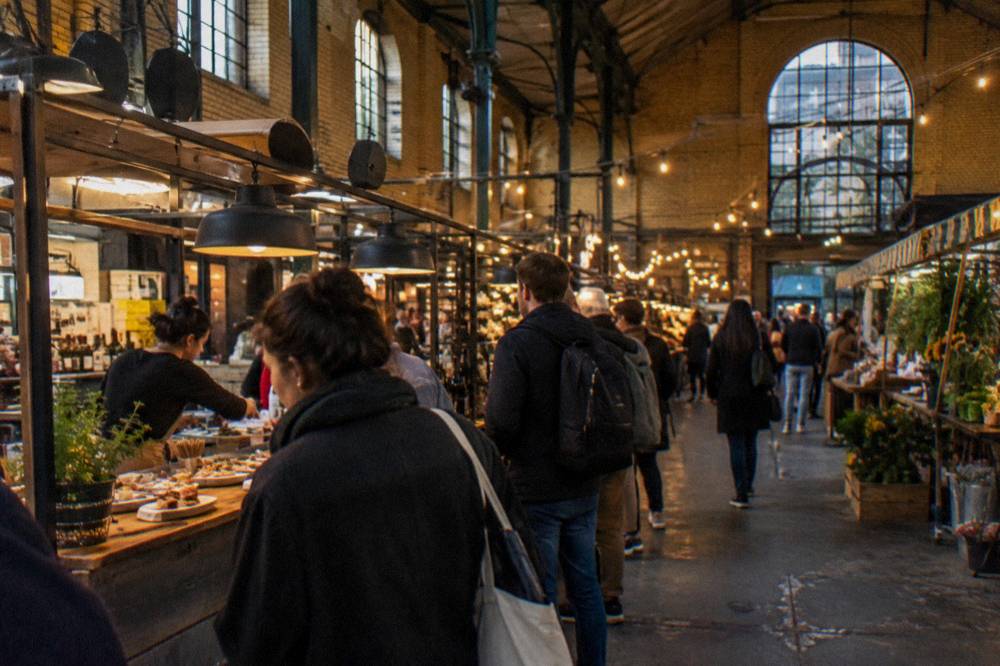
The market route does the same job with more spectacle. On the Maybachufer the stalls run Tuesday and Friday 11:00 to 18:30, with a closure on public holidays. Wednesday morning and Saturday, the Winterfeldtmarkt on Winterfeldtplatz offers a broader weekly market; visitBerlin's Winterfeldtplatz market page carries the official days and hours.
What Do Turkish Food Walks In Berlin Cost?
Guided options that touch the Turkish food scene run from $34 per person for the KERB food hall experience up to $118 for a Kreuzberg and Neukölln tasting walk, with the doner-focused history tour from $51 and the Markthalle Neun guided market tour with craft beer from $97. Every figure below is per person as printed on each tour's booking page, and durations range from about 2.5 to 3 hours.
| Tour | Duration | Price per person | Rating |
|---|---|---|---|
| Berlin Doner Tour and Sightseeing with gourmet kebab stop | ~3 hours | from $51 | 4.9 across 57 reviews |
| Hidden Flavors of Kreuzberg and Neukölln | ~3 hours | from $118 | 9 reviews, too few for a star claim |
| KERB Food Hall street food and drinks | Not stated | from $34 | 12 reviews, too few for a star claim |
| Markthalle Neun, Craft Beer | ~2.5 hours | from $97 | no reviews yet |
| Guided Street Food Tour with Tastings (No Diet Club) | ~3 hours | from $75 | 4.8 across 403 reviews |
Price alone answers little without knowing what is included. The doner tour price covers the guided walk and the gourmet doner stop; the Kreuzberg and Neukölln walk sits at the top of the range. The street food tour at from $75, rated 4.8 across 403 reviews, is the most reviewed of the set and leans toward quantity and pace. Check each booking page for the current inclusions, portion counts and cancellation terms before deciding; operators set and adjust those details, and no fixed promise belongs in a guide.
Budget walkers should know the walk itself is free. The scenes above are public streets and markets, a single AB ticket at 4,00 EUR gets you to Kottbusser Tor, and buying as you go at bakery prices keeps a self-guided afternoon modest. What a paid walk adds is context, portion curation and the confidence to order.
When Are The Turkish Markets Open In Berlin?
The Maybachufer Turkish market runs Tuesday and Friday 11:00 to 18:30, Street Food Thursday at Markthalle Neun runs Thursday 17:00 to 22:00, and Winterfeldtmarkt runs Wednesday morning and Saturday until 16:00, so a well-timed visit can pair a canal-side market morning with an evening inside the market hall on consecutive days. Those three schedules anchor almost every good market day in the Turkish food week, and the rest is planning around them.
| Market | Days and hours | Notes |
|---|---|---|
| Maybachufer, Türkenmarkt | Tuesday and Friday 11:00 to 18:30 | Reported by local market listings; closed public holidays |
| Street Food Thursday, Markthalle Neun | Thursday 17:00 to 22:00 | Listed dates in November 2026 include the 5th, 19th and 26th |
| Winterfeldtmarkt, Winterfeldtplatz | Wednesday morning and Saturday until 16:00 | Official details on visitBerlin |
Two timing traps catch visitors. First, Sundays: Berlin shops close on Sundays as a rule under the city's opening-hours law, and while bakeries and confectioners may open 07:00 to 16:00 and tourist-need shops 13:00 to 20:00, a supermarket run is off the table except at stations. The Senatsverwaltung's opening-hours page sets out the exceptions. Plan market days for Tuesday, Friday or Saturday, not Sunday morning.
Second, Thursday evening overlaps. Street Food Thursday at Markthalle Neun draws crowds from 17:00 onward; the hall's own schedule, on the Markthalle Neun market page, is the source for dates, since not every Thursday is listed. A Thursday evening at the hall and a Friday morning at Maybachufer is the strongest one-two pairing in the Turkish food week.
Should You Book A Turkish Food Walk In Berlin?
Book a walk if you want the history, the portion pacing and the safer ordering handled for you, from about $51 for the doner tour up to about $118 for the Kreuzberg and Neukölln route; walk independently if your budget or schedule is tight, because the streets and markets are free to browse. Both approaches work, and the honest answer depends less on money than on how much context you want attached to the food.
The case for a guide is context. The doner tour rated 4.9 across 57 reviews ties the sandwich to the guest worker story and the sites around it, and the tasting walks compress a day of trial and error into three hours. The case against is thin: this is not a scene with a gatekeeper. The counters sell to everyone, the markets are public, and a visitor with this page and an AB ticket can assemble a fine afternoon alone.
One middle path is the food hall. The KERB food hall experience at from $34 per person, carrying 12 reviews so far, gathers street food vendors under one roof, which suits a cold day or a short stay. Pair it with a self-guided Kottbusser Tor loop and you have the scene from both ends.
Whatever you choose, book the guided options ahead, since guided walks fill on market days.
Common Questions About Turkish Food In Berlin
Where Is Little Istanbul In Berlin?
Little Istanbul is the informal name for the Kreuzberg streets around Kottbusser Tor and the Wrangelkiez, roughly along Oranienstrasse and Adalbertstrasse, with the scene continuing into Neukölln around Hermannplatz and Karl-Marx-Strasse.
What Turkish Dishes Should You Try In Berlin?
Lahmacun, borek, doner kebab, pide, grilled Adana or Urfa skewers, baklava and small glasses of Turkish tea are the core list, all sold at everyday prices around Kottbusser Tor and Hermannplatz.
How Did Doner Kebab Start In Berlin?
The doner kebab as a sandwich is widely credited to Turkish guest workers in Berlin in the early 1970s, with no single inventor claim stated as settled fact. The format spread from West Berlin to become the city's working lunch.
What Do Turkish Food Walks In Berlin Cost?
Walks that cover the Turkish food scene run from $34 per person for the KERB food hall experience to $118 for the Kreuzberg and Neukölln tasting walk, with the doner history tour from $51 per person.
When Is The Turkish Market On The Maybachufer Open?
The Maybachufer Turkish market runs Tuesday and Friday from 11:00 to 18:30, per local market listings, and it closes on public holidays.