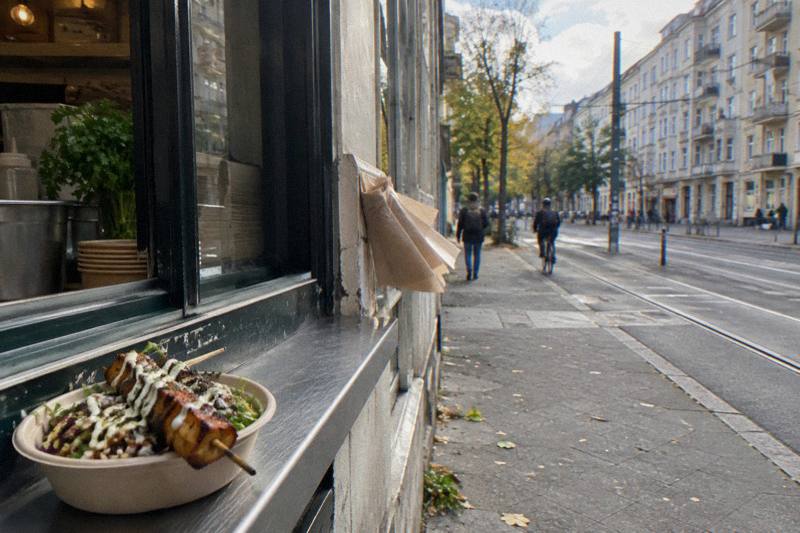
Is Berlin The Vegan Capital Of The World?
Berlin is regularly named the vegan capital of the world, and the claim holds up on the ground: here is why, and which food walk fits a plant-based visit.
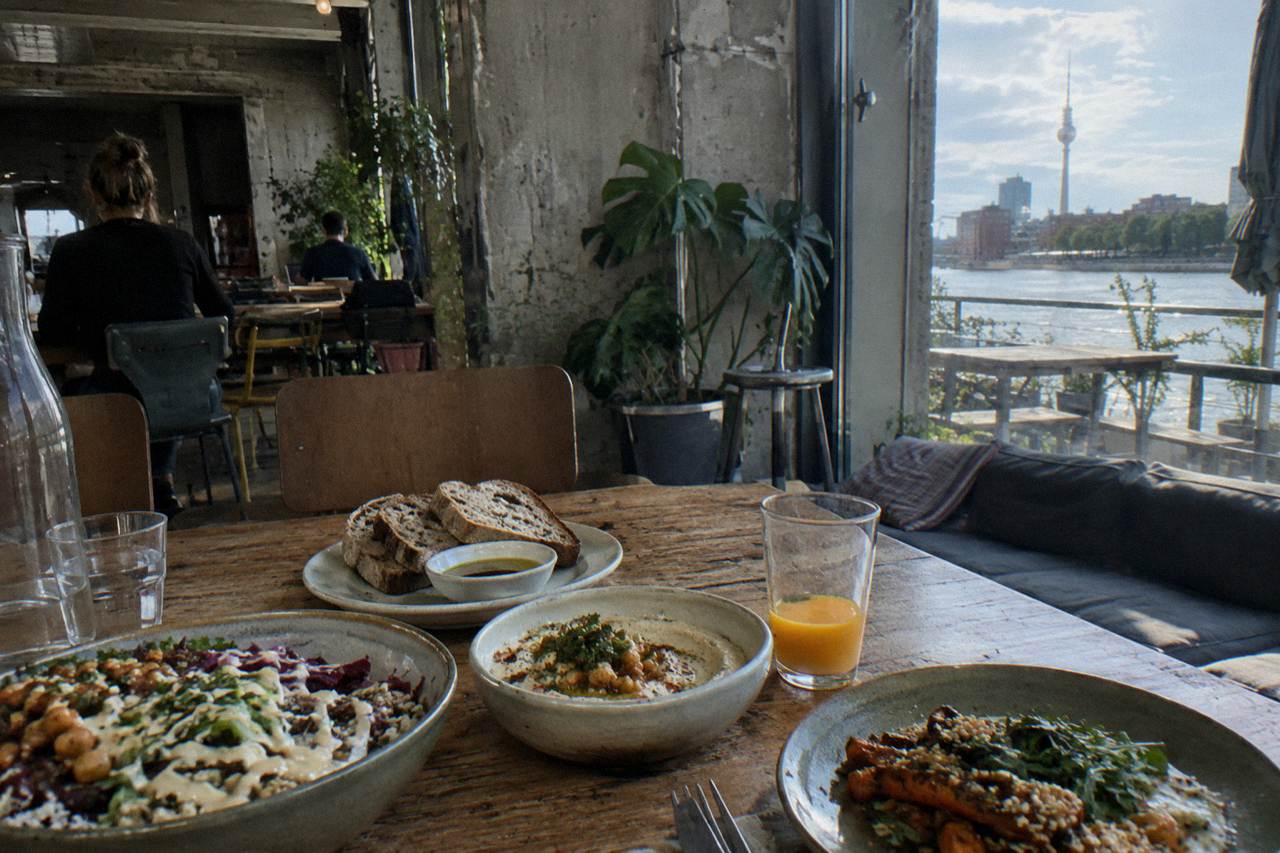
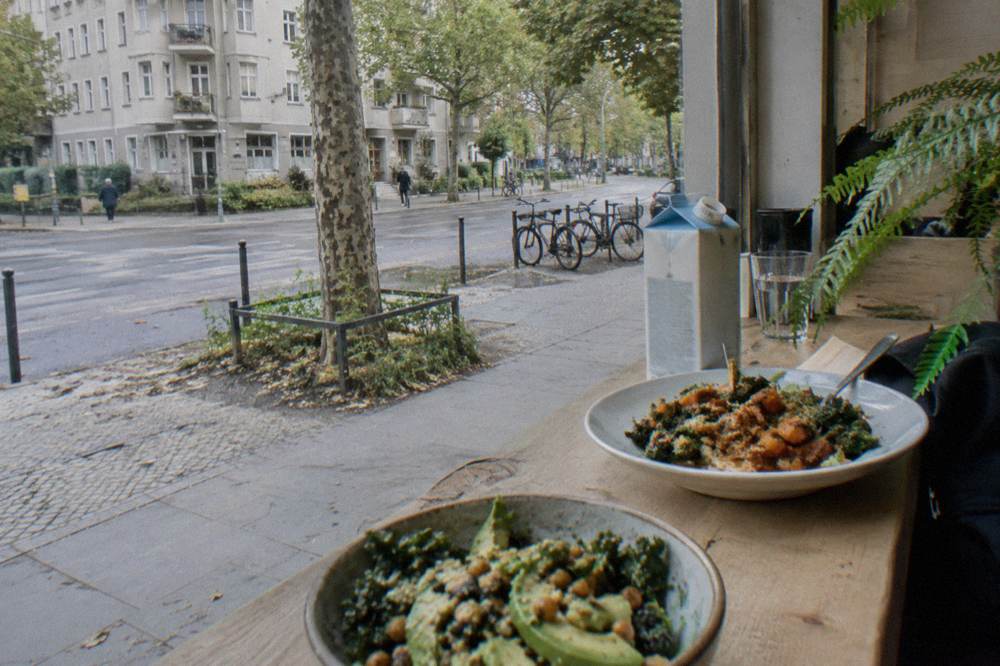
Yes, Berlin is the city most often called the vegan capital of the world, and the label is broadly deserved. No other European capital mixes this many fully plant-based restaurants, vegan-friendly market stalls, mainstream supermarkets with own-brand vegan ranges, and a local culture that treats meat-free eating as normal rather than niche. The title is informal, no body awards it, but Berlin keeps winning the argument.
The claim circulates for good reasons. Berlin's vegan scene grew out of cheap rents and a do-it-yourself food culture in Kreuzberg and Neukölln, and it spread outward from there. What began as a handful of squat-era project kitchens became a city-wide infrastructure: fully vegan restaurants in nearly every district, vegan bakeries, vegan doner stands, and conventional German restaurants that quietly put plant-based versions of schnitzel and currywurst on the menu. The Michelin Guide's 2026 selections for Berlin even include a confirmed Bib Gourmand for Lucky Leek, a fully plant-based restaurant, which says something about how far the cooking has moved beyond substitute-products cooking.
The title is contested, of course. London and Tel Aviv each make their own case, and reasonable people disagree. What tends to tip the argument toward Berlin is density plus ordinariness: plant-based eating here is not confined to a wellness district or a price bracket. A visitor can eat vegan at a Sunday market, at a corner späti's snack shelf, at a fine-dining table, and on a guided walk, all without research skills. That breadth, more than any single restaurant, is what the capital-of-the-world label is really measuring.
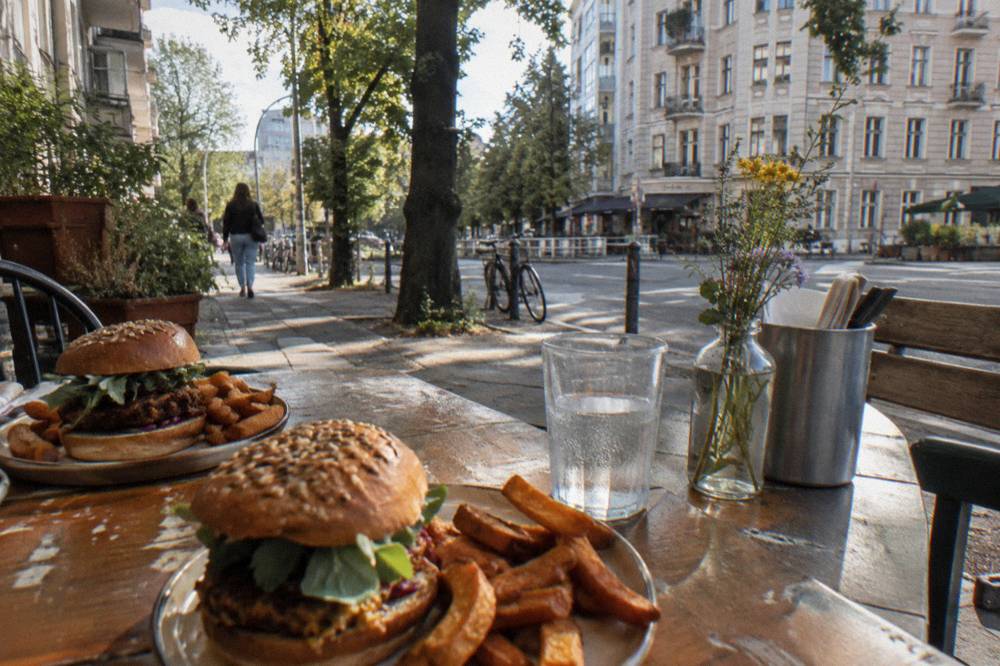
For a visitor who wants the scene decoded rather than discovered by trial and error, a guided walk does in a few hours what would otherwise take a week of guesswork.
Why Does Berlin Have So Many Vegan Restaurants?
Berlin's vegan restaurant count grew from a specific economic and cultural mix: large districts of cheap vacant storefronts after reunification, an activist and punk food culture that already cooked meat-free, and a wave of Syrian, Vietnamese and Israeli cooking traditions that lean plant-heavy. Cheap space let cooks open without investors, and the audience was already there to eat.
The structural story matters more than any list of names. After reunification, whole stretches of Kreuzberg, Friedrichshain and Neukölln sat half-empty, and rents stayed low for two decades. Young cooks who could never have opened in Paris or Zurich signed leases in Berlin. Many came out of political and environmental movements where vegan food was already the default, so the first wave of restaurants were project kitchens run on conviction as much as commerce.
Immigration shaped the second wave. Vietnamese Berlin brought a strong vegetarian and vegan Buddhist cooking tradition, concentrated around the Dong Xuan Center in Lichtenberg and the pho spots of Mitte. Middle Eastern cooking, the backbone of Berlin street food, is naturally easy to eat vegan at many stops: hummus, falafel, bulgur and grilled vegetables appear everywhere. Israeli-style brunch culture added another plant-forward layer. The result is a city where vegan food is not a genre but a background condition, covered in more detail in the vegetarian and vegan Berlin guide.
Mainstreaming came third. When the big German supermarket chains launched cheap own-brand vegan ranges in the 2010s, plant-based eating stopped being an identity and became a shelf. Berliners are among Germany's most flexible eaters, and the city's restaurant culture followed the supermarket lead. A visitor arriving today finds vegan options listed without fanfare on ordinary menus, which is the real marker of a capital of anything.
Which Berlin Neighborhoods Are Best For Vegan Food?
Kreuzberg and Neukölln are the historic core of vegan Berlin, with the densest strip of fully plant-based restaurants around Wrangelkiez, Bergmannkiez and Weserstraße. Prenzlauer Berg adds vegan bakeries and brunch culture, Mitte adds the upscale and internationally styled end, and Friedrichshain holds the punk-heritage kitchens that started much of it.
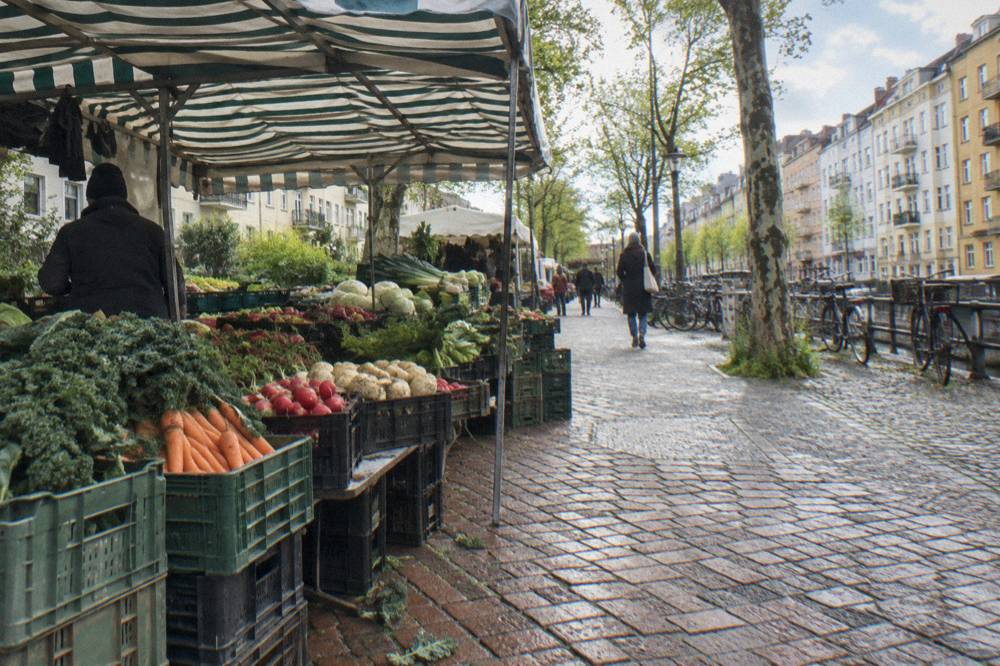
Kreuzberg is the default answer and still the strongest one. The district's Turkish markets, project kitchens and cheap storefronts produced the first generation of vegan doner, vegan currywurst and all-plant cafes in Germany. The Kreuzberg food walk guide covers how the Turkish market at Maybachufer feeds into this: the Tuesday and Friday market runs 11:00 to 18:30 per local reporting, and its vegetable and legume stalls underpin a lot of plant-based home and restaurant cooking in the district.
Neukölln, directly south, took the crown for density in the last decade. Weserstraße and its side streets pack vegan spots within a two-minute walk of each other, and the rents that once made this possible are only now catching up with the scene, as closures of long-standing cafes to rising rents in Friedrichshain and Neukölln in late 2026 show. Prenzlauer Berg skews family-brunch: its Kollwitzkiez is the natural habitat of the vegan pancake stack, and the Prenzlauer Berg food walk guide maps the bakeries.
Can You Do A Guided Food Walk As A Vegan In Berlin?
Yes, and one walk is built for it. The Vegan Food Tour with 4+ Tastings in Mitte runs about 2.5 hours from $98 per person and is the only explicitly plant-based tour covered here, rated 4.8 across 31 reviews. On other food walks, dietary needs are arranged with the operator before booking, as each booking page describes, rather than assumed.
That distinction matters and is worth being precise about. A general neighborhood tour's stops are set by the operator, and the booking pages describe dietary arrangements as something to raise in advance; a vegan swap on a classic German tastings walk is not a promise anyone should make on the operator's behalf. The vegan walk removes that friction entirely, because the route is plant-based by design rather than by negotiation.
A comparison of the walks a vegan or flexitarian visitor most often weighs:
| Walk | Length | Price basis | Reviews | Vegan fit |
|---|---|---|---|---|
| Vegan Food Tour with 4+ Tastings (Mitte) | ~2.5 hours | from $98 per person | 4.8 across 31 reviews | Built plant-based |
| Mitte District Food Tour, 7 Local Tastings | ~3 hours | from $90.01 per person | 4.9 across 1,583 reviews | Arrange dietary needs with operator before booking |
| Classic Bites and Culinary Trends, Neighborhood Tour | ~3 hours 30 minutes | from $195.17 per person | 4.9 across 194 reviews | Arrange dietary needs with operator before booking |
| No Diet Club Street Food Walk | ~3 hours | from $75 per person | 4.8 across 403 reviews | Arrange dietary needs with operator before booking |
The price gaps reflect format more than quality. The street food walk at from $75 is the budget entry and leans on market and stall stops where vegetable-based options are common but not guaranteed. The Classic Bites tour at from $195.17 is the longest and most sit-down of the three, which is why its dietary flexibility depends most on advance notice. Whichever way a reader leans, the booking page is the place to state the diet, and the operators ask for exactly that.
Is It Hard To Eat Vegan At Berlin Street Food Markets?
No, it is one of the easiest vegan environments in Europe. Markthalle Neun's Street Food Thursday, held every Thursday from 17:00 to 22:00, often includes plant-based stalls, the Turkish market at Maybachufer is largely produce, legumes, breads and pickles, and weekly markets citywide carry bread, pickles, olives and falafel-adjacent stops that need no negotiation.
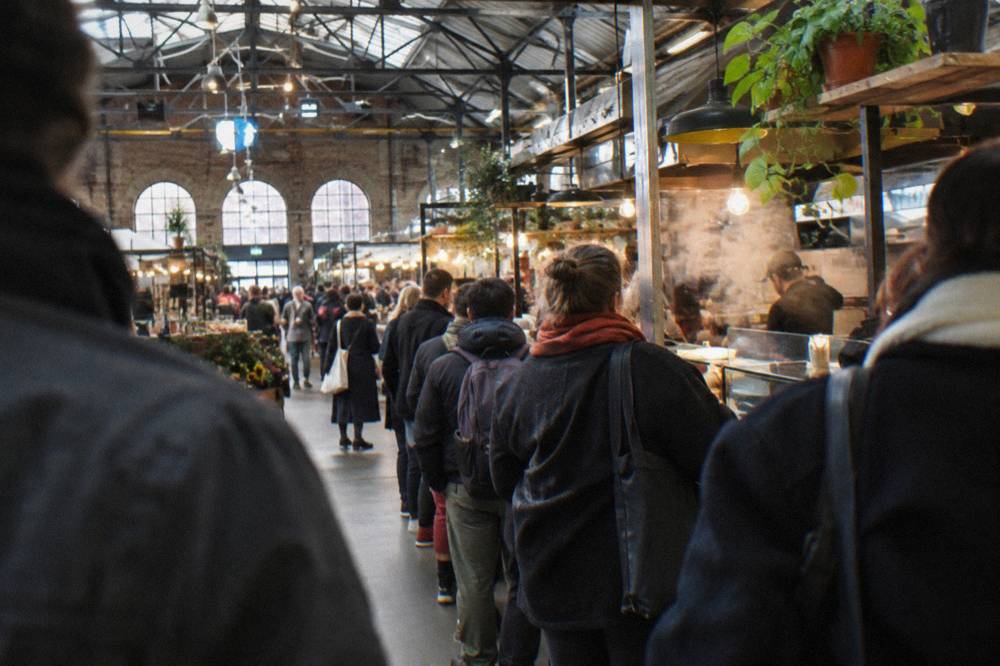
Street food is where Berlin's vegan claim is most visible to a casual visitor. The hall in Kreuzberg that hosts Street Food Thursday has run the format since 2013, and the operator's page lists the November 2026 dates on the 5th, 19th and 26th; not every vendor appears every week, so plant-based coverage varies, but the market's own Street Food Thursday schedule is the source for which Thursday dates are running. Arriving early in the 17:00 window is the usual advice for the shortest queues, though queues vary with weather and season.
The Turkish market at Maybachufer works differently: it is a grocery market, not an event, so the vegan eating is shopping and snacking rather than plated meals. The Markthalle Neun guide and the Maybachufer market guide cover both in detail, including what to expect from stall formats.
One planning note that catches visitors out: Sunday. Berlin shops close on Sundays and public holidays in principle under the city's trading law, with exceptions for bakery and confectionery goods until 16:00 and tourist-need shops from 13:00 to 20:00, per the Senatsverwaltung's opening-hours page. Supermarkets stay shut except at stations, so a Sunday vegan feast is a restaurant or market-hall affair, not a shopping one. Getting between neighborhoods is cheap either way: a single BVG AB ticket costs 4,00 EUR and is valid for 120 minutes per the BVG fare table.
What Vegan German Dishes Should You Try In Berlin?
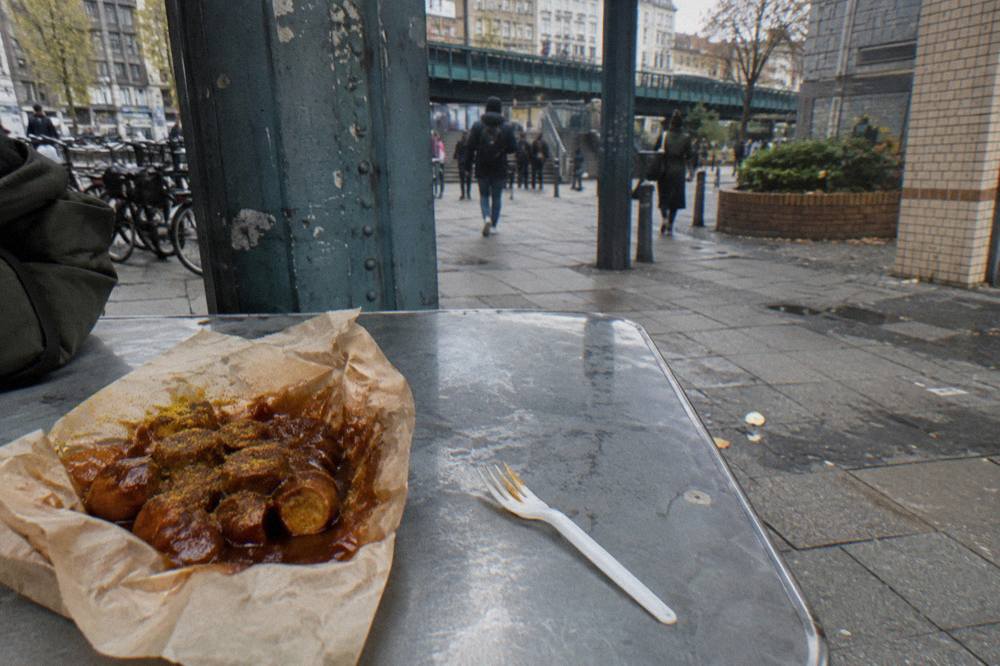
Start with plant-based versions of the Berlin classics: vegan currywurst with the same sweet-spiced sauce, vegan doner built on seitan or jackfruit, potato salad and pretzels, kale dishes in winter, and the fully plant-based takes on Königsberger Klopse and schnitzel that newer German kitchens serve. German food is easier to veganize than its reputation suggests, and Berlin does the converting.
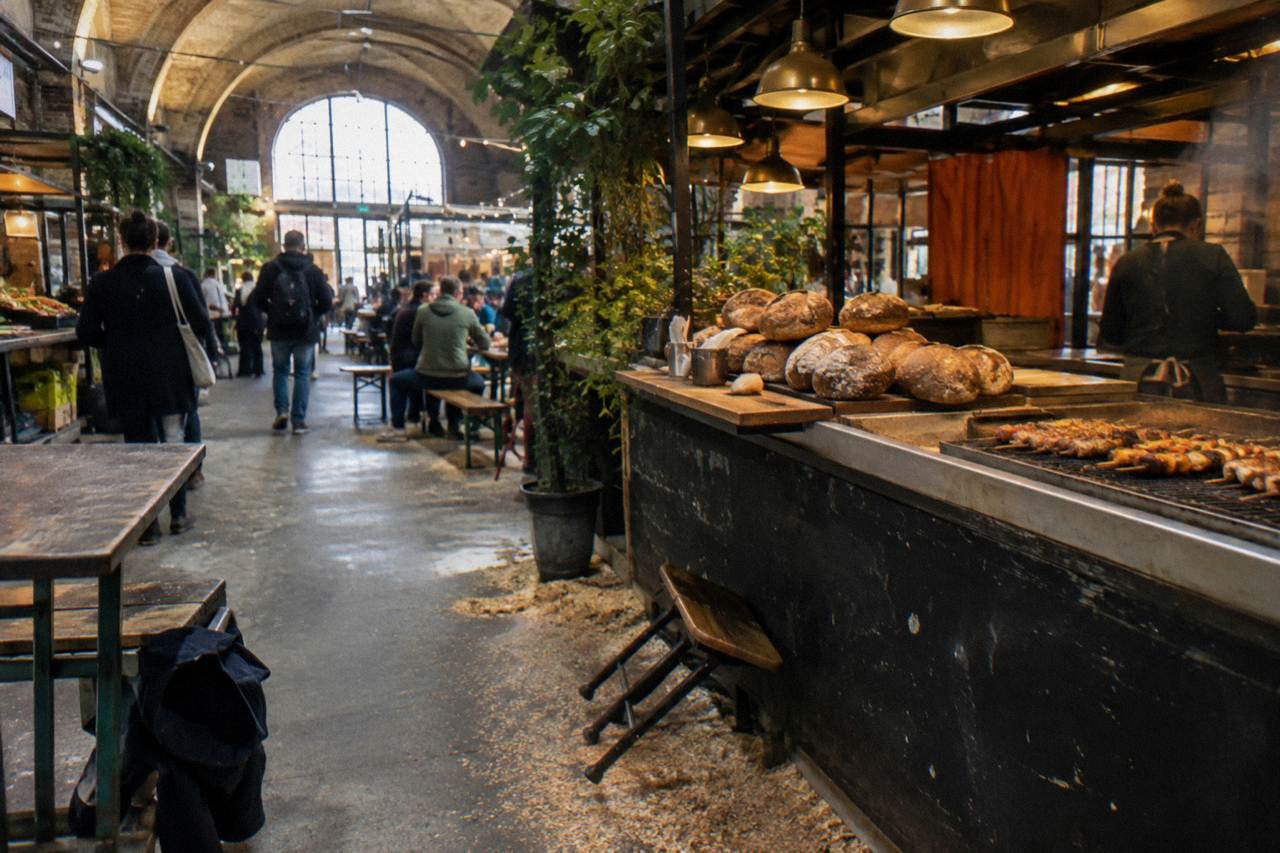
The sausage-and-schnitzel stereotype undersells how much of German cooking is accidentally or easily plant-based. Potatoes, cabbage, bread, dumplings and mushrooms carry half the traditional repertoire. Berlin's vegan kitchens have worked on the other half for twenty years, and the results now range from paper-cone vegan currywurst that mirrors the original to fine-dining interpretations of regional plates. The Berlin street food guide and the traditional dishes overview sort the classics worth ordering from the tourist traps worth skipping.
Seasonality changes the answer. Grünkohl, kale, hits its German harvest peak from October to March, and December is its highlight month, so a winter visitor finds kale stew with vegan sausage on menus across the north of the city. Summer shifts the scene toward beer gardens and market halls, where grilled vegetables, bread and dips do the work. A reader planning around seasons can check the best time to visit guide for how the calendar maps onto the food city.
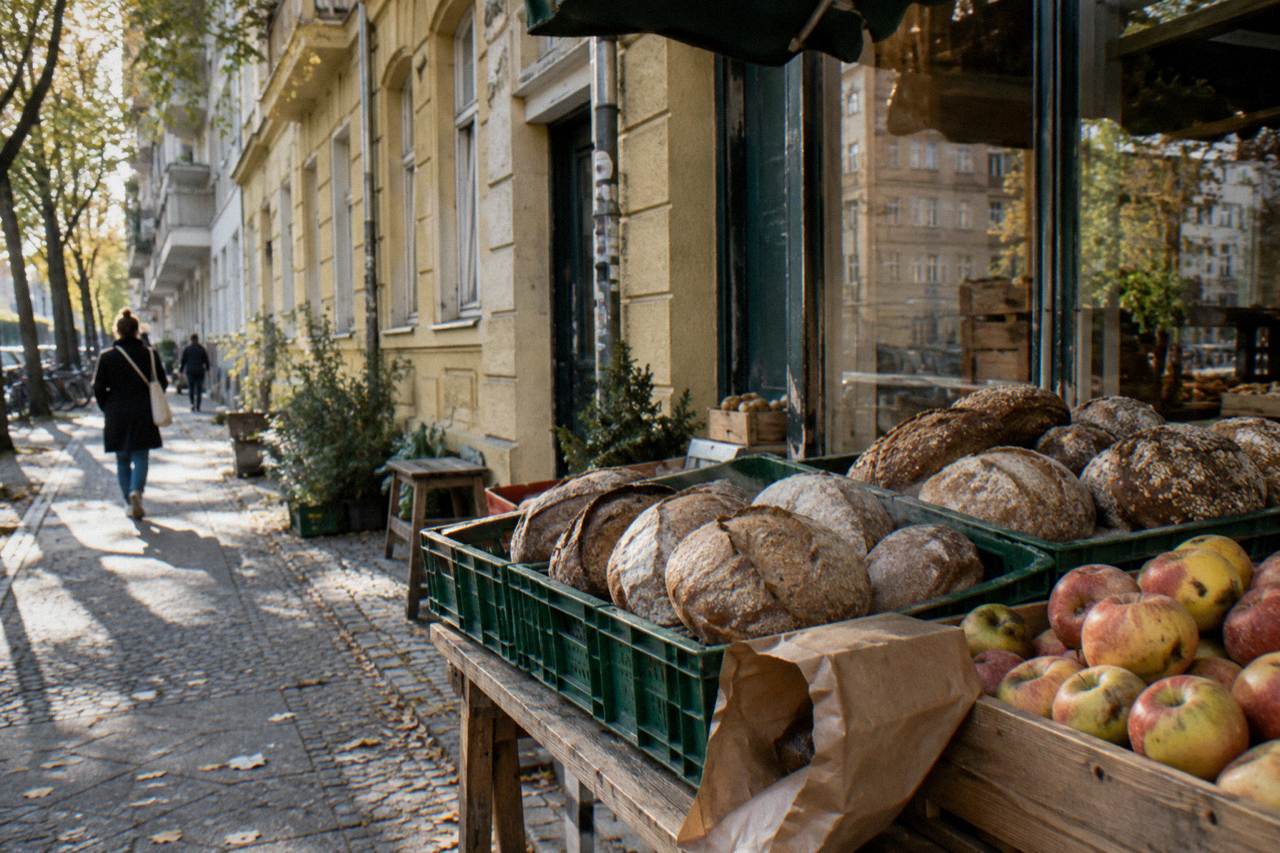
Do Non-Vegan Food Tours In Berlin Accommodate Plant-Based Eaters?
Sometimes, and only by arrangement. The general food walks in Mitte, Kreuzberg and Prenzlauer Berg describe dietary accommodations as something to request through the booking page before the day, not a built-in feature, and no operator here promises an automatic vegan swap. Travelers who want certainty book the explicitly vegan walk; travelers who want a classic tour should ask first and book second.
This is the honest version of the advice, and it is worth repeating because tour marketing elsewhere blurs it. A tasting route built around currywurst, boulette and cheese stops can bend toward a vegetarian, but a fully plant-based substitution at seven set stops is an operational change an operator makes case by case. The booking pages say to raise dietary needs in advance, and that is the whole instruction: state the diet, wait for the answer, then book.
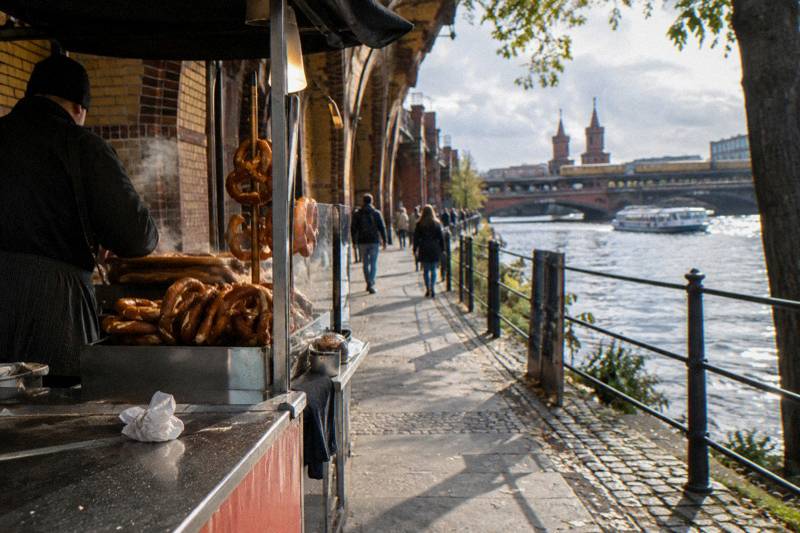
The Mitte District Food Tour with 7 Authentic Local Tastings is the most reviewed walk of this kind covered here, rated 4.9 across 1,583 reviews at from $90.01 per person for about 3 hours, and its booking page carries the same dietary-request language. For readers weighing it against a self-guided day, the what a food walk costs guide breaks down what the price of a guided walk typically buys compared with eating the same neighborhoods alone.
So Which City Actually Deserves The Title?
On density of fully vegan restaurants per capita, breadth across price levels, and how ordinary plant-based eating is, Berlin's claim is the strongest in Europe and competitive worldwide. Rivals make their own cases, but Berlin combines scale, cheap entry points and everyday normality in a way no rival quite matches.
Titles like this are unfalsifiable by design, and honest writing should say so. There is no official count, restaurant databases disagree with each other, and the vegan scene in every candidate city mutates faster than any survey tracks. What can be said firmly is what a visitor finds: in Berlin, a plant-based eater needs no strategy. Every district has options, every price band has options, the street food infrastructure bends that way, and even the guidebook-classic experiences, from currywurst to Christmas market snacks, exist in vegan form.
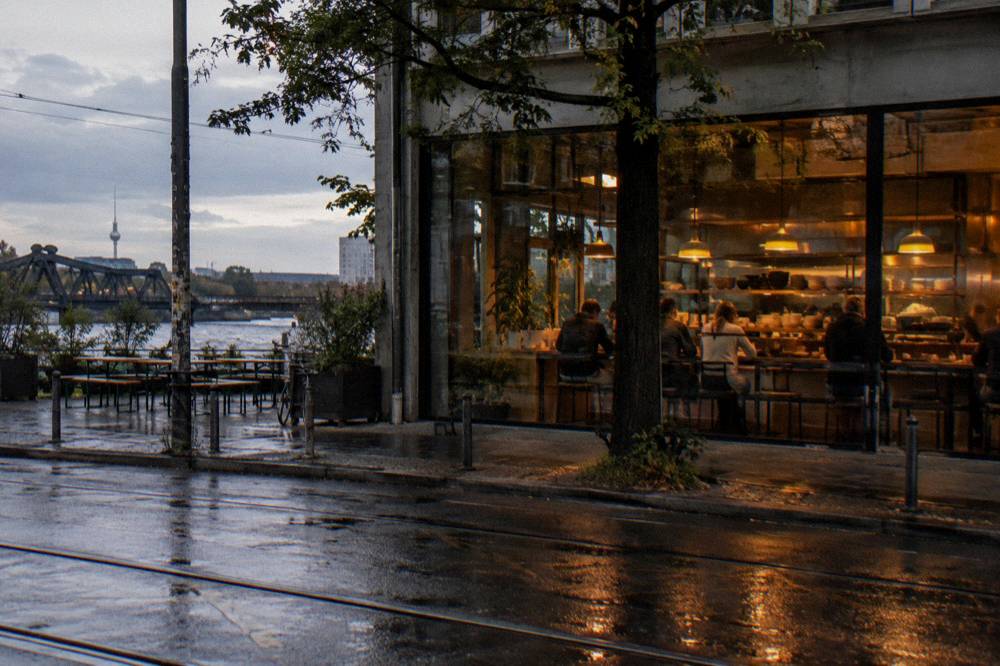
For a first visit with a plant-based diet, the practical shortlist is simple. Spend a day in Kreuzberg and Neukölln around the market days, book the vegan walk in Mitte to get the scene explained rather than merely sampled, and treat the classic German food walks as an option only after the operator confirms the diet can be handled. Readers deciding between districts can start with the where to stay for food lovers guide.
Common Questions About Vegan Berlin
Is Berlin The Vegan Capital Of The World?
Berlin is the city most regularly given that title, and its mix of density, price range and everyday normality supports it. No other European capital makes plant-based eating this ordinary across markets, neighborhoods and price levels.
Can You Take A Vegan Food Tour In Berlin?
Yes. The Vegan Food Tour with 4+ Tastings in Mitte runs about 2.5 hours, costs from $98 per person, and is rated 4.8 across 31 reviews. It is the only explicitly plant-based walk covered here; on all other tours, dietary needs are arranged with the operator before booking.
Where Is The Best Area For Vegan Food In Berlin?
Kreuzberg and Neukölln have the densest concentration of fully plant-based restaurants, particularly around Wrangelkiez and Weserstraße. Prenzlauer Berg is strongest for vegan bakeries and brunch, and Mitte carries the upscale and internationally styled end of the scene.
Is German Food Vegan Friendly?
More than its reputation suggests. Potatoes, cabbage, breads, dumplings and mushrooms carry much of the traditional repertoire, and Berlin's kitchens have spent two decades perfecting plant-based versions of currywurst, doner, schnitzel and kale stew. Winter visitors find Grünkohl at its harvest peak from October to March.
Can Vegans Eat At Berlin Street Food Markets?
Usually yes. Street Food Thursday at Markthalle Neun often includes plant-based stalls among its vendors, and the Turkish market at Maybachufer is largely produce, legumes, breads and pickles. Coverage varies by week, so treat market vegan options as common but not guaranteed.